
Why Condensation and Mould Are So Common in Harrogate Homes — Causes, Risks and Practical Fixes

Cold outside air, warm moist indoor air and limited ventilation create perfect conditions for condensation and mould in Harrogate homes, especially in older or well-sealed properties. If your home traps moisture from cooking, bathing or drying clothes and that moisture meets cold surfaces like single‑glazed windows, external walls or poorly insulated lofts, you’ll see damp and mould form quickly.
You’ll explore how typical local factors — cooler temperatures, traditional building fabrics, energy‑saving measures that reduce airflow, and everyday household habits — combine to make the problem common, how to spot the early signs, and practical steps you can take to stop it spreading.
Understanding Condensation and Mould in Harrogate Homes
You will see condensation where warm, moist air meets cold surfaces, and mould where moisture stays long enough for spores to grow. These issues link to how you heat, ventilate and insulate your home, plus Harrogate’s cool, humid climate.
The Science Behind Condensation
Condensation forms when humid indoor air cools below its dew point on surfaces such as single-glazed windows, external walls, or cold bathroom tiles. Everyday activities—cooking, showering, drying clothes indoors—generate litres of water vapour each day; without adequate extraction or ventilation, that vapour raises indoor relative humidity.
You should monitor relative humidity; values above about 60% increase the risk of visible condensation and mould. Cold bridging (thermal bridges) makes local surfaces colder than surrounding areas, so condensation concentrates in corners, behind wardrobes and on poorly insulated walls.
Simple controls help: extract fans in kitchens and bathrooms, trickle vents on windows, using lids when boiling, and limiting indoor clothes drying reduce moisture production and lower condensation risk.
Common Types of Mould Found in Harrogate Properties
In Harrogate homes you most often encounter surface moulds such as Cladosporium, Penicillium and Aspergillus, plus Stachybotrys in very damp, cellulose-rich areas. These genera show as black, green, grey or powdery patches on paintwork, grout, plasterboard and behind furniture.
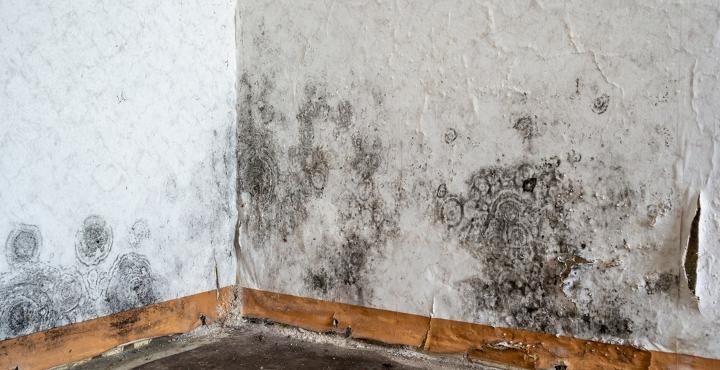
Black spot on bathroom grout or in corners usually indicates condensation-related mould rather than structural rising damp. Mould on wallpaper backings or behind wardrobes often means poor air circulation and persistent surface dampness. In older or poorly ventilated properties you may also find mould growth within loft insulation or in cold, unused rooms.
If you spot widespread or recurring mould, treat visible areas with an appropriate fungicidal wash and address the moisture source; persistent or extensive infestations may need professional assessment.
Harrogate's Local Climate and Its Effects
Harrogate sits in North Yorkshire with relatively cool temperatures and frequent rainfall, especially in autumn and winter. Average temperatures often fall below 10°C for much of the year, so indoor–outdoor temperature differences create prime conditions for condensation on cold surfaces.
High outdoor humidity and prevailing westerly winds mean homes gain moisture from the external environment as well as from occupants. Older stone or solid-walled terraces typical in Harrogate hold cold and lose heat, increasing thermal bridging and surface condensation risk.
Your choice of heating regime matters: intermittent heating that leaves rooms cold overnight encourages condensation each morning. Consistent, moderate heating combined with ventilation and insulation reduces the number of days when surfaces drop below the dew point.
Recognising Signs and Symptoms in the Home
Look for early warning signs: damp patches on walls or ceilings, dark spotting around window frames, musty smells in cupboards and wardrobes, and paint or wallpaper blistering. Check behind wardrobes and furniture placed against external walls; poor air circulation hides mould until it becomes extensive.
Monitor human symptoms too—persistent sneezing, throat irritation or worsening asthma can link to mould exposure in sensitive individuals. Inspect often-used moisture sources: bathrooms, kitchens, utility rooms and areas where you dry clothes indoors.
Use a simple humidity monitor in bedrooms and living rooms; readings consistently above 60% signal the need to improve ventilation or reduce moisture production.
Key Factors Contributing to Condensation and Mould Issues
Condensation and mould in Harrogate homes most often arise from a mix of poor airflow, cold building fabric, daily moisture production and damp winters. You will usually find problems in rooms with limited ventilation, older walls that stay cold, and during months when heating is low but humidity stays high.
Insulation and Ventilation Challenges
Poorly insulated walls and single-glazed windows let surfaces stay cold, so warm moist air in your home hits those surfaces and deposits water. If loft insulation is patchy or cavity walls are unfilled, the temperature difference between inside air and internal surfaces increases the risk of condensation.
Ventilation plays a critical role. Kitchens and bathrooms produce the most moisture; without extractor fans, trickle vents or regular window opening, humid air accumulates. You should use mechanical extractors where fitted, keep internal doors closed when cooking or showering, and consider controlled ventilation if windows remain closed for security or noise reasons.
Building Age and Property Construction Methods
Many Harrogate properties are Victorian or interwar, built with solid stone or brick walls that absorb and hold moisture. Those materials lack a modern cavity and are slower to warm up; internal plaster can remain cold enough for condensation to form on surfaces.
Later post-war homes may have inadequate or deteriorated insulation and older heating systems that do not maintain stable internal temperatures. Converted basements, roof spaces or poorly executed retrofit insulation can also create cold bridges where moisture condenses. If your property has a history of previous damp repairs, check that appropriate breathable materials and damp-proofing were used.
Lifestyle Habits Impacting Moisture Levels
Daily activities generate the bulk of indoor moisture: boiling kettles, drying clothes indoors, long hot showers and multiple occupants produce significant humidity. You can measure the difference: a single shower can raise room humidity by 30–50%, and indoor clothes drying can add litres of water to the air each day.
Simple changes reduce risk. Use lids when cooking, vent tumble dryers outside, open windows briefly after high-moisture activities and run extractors during and after showers. Keep bedroom doors closed at night if you dry clothes there, and avoid overheating a single room while leaving others cold, which promotes surface condensation.
Seasonal Weather Patterns in Harrogate
Harrogate’s winters are cool, damp and often cloudy, producing higher external humidity and persistent cold surfaces inside houses. During autumn and winter you are more likely to keep windows closed and reduce ventilation, while central heating may run intermittently, creating cycles of warm moist air followed by cooling.
Spring and autumn can also be problem months because external temperatures hover near dew point, so internal surfaces fluctuate between warm and cool. You should monitor indoor relative humidity (aim for 40–60%) and adjust ventilation and heating schedules seasonally to reduce persistent damp patches and mould growth.
Frequently Asked Questions
This section explains what triggers condensation and how mould forms, how to spot problems, and the practical steps you can take to prevent recurrence. It covers causes tied to moisture sources, ventilation, property design and simple remedial actions.
What causes condensation to form inside homes?
Condensation forms when warm, moist air meets a cold surface and releases water vapour as droplets. Common indoor sources include cooking, showering, drying clothes, and the breath of occupants.
Poor ventilation traps humid air, raising indoor relative humidity. Cold surfaces from single glazing, poorly insulated walls or unheated rooms make condensation more likely.
How does mould develop in residential properties?
Mould spores are ubiquitous and grow when they land on damp, organic surfaces such as plaster, wallpaper, wood and soft furnishings. They need sustained moisture — either from persistent condensation, leaks or rising damp — to colonise and produce visible growth.
Warmth speeds mould growth, so bathrooms, kitchens, and bedrooms with poor airflow are typical hotspots. Once established, mould thrives in microclimates like behind wardrobes or under carpets.
What are the common signs of a mould problem in a house?
You will often see black, grey or green patches on walls, ceilings, skirting boards, curtains or inside wardrobes. Musty or earthy smells, even without visible growth, indicate hidden mould.
Peeling paint, bubbling wallpaper and stained window sills point to repeated moisture. Respiratory symptoms or increased allergy reactions among occupants can also signal a mould issue.
Which methods are most effective for preventing condensation and mould?
Control moisture at source: use lids when cooking, run an extractor fan when showering, and avoid drying clothes indoors where possible. Reduce indoor humidity by ventilating properly — open windows briefly, use trickle vents and run mechanical extract fans for high-humidity activities.
Keep indoor temperatures steady so surfaces don’t stay cold. Wipe visible condensation from windows and sills daily and move furniture slightly away from exterior walls to improve air circulation.
Why are some homes more prone to damp issues than others?
Homes with poor ventilation, single glazing, or cold bridges in the building fabric trap moisture and encourage condensation. Older buildings with solid walls, inadequate heating or missing damp-proof courses are more vulnerable.
High-occupancy households or properties where wet activities are frequent will produce more moisture. Structural problems such as roof leaks, blocked gutters or rising damp also increase risk.
Can insulation improvements help reduce condensation and mould?
Yes. Insulation that raises internal surface temperatures reduces the likelihood of condensation forming on walls and windows. Upgrading loft insulation, installing cavity wall insulation where appropriate, and replacing single glazing with double glazing will all help.
Insulation should be paired with adequate ventilation to avoid trapping moisture within the building fabric. Incorrect or poorly installed insulation can worsen damp if it stops walls from drying out.
