
Lower Humidity Home: Practical Strategies to Reduce Moisture and Improve Indoor Air Quality

Mould and damp can show up even in brand-new homes, often because of lingering moisture from construction, poor ventilation or unfinished drying of building materials. If you spot condensation, musty smells or dark patches on walls or skirting, act quickly to identify the source and stop further damage.
This guide explains what signs to check for, who to contact for help, and the practical and legal steps you can take if defects in construction are to blame. Stay informed so you can protect your health, your property and your rights.
What can cause mould in a new build?
1. Wet materials and trapped water from building work
Freshly built homes often contain damp building materials and wet finishes. Timber, plasterboard and concrete can retain water from rain, wet trades or curing processes; if that moisture gets sealed in behind finishes or fittings it provides food and water for mould to start.
- Check newly installed timber and plaster for dark patches or a damp smell.
- Allow thorough drying before decorating or fitting wardrobes and cupboards.
2. Limited fresh air and stagnant circulation
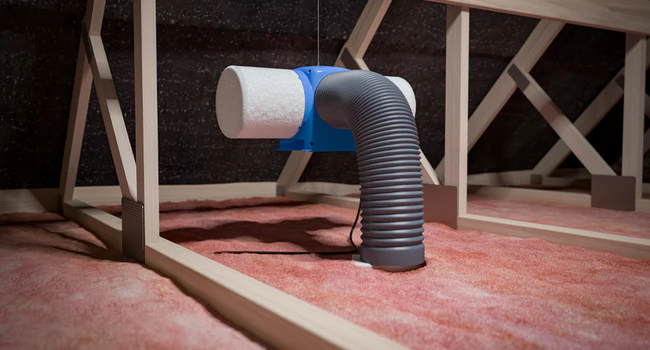
Modern, airtight construction reduces heat loss but also restricts natural airflow. Without regular ventilation, rooms such as bathrooms, kitchens and lofts can accumulate moisture-laden air, which then condenses on cooler surfaces and encourages mould growth.
- Use intermittent extract fans and open windows briefly twice daily where safe.
- Consider trickle vents or mechanical ventilation where condensation recurs.
3. Defects in the fabric or services
Leaks, poorly fitted windows, missing roof flashing, blocked gutters or faulty pipework let water into places it shouldn’t. Even small, persistent leaks behind units or inside walls can create local damp pockets that quickly become mould prone.
- Inspect for staining, peeling paint or musty smells near junctions and pipes.
- Promptly repair defects and dry affected areas thoroughly.
4. Excess humidity and cold surfaces from poor thermal performance
High indoor humidity combined with cold spots on walls, floors or window reveals causes surface condensation. Inadequate insulation or thermal bridges create these cold areas where moisture settles, making them ideal for mould.
- Keep consistent background heating and address cold bridges.
- Use dehumidifiers or improve insulation where condensation keeps appearing.
Signs to watch for
Look for small clues before mould becomes obvious. A persistent, musty smell in a room often appears before any visible growth; follow your nose to wardrobes, under sinks and behind furniture. Condensation that regularly forms on windows, pipes or walls — especially in bathrooms and kitchens with poor airflow — signals excess moisture that can feed mould.
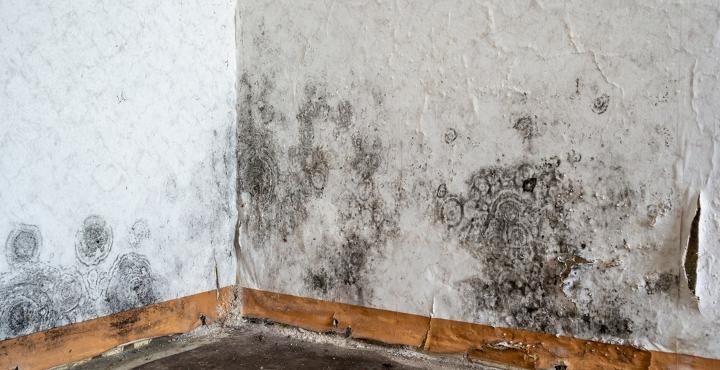
Check walls and ceilings for discoloured patches or dark spots, and watch paint for bubbling, flaking or peeling; these often point to trapped damp. Tide marks or water stains (faded rings or streaks) usually indicate previous leaks that may have encouraged mould behind surfaces. Pay attention to corners, behind curtains and around window frames where airflow is limited.
Notice how you and others feel at home. New or worsening respiratory symptoms, persistent coughing, sneezing, itchy eyes or skin irritation that ease when you leave the property can suggest an indoor damp or mould issue. Remember that mould comes in different textures and colours; it may appear as fuzzy patches, slimy areas or flat staining, so don’t assume it must look a certain way.
Use simple checks: wipe a suspected spot with a damp cloth (wear gloves); if staining returns quickly, the problem may be active. If you want more certainty, arrange a free property survey or ask a professional to take humidity readings and surface temperature checks to identify hidden damp.
Contact the builder
Tell your builder about any mould or damp as soon as you notice it. Check your warranty or snagging period first so you know whether the issue falls within the builder’s responsibility and note any time limits for reporting defects.
Record the problem clearly: date discovered, location, photos, and any steps you’ve already taken (ventilating, drying, or cleaning). Keep copies of emails, messages and inspection reports; written evidence strengthens your case if repairs are needed.
Ask the builder to inspect promptly and provide a written scope of work and timetable for repairs. If moisture stems from construction, ventilation faults, or a structural defect, the builder will often be obliged under warranty to make good. Request confirmation in writing of what they will fix and when.
If the builder proposes a contractor, ask for their qualifications and references. Consider requesting a moisture or condensation specialist if the cause is unclear. If the builder is slow to respond, escalate via the developer’s customer relations team or the warranty provider and continue to document all contact.
Know your legal rights
You have legal protections that can require the developer to fix mould and related defects. Start by checking your contract and any warranties for coverage of structural faults, damp or ventilation failures. Note important time limits for raising concerns under those guarantees.
Record everything: keep written communications, dates, and photos of affected areas and remedial work. A clear paper trail strengthens your position if you need to escalate or claim compensation. Consider a simple timeline or table to log events, contacts and evidence.
If the developer ignores you, get an independent surveyor or damp specialist to produce a dated report. Expert findings carry more weight than informal complaints. If the problem persists, consult a solicitor experienced in construction or housing law to review your options and potential remedies.
You can also check consumer-protection rules and local housing standards to see which duties the builder must meet. Acting promptly, collecting evidence and seeking specialist advice increases the chances of a successful resolution.
Hire a damp surveyor
If mould or damp keeps returning, enlist a qualified damp surveyor to identify the root cause and recommend practical fixes. A surveyor will inspect your property, use specialist tools like hygrometers, damp meters and surface-temperature gauges, and produce an independent written report detailing findings and suggested actions.
Use the report to discuss remedial work with your builder or to support warranty or insurance claims. Choose a surveyor with building‑pathology experience and clear pricing; ask about sampling, how long the inspection takes, and whether follow‑up checks are included.
What to expect:
- A room‑by‑room visual assessment and targeted moisture testing
- A formal report with photos, measurements and recommended repairs
- Practical advice on ventilation, heating and remedial damp‑proofing options
Remove mould safely
Before cleaning, air the room and open windows to reduce spores. Wear gloves, eye protection and an appropriate mask. Use a household mould remover on hard surfaces and wipe with a disposable or washable cloth; avoid scrubbing porous materials, which often need replacing.
Follow a simple checklist:
- ventilate the space fully
- contain the area to stop spread
- apply cleaner and allow dwell time
- remove visible residue and dry thoroughly
Cleaning treats symptoms only. Arrange a professional inspection if mould keeps returning so you can fix ventilation, thermal bridging or external water ingress.
How to prevent mould in new builds
Keep rooms aired and dry to stop mould before it starts. Open windows daily, especially in kitchens and bathrooms, or run extractor fans during and after cooking and showering to remove moist air.
Aim to maintain indoor humidity below about 60% — use a hygrometer to check levels and a dehumidifier where necessary. Stable heating also reduces condensation; programme your central heating to avoid cold periods that encourage damp.
Inspect plumbing, rooflines and gutters regularly for leaks or blockages. Fix drips, overflowing gutters or poor drainage promptly to prevent water ingress behind walls and under floors.
Use mould-resistant finishes in high‑risk areas if possible, and avoid blocking airbricks, vents or trickle vents in windows. Keep furniture slightly away from external walls to allow air to circulate and dry any damp patches quickly.
Simple checklist (tick as you go):
- Open windows or use extractors when humid.
- Monitor humidity with a meter.
- Run a dehumidifier if needed.
- Maintain steady heating.
- Check and repair plumbing/gutters.
- Keep vents clear and use mould‑resistant materials.
Frequently Asked Questions
How can you effectively reduce damp inside your home?
- Tackle sources: fix leaking pipes, roof faults, or rising damp promptly.
- Keep heating consistent to avoid cold surfaces where moisture condenses.
- Use extractors or open windows briefly when cooking, showering or drying clothes indoors.
- Ensure ground-level ventilation (air bricks, underfloor vents) and clear blocked drains.
- Consider professional investigation for persistent or structural damp.
Will houseplants lower indoor moisture levels?
Houseplants transpire water and can raise local humidity, especially in groups.
They do not reliably reduce whole‑house moisture and are not a substitute for ventilation or dehumidification.
Use plants for aesthetics or minor local air improvement, but rely on mechanical or passive measures to control humidity.
In what ways does ventilation affect humidity in living spaces?
Good ventilation removes moist air and replaces it with drier external air, lowering relative humidity.
Balanced systems (mechanical ventilation with heat recovery) control humidity while conserving heat.
Poor or intermittent ventilation traps moisture and increases risk of condensation and mould.
How useful are dehumidifiers for controlling indoor humidity?
Dehumidifiers extract excess moisture and can quickly reduce relative humidity in targeted rooms.
Use them in problem areas, such as bathrooms, utility rooms or newly built spaces with residual construction moisture.
Empty and maintain units regularly; choose capacity matched to room size and consider energy use.
Which building materials or furnishings should you avoid to keep rooms dry?
Avoid unsealed timber or porous wall finishes in high‑moisture areas unless protected.
Skip heavy, non‑breathable wallpapers and carpets in rooms prone to damp, as they trap moisture and hinder drying.
Choose moisture‑resistant paints, sealed flooring and breathable vapour control layers specified for the building’s humidity profile.
What practical steps reduce window condensation?
Increase air circulation across the window by opening trickle vents or using short, wide airing.
Keep indoor temperatures steady and avoid blocking vents or radiators beneath windows.
Use double or triple glazing with low‑emissivity coatings to reduce cold surfaces, and wipe up persistent moisture promptly.
