
Lower Humidity Home: Practical Strategies to Improve Comfort and Prevent Mould

A moderate amount of moisture in your home keeps air comfortable and supports health, but when humidity climbs too high it brings problems. Excess dampness can make you uncomfortable, produce musty odours, and encourage mould growth, while also risking structural damage and worsening respiratory issues.
You can regain control of indoor moisture with practical measures ranging from quick, low-cost fixes to more involved solutions. Knowing which steps to take will help you stay comfortable, protect your property and reduce health risks.
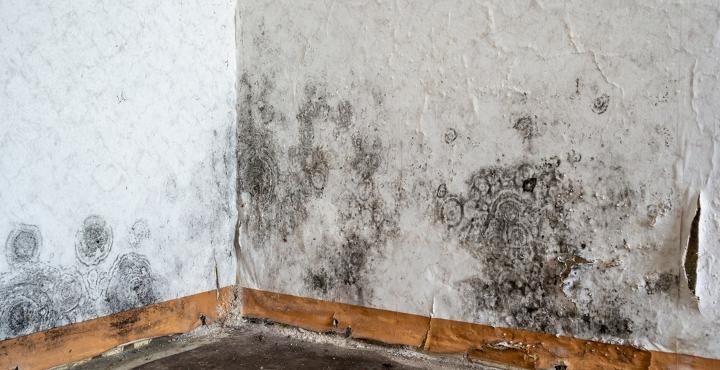
Why is high humidity a problem?
High indoor moisture encourages mould, mildew and dust-mite growth, which can worsen allergies and respiratory conditions such as asthma. You and vulnerable household members — especially children and older adults — face greater risk of symptoms when humidity stays elevated.
Excess moisture damages building fabric and fixtures. Wood warps, paint blisters and plaster can weaken, so leaving high humidity unchecked increases the chance of costly repairs.
Humid air also feels warmer, so you may run fans or air conditioning more often, driving up energy use and bills. Persistent damp can trap odours and reduce general comfort around the home.
Recommended indoor humidity range
- Ideal range: 30%–50% relative humidity.
- Risk threshold: above 60% creates favourable conditions for biological growth and material decay.
Practical benefits of staying within the recommended range:
- Reduces mould and dust‑mite proliferation.
- Lowers the likelihood of moisture‑related structural damage.
- Improves perceived comfort and can reduce cooling costs.
Use a hygrometer to monitor levels and adjust ventilation, heating or dehumidification to keep humidity within the suggested band.
Ways to lower humidity in your home
Purchase a dehumidifying unit
A dehumidifier removes excess moisture from the air, making rooms feel more comfortable and reducing the chance of mould. Choose a size that matches the room: larger units suit basements and open-plan areas, while compact models work for bedrooms and bathrooms. Check the unit’s extraction rate (litres per day) and empty the water tank or connect a drain for continuous operation. Run the dehumidifier during humid periods or after activities that generate steam, such as cooking or showering, to maintain steady humidity levels.
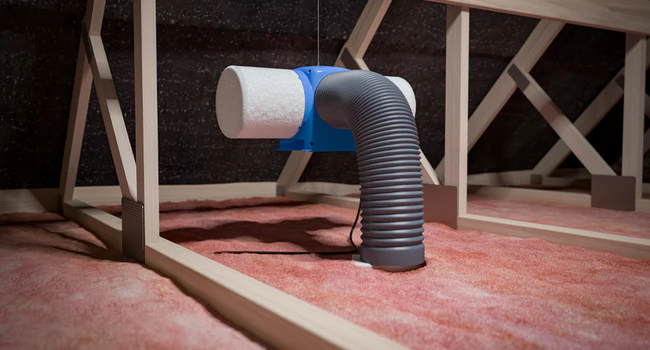
Boost natural airflow
Letting fresh air circulate reduces trapped moisture without cost. Open windows and internal doors when weather permits, and aim for cross-ventilation by creating openings on opposite sides of a room. Use trickle vents on windows for low-level, continuous airflow when it’s too cold to fully open windows. Even short bursts of ventilation after showering, cooking or doing laundry will exchange humid indoor air for drier outside air.
Fit purpose-built extractor fans
Install extractor fans in high-moisture rooms to remove humid air at source. Position them in kitchens and bathrooms and ensure they vent outside rather than recirculate into loft or ceiling voids. Choose fans sized to the room and run them during and for a few minutes after steam-producing activities. Consider humidity-sensor models that switch on automatically when moisture rises, so you don’t have to rely on remembering to switch them on.
Maintain a consistently warm home
Keeping rooms at a steady, moderate temperature cuts the risk of condensation forming on cold surfaces. Use central heating, radiators or thermostatic controls to avoid big temperature swings between day and night. Insulate pipework in unheated spaces to prevent cold surfaces where moisture could condense. A modest, consistent heating strategy is usually more effective at preventing damp than short bursts of intense heat.
Cut down on indoor moisture sources
Reduce the amount of water you add to indoor air through daily habits. Put lids on pans when cooking and use the cooker hood. Dry washing outside where possible, or use a vented tumble dryer that discharges outdoors. Water houseplants sparingly and place saucers under pots to catch excess. Wipe down shower screens and tiles after use to remove surface moisture before it evaporates back into the room.
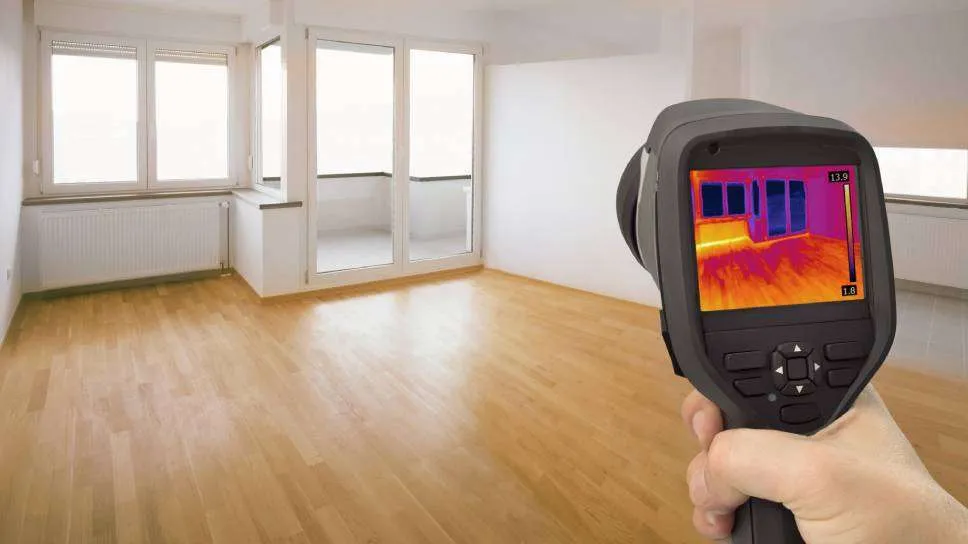
Improve thermal protection around the home
Better insulation reduces cold surfaces that encourage condensation and damp patches. Upgrade loft insulation, add cavity-wall insulation where appropriate, and fit double-glazed windows to keep internal surfaces warmer. Draught-proof gaps around windows and doors without sealing the house completely—balance draught prevention with the need for ventilation. Insulation also lowers heating bills while helping to stabilise internal humidity.
Repair leaks and eliminate penetrating damp
Stop water entering the building by sorting leaks promptly. Inspect roofs, gutters, downpipes and exterior walls for cracks, blocked drains or damaged flashing. Fix dripping taps and damaged pipework that create continuous moisture problems. If you spot rising damp, peeling paint, or recurring stains, consult a tradesperson to identify the source and apply the correct remedial treatment rather than masking symptoms.
Use passive moisture traps
Place moisture-absorbing products in problem areas to capture humidity without electricity. Silica gel, calcium chloride crystals or charcoal-based absorbers work in cupboards, wardrobes and small rooms. Label and replace or recharge them according to the manufacturer’s guidance to keep them effective. For wardrobes and small cupboards, use breathable storage for fabrics and avoid packing items tightly so air can circulate.
Practical checklist (quick actions you can take)
- Run extractor fans or open windows while cooking and for 10–20 minutes after.
- Use a dehumidifier in basements and rooms that stay damp.
- Dry clothes outside or use a vented/tumble dryer that vents outdoors.
- Keep heating on at a low, consistent setting during cold spells.
- Fix leaks and clear blocked gutters to prevent water ingress.
- Add insulation and double glazing where condensation occurs most.
- Place moisture absorbers in wardrobes, cupboards and damp corners.
Simple monitoring tips
- Buy an inexpensive hygrometer to track relative humidity; aim for 40–60% RH.
- Note spikes after specific activities and target those rooms with ventilation or dehumidification.
- Check mould-prone spots weekly and act quickly if you see damp patches.
Follow these practical steps to reduce indoor moisture, protect your fabric of the house, and keep living spaces healthier and more comfortable.
How a specialist can assist
If humidity persists despite your efforts, a specialist can diagnose the underlying causes you might miss.
They carry out detailed inspections to spot issues like hidden leaks, inadequate ventilation or poor insulation.
Expect clear recommendations and costed options — for example, ventilation upgrades, dehumidifier systems or targeted repairs.
Having an expert handle complex problems helps protect your home fabric and keeps indoor air drier and healthier.
Frequently Asked Questions
How can you cut indoor moisture effectively?
Control sources of moisture first: run extractor fans when cooking or showering, fix leaks promptly, and dry wet laundry outdoors or in a vented tumble dryer.
Use dehumidifiers or your air conditioner to remove excess moisture from the air, and keep indoor temperatures steady to reduce condensation.
Improve airflow by opening windows when outdoor humidity is lower, and use fans to circulate air in damp-prone rooms.
Which houseplants help remove humidity best?
Certain plants can modestly reduce humidity by transpiration and improving perceived air quality.
Good options include peace lilies, Boston ferns and spider plants; place them where light and watering needs suit each species.
Rely on plants as a supplementary measure rather than a primary dehumidification method.
Can ventilation lower humidity at home?
Yes — ventilation exchanges humid indoor air for drier outdoor air when conditions permit.
Use mechanical ventilation (extractor fans, trickle vents, heat-recovery ventilators) in kitchens, bathrooms and utility rooms to evacuate moisture at source.
Ensure vents and fans are correctly sized and used during and after moisture-generating activities.
Which dehumidifiers work best for a typical home?
Choose a dehumidifier rated for the room size; check litres-per-day extraction at the humidity/temperature you expect.
Look for energy-efficient models, adjustable hygrostats, auto-drain or pump options, and low-noise operation if placed in living areas.
For whole-house control, consider a dehumidifier integrated with your HVAC system or a dedicated ducted unit.
Will running air conditioning keep humidity down?
Yes — most air conditioners remove moisture as they cool, lowering indoor relative humidity.
To maximise dehumidification, set the thermostat moderately and run the system long enough to complete dehumidification cycles; fan‑only mode does not remove moisture.
Regular maintenance—clean filters, coils and drains—keeps the system efficient at moisture removal.
How do draught-proofing and insulation help control dampness?
Sealing gaps around windows, doors and service penetrations prevents warm, humid outdoor air entering and reduces condensation risk.
Adequate insulation keeps surfaces warmer, cutting the likelihood of moisture condensing on walls and ceilings.
Combine draught‑proofing and insulation with controlled ventilation to avoid trapping moisture inside.
