
Not All Damp Is Rising Damp – Here’s What It Really Could Be: Identifying Common Causes and Practical Fixes

Damp stains and salt marks on your walls don’t automatically mean rising damp. You’re more likely to be dealing with penetrating damp, condensation or issues caused by modern alterations — each needs a different fix and a different level of urgency.
If you want the right repair and to avoid unnecessary, costly treatments, identify the actual cause rather than assuming it’s rising damp.
This article explains how to tell rising damp apart from other common problems, clears up widespread misconceptions, and shows practical steps you can take to diagnose the true source of moisture in your home.
Understanding Different Types of Damp
Damp in your home can come from the ground, from leaks through walls or roofs, or from moisture that forms inside rooms. Knowing how each behaves helps you choose the right inspection steps and treatments.
Rising Damp Explained
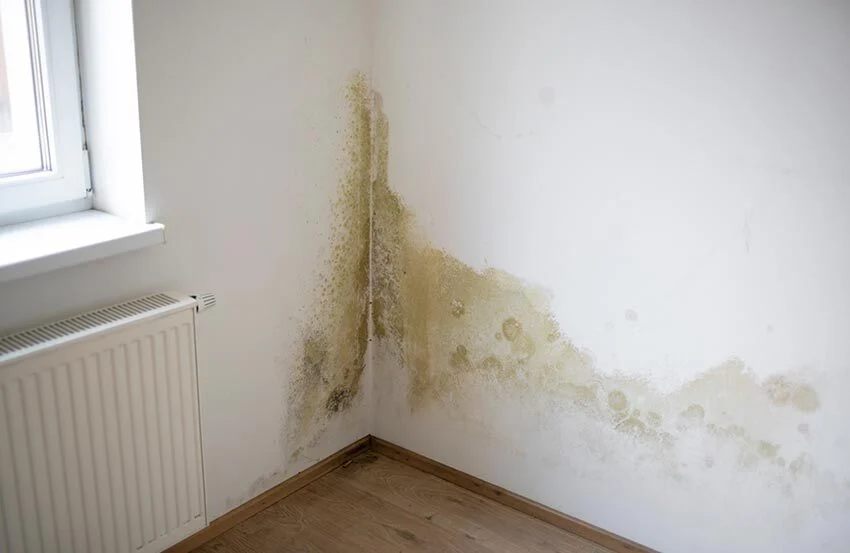
Rising damp occurs when groundwater moves up through masonry by capillary action. You’ll typically see a tide mark on internal plaster 1–1.5 metres above floor level, salt deposits (white efflorescence) and crumbling plaster near skirting boards.
To check for rising damp, measure moisture with a specialist meter and look for a missing or breached damp-proof course (DPC). Treatment usually involves installing or repairing a DPC, removing contaminated plaster to above the tide mark, and replastering with a salt-retardant render. You should also address external ground levels — soil, paving or decking should sit below the DPC level.
Penetrating Damp Defined
Penetrating damp happens when water enters directly through walls, roofs or window junctions. Common causes include damaged roof tiles, blocked gutters, cracked brickwork, failed mortar joints and poor flashing around openings.
Signs include damp patches that appear on both internal and external walls, often localised and unrelated to floor level, plus mould or damp on upper storeys after heavy rain. Diagnosis requires inspecting external fabric and pointing, plus internal checks for roof and gutter defects. Fixes focus on stopping the ingress — repair roof coverings, repoint brickwork, renew flashings and seal gaps — rather than internal plaster removal unless salts or mould are present.
Condensation as a Source of Damp
Condensation forms when warm, moist air meets a cold surface and leaves water droplets. It concentrates on single-glazed windows, cold external walls and in poorly ventilated areas like bathrooms, kitchens and behind wardrobes.
You’ll notice black mould in corners, water on window glass, and damp patches that vary with weather and household activities. Control measures include increasing ventilation (mechanical extractors or simple trickle vents), reducing indoor humidity (using lids when cooking, drying clothes outside or in vented tumble dryers), and improving insulation or thermal bridging to warm surface temperatures and reduce condensation risk.
Common Misconceptions About Damp Problems
You often see damp symptoms and assume a single cause. The reality is multiple distinct issues can produce similar marks, smells or plaster damage, and each needs a different fix.
Mistaking Condensation for Rising Damp
Condensation forms when warm, moist air meets a cold surface and leaves water droplets. You’ll commonly find it on windows, inside external corners, or on cold walls above skirting boards, often with black mould in bedrooms and bathrooms where ventilation is poor.
Rising damp, by contrast, shows a tide mark, salt deposits (white powder), and damp at the base of walls up to about 1.2 metres. If you can stop mould by improving ventilation or using an extractor fan, it’s probably condensation, not rising damp. Carry out a simple check: dry the area and improve airflow for a week; persistent wetness with salt staining suggests a different cause.
Overlooking Building Defects
Small defects can create large moisture problems if you ignore them. Blocked gutters, cracked external render, missing roof tiles and failed pointing let rain penetrate masonry; you’ll see localized damp patches that don’t match the classic rising-damp pattern.
Also check ground levels and external paving — soil or paving higher than the damp-proof course (DPC) will bridge it and allow moisture into walls. Look for leaking pipes and defective seals around windows and doors. Fixing these defects often cures the problem without invasive DPC work, so inspect and repair visible faults before assuming structural waterproofing is required.
Impact of Incorrect Diagnosis
Treating the wrong cause wastes money and can worsen the problem. Installing a new damp-proof course when the issue is condensation won’t stop mould and may trap moisture in plaster that needs replacing.
Incorrect treatments can damage historic buildings if inappropriate materials are used, and unnecessary tanking or salt-killing plasters can hide ongoing leaks. Always get a targeted diagnosis: take simple tests (wipe tests, salt checks, humidity readings), inspect gutters, and if needed, commission a damp specialist who explains evidence-based options rather than selling a single fix.
Identifying the True Cause of Damp in Homes
You need to distinguish between external leaks, structural defects, and internal moisture sources. Inspect walls, floors and ventilation to match symptoms with probable causes before choosing repairs.
Assessing External and Structural Issues
Look for signs of water entry from outside: damaged roof tiles, failed pointing, blocked gutters and overflowing downpipes. Check the wall base for horizontal damp-proof course (DPC) breaches and crumbling mortar that could allow moisture into brickwork.
Inspect ground levels around the property. Soil or paving higher than the DPC can cause rising appearance; persistent wet patches on external walls after rain suggest penetrating damp. Examine cavities and external render for cracks, and look for salt staining and flaking plaster internally — these point to moisture movement through masonry rather than condensation.
Use a torch and mirror to inspect behind skirting and around external window reveals. Photograph locations and note when the damp appears (after rain, continuously, or during cold weather).
Evaluating Ventilation and Heating
Check room ventilation: insufficient air changes cause condensation on cold surfaces like single-glazed windows and uninsulated walls. Measure relative humidity with a hygrometer; readings above 60% indoors indicate a ventilation or drying issue.
Assess heating patterns. Cold spots form where insulation is poor and create condensation risk. Note occupant habits — frequent drying of clothes indoors, long hot showers without extractor fans, and blocked vents all raise indoor moisture load.
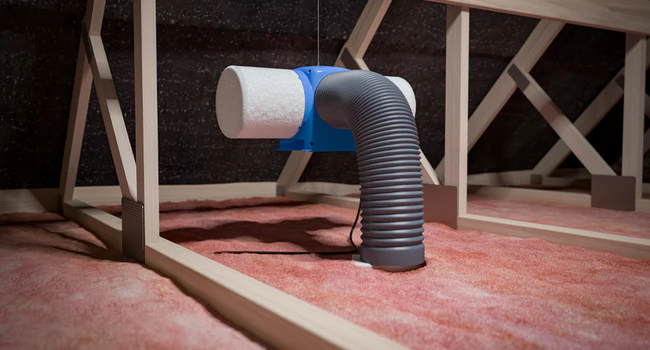
Inspect extractor fans in kitchens and bathrooms for proper extraction to outside. Ensure trickle vents operate and that loft and wall insulation are continuous. Improving ventilation and maintaining background heating often resolves mould and black spots without masonry treatment.
Inspection Methods and Professional Surveys
Start with simple tools: a moisture meter for surface readings, a hygrometer for humidity, and a probe for timber checks. Use non-invasive meters first; high readings guide where to remove plaster for deeper inspection.
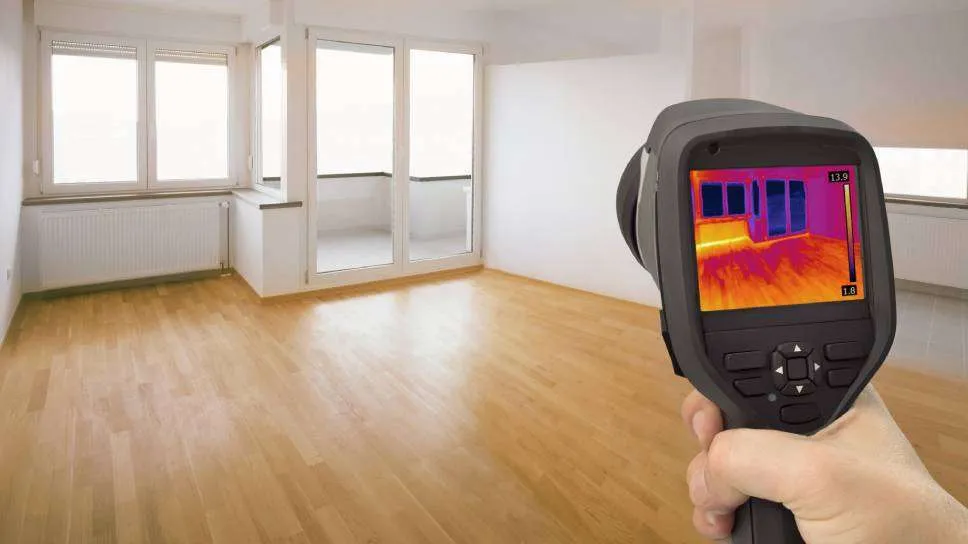
If the cause remains unclear, commission a qualified damp surveyor or building surveyor. They will perform invasive tests, salt analysis, and may use thermal imaging to find cold bridges and hidden leaks. Ask for a written report with cause, evidence photographs and a recommended remedial plan.
Choose surveyors accredited by recognised bodies and obtain at least two quotes for remedial work. Keep all evidence and reports; insurers or future buyers may require documented diagnosis.
Frequently Asked Questions
This FAQ explains the real causes behind damp, how to tell different types apart, and the practical steps and treatments you can use to fix the specific problem. Read the answers to identify whether you face condensation, penetrating damp, or true rising damp and what to do next.
What are the common causes of damp in homes aside from rising damp?
Condensation forms when warm, moist air meets a cold surface, commonly in bathrooms, kitchens and poorly ventilated rooms. Poor ventilation, inadequate heating, and high internal moisture from drying clothes or unflued appliances make condensation worse.
Penetrating damp happens when rain or groundwater enters through damaged roofs, cracked walls, failing gutters or poor pointing. Faulty flashing, blocked drains and leaking pipes also produce localised wet patches and can mimic other damp types.
Leaks from plumbing, roof leaks and overflowing gutters create persistent damp that can appear at any height. Building defects such as blocked weep holes, damaged render or failing damp-proof membranes allow moisture into walls.
How can you distinguish between rising damp and other types of dampness?
Rising damp normally appears at low level, showing a tide mark usually within 1.5 metres of floor level and often with salt deposits on plaster. It requires a continuous route from ground to wall — look for missing or damaged damp-proof courses (DPC) in older buildings.
Condensation appears on cold surfaces and high in rooms with poor airflow, not necessarily at floor level. Penetrating damp is local and relates to weather or point-source defects; inspect external walls, roof junctions and window surrounds for damage.
Use a moisture meter to map damp levels vertically; rising damp tends to show higher moisture nearer the floor that gradually reduces upwards. Rapid changes in moisture after dry weather suggest penetrating damp or leaks, not rising damp.
What are the key indicators of condensation compared to rising damp?
Condensation collects as visible water droplets on windows, mirror fogging and mould on ceilings or walls near cold surfaces. It fluctuates with weather and household activity and often appears in corners, behind furniture and on single-glazed windows.
Rising damp leaves a distinct horizontal tide mark, crumbling plaster with white salt (salpetre) stains and timber decay at skirting level. It does not commonly cause water beading on glass or black mould high on walls.
Check timing and location: if mould appears after cooking or showers and clears with ventilation, it’s likely condensation. If damp persists at the same low-level band regardless of ventilation, consider rising damp or a structural moisture source.
Could penetrating damp be mistaken for rising damp, and how can you tell the difference?
Yes — penetrating damp can mimic rising damp when external defects cause low-level wetting or when moisture spreads internally. Moisture concentrated near windows, external cracks or where two materials meet usually indicates penetration.
Look for external damage: missing mortar, cracked render, blocked gutters and broken roof tiles are red flags for penetration. Moisture that appears after rain and subsides in dry conditions points strongly to penetrating damp rather than a rising issue.
Probe behind plaster or remove a small patch to inspect the wall fabric; wet masonry that correlates with external defects suggests penetration. A professional survey with external inspection and moisture mapping clarifies the cause.
What steps should homeowners take to accurately identify the type of damp in their property?
Start with a visual inspection: note the height and location of damp, presence of salts, mould patterns and any external defects. Record when damp appears — after rain, during showering, or constantly at low level.
Use basic tools: a hygrometer to check indoor humidity and a moisture meter to compare readings at different heights. Improve ventilation and heating as a diagnostic step; if damp improves quickly, condensation is likely.
If doubt remains, hire a qualified surveyor or damp specialist who will perform moisture mapping, check the DPC, inspect external walls and use invasive probes when needed. Ask for a written report with readings and photographic evidence so you have an accurate record.
What are the effective treatments for non-rising damp issues in buildings?
For condensation, increase ventilation, install extractor fans in bathrooms and kitchens, use trickle vents, and reduce internal moisture sources. Improve insulation and maintain a consistent background temperature to limit cold surfaces.
For penetrating damp, repair the external defect: repoint, replace damaged render, fix flashing, gutters and roof tiles, and clear drainage paths. Apply breathable external coatings only after the source of ingress has been fixed.
For plumbing leaks and localised water entry, isolate and repair the faulty pipework or guttering and replace any saturated plaster or timber. Use vapour-permeable materials for repairs to allow walls to dry and avoid trapping moisture.
