
Common Damp Problems in Older Homes in York (And How to Fix Them Properly) — Practical Solutions and Expert Advice

Older homes in York often show damp in three ways: condensation on cold walls, water seeping through external defects, or moisture rising from the ground. You need practical checks and fixes that match the cause — simple ventilation tweaks help condensation, while rising or penetrating damp usually needs professional repair to protect plaster, timber and your health.
If you act quickly and match the remedy to the type of damp, you can stop damage and prevent costly recurring problems.
This article explains how to spot the signs common to older York properties, what really fixes each problem, and the questions to ask tradespeople so you get lasting results rather than temporary patches.
Common Damp Issues in Older Homes in York
Older York properties often show three recurring moisture problems: salt-driven rising damp in solid walls, water penetration through worn fabric or rooflines, and surface condensation where warm, humid air meets cold surfaces. Each problem has distinct causes, signs and fixes you can act on.
Rising Damp
Rising damp happens when ground moisture travels up porous masonry into plaster and internal finishes. In York’s older solid-walled homes, missing or failed damp-proof courses (DPCs) and permeable lime mortars make this more likely.
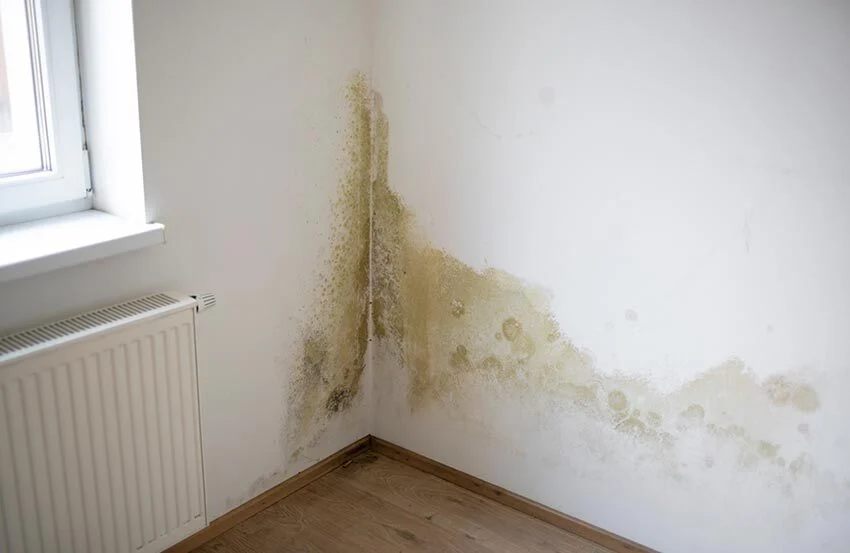
Signs to spot: tide marks up walls, damp or crumbling skirting, salt crystals (white efflorescence) on plaster, and a musty smell in the lower rooms. You may also see peeling paint or plaster that doesn’t dry.
How to fix it:
- Get a professional diagnostic survey first — tests for salts, moisture profiling and inspection of external ground levels.
- Common remedies include installing a chemical or physical DPC, replacing damaged render with breathable finishes, and lowering external ground levels where necessary.
- After treatment, remove and replace affected plaster with a breathable, salt-resistant plaster system and redecorate using breathable paints.
- Address landscaping and drainage so soil and paving don’t sit higher than the DPC level.
Penetrating Damp
Penetrating damp occurs where water enters directly through the building fabric from outside. In York, this often follows failing pointing, cracked brickwork, blocked gutters, defective flashings or roof tile failure.
Signs to spot: damp patches on walls during or after rain, plaster softening, dark stains on external walls, and water dripping from ceilings or window reveals. Penetration is usually localised and coincides with wet weather.
How to fix it:
- Inspect and repair external defects: repointing with appropriate lime mortar, replacing broken tiles, repairing lead or flashing and clearing gutters/downpipes.
- Improve external drainage and ensure soil, paving and vegetation aren’t trapping water against walls.
- For timber or structural damage, arrange urgent repairs and treat any timber for rot or fungus.
- Use breathable materials when replastering; non-breathable tanking can trap moisture and worsen masonry decay.
Condensation Problems
Condensation forms when warm, moist air inside your home hits cold surfaces, then deposits water. In older York houses with poor insulation, single-glazed windows or cold bridges, condensation commonly occurs in kitchens, bathrooms and poorly ventilated bedrooms.
Signs to spot: black mould on window sills and corners, wet patches on walls or ceilings after cooking or bathing, and a persistent damp smell. Condensation worsens in winter and during prolonged periods of high indoor humidity.
How to fix it:
- Reduce indoor humidity by using extractor fans vented outside, opening trickle vents or short, regular airing of rooms.
- Improve drying and ventilation in bathrooms and kitchens; install or upgrade heat recovery or intermittent extract systems where possible.
- Consider insulating cold walls and upgrading glazing; ensure insulation work preserves wall breathability.
- Manage behaviours: cover pans when cooking, dry laundry outdoors or in a vented tumble dryer, and avoid excessive humidifiers or indoor drying racks.
Effective Solutions for Damp Problems
Address the moisture source, restore external defences, and improve air movement to prevent recurrence. Targeted repairs, correct installation of damp-proofing measures, and ongoing maintenance deliver the best results.
Professional Damp Proofing Methods
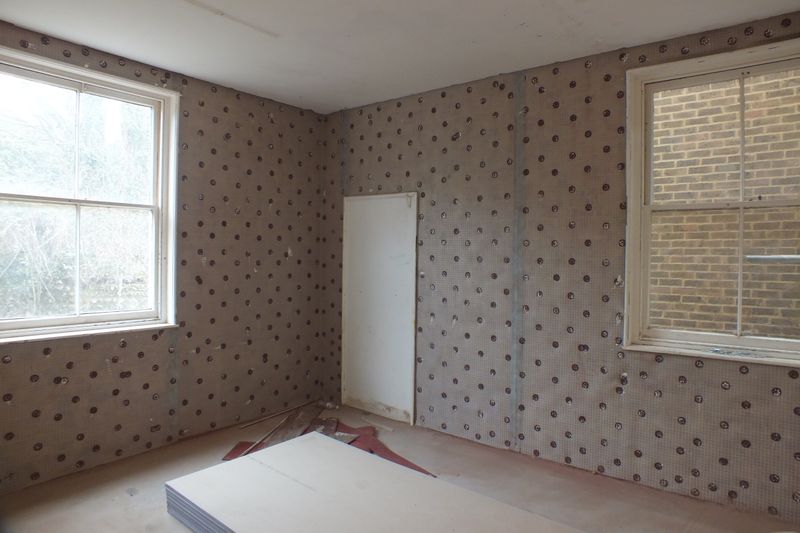
Have a qualified surveyor diagnose the type of damp first — rising damp, penetrating damp or condensation — because each needs a different fix. For rising damp, expect a chemical damp-proof course (DPC) injection or, where appropriate, a physical membrane; both require removing skirting or plaster to at least 150mm above expected damp level.
Penetrating damp normally needs repairs to pointing, brickwork or defective flashings and may call for localised re-plastering with salt-resistant renders. Insist on timber and plaster being checked for rot and salt contamination before replastering.
Ask for a written scope, materials list and moisture-readings before and after work. Use installers who provide a warranty and clear drying-time estimates; drying aids (heaters/dehumidifiers) speed restoration but do not replace the underlying repair.
Repairing and Maintaining Gutters and Roofing
Start by inspecting gutters, downpipes, valley flashings and roof tiles for blockages, cracks or slipped slates. Clear leaves and debris, re-bed loose gutters, and replace worn rubber seals to stop water overflowing onto walls.
Check mortar pointing and roof leadwork around chimneys and rooflights; repoint or replace lead flashings where water tracks into masonry. Ensure downpipes discharge to soakaways or drains, not against foundations — extend outlets if necessary.
Schedule gutter clearing twice a year and check after storms. Small, timely repairs prevent penetrating damp and reduce the chance of expensive structural work later.
Improving Indoor Ventilation
Measure humidity in problem rooms; aim for 40–60% relative humidity to reduce mould risk. Install or upgrade extractor fans in kitchens and bathrooms; ensure fans vent externally, not into loft spaces.
Consider trickle vents on windows or whole-house mechanical ventilation with heat recovery (MVHR) in poorly insulated or tightly sealed homes. Where MVHR isn’t viable, use intermittent positive-pressure ventilation or run room-specific heat-recovery units.
Adopt everyday habits: use lids when cooking, run extractors while showering, and dry clothes outdoors or in a vented tumble dryer. Combine behavioural changes with mechanical ventilation for sustained humidity control.
Frequently Asked Questions
This section answers practical concerns you’ll face in York’s older homes: causes specific to historic construction, targeted repair methods for rising and penetrating damp, condensation prevention for solid-wall properties, dry rot eradication that protects original fabric, and how to find local specialists with heritage experience.
What are the primary causes of damp in historic York properties?
Historic York properties commonly suffer damp from condensation, rising damp and penetrating damp. Condensation appears where warm, humid air meets cold surfaces such as single-glazed windows or uninsulated external walls.
Rising damp occurs where damp-proof courses are missing, failed or bridged by external ground levels, paving or internal floor finishes. Penetrating damp typically follows failed roof coverings, cracked pointing, blocked gutters or poor external render, letting driving rain enter solid masonry.
How can one effectively treat rising damp in heritage buildings?
Start with a professional diagnosis that includes a moisture map and salt analysis to confirm rising damp rather than hygroscopic salts or condensation. Where rising damp is confirmed, install a compatible damp-proof course (chemical or physical) and remove or treat contaminated plaster and skirting to a height shown safe by testing.
Use breathable repair materials—lime plasters and breathable paints—to allow masonry to dry. Control ground levels, repair external defects, and improve ventilation and heating to prevent re-occurrence while preserving historic fabric.
What steps should be taken to prevent condensation in homes with solid walls?
Reduce indoor moisture production by using extractor fans in kitchens and bathrooms and using lids on pans. Dry clothes outside where possible or use a vented tumble dryer; if you must dry indoors, do so in a well-ventilated room.
Increase ventilation with trickle vents, controlled background ventilation and intermittent airing (cross-ventilation) without creating cold drafts. Improve heating distribution and consider secondary glazing or internal wall insulation only after assessing moisture risks and ensuring wall breathability.
Is it possible to eradicate dry rot in period properties without damaging original features?
Yes, you can eradicate dry rot while retaining original features if you take a conservation-led approach. First, commission a timber specialist to locate the source, remove affected timbers and treat residual fungal activity with suitable fungicides.
Replace removed timbers with matching species and traditional fixings where possible, and improve ventilation and drainage to remove the moisture source. Document interventions and use reversible methods when feasible to preserve heritage value.
What are the signs that a traditional home may have a penetrating damp issue?
Look for damp patches on walls that fluctuate with the weather, especially after heavy rain, and staining or blotches on external walls and internal plaster. Peeling paint, damp smelling areas, tide marks or salt deposits on plaster near external walls indicate water ingress.
Also inspect rooflines, flashing, pointing, guttering and window surrounds for cracks, missing mortar or blocked downpipes—these defects commonly cause penetrating damp in older buildings.
Which professional services in York are most experienced with damp proofing older buildings?
Seek conservation-accredited surveyors, chartered building surveyors and timber/wet rot specialists with proven experience in historic masonry and traditional materials. Look for members of professional bodies such as RICS, the Society for the Protection of Ancient Buildings (SPAB), or contractors with listed-building experience.
Ask for case studies, moisture surveys, written methods showing use of breathable materials, and references from other local heritage projects before hiring.
