
Winter Damp and Condensation Solutions: Practical Measures to Prevent Mould and Heat Loss

Cutting down on condensation and damp
You can reduce damp by changing a few daily habits and improving how your home handles moisture. Small, consistent actions—like ventilating wet rooms and limiting indoor humidity sources—significantly lower the risk of mould, paint and plaster damage, and timber decay.
- Benefits of reducing damp:
- Fewer health triggers (allergens and irritants)
- Less cosmetic and structural damage
- Lower long‑term repair costs
Encourage better airflow
Stagnant air lets moisture settle on cold surfaces and encourages mould growth. Keep airflow moving by opening windows briefly but regularly, using trickle vents where available, and avoiding packing furniture tightly against external walls.
Practical steps:
- Leave small gaps between furniture and walls.
- Prop cupboard doors open after cooking or bathing.
- Use extractor fans when showering or cooking and run them for a short period afterwards.
Lower indoor humidity
Preventing moisture accumulation prevents condensation forming on cold surfaces. Change routine behaviours that produce humidity and control sources at point of use.
Room‑specific tips:
- Kitchen: use lids on pans, run an extractor fan, and open a window while cooking.
- Bathroom: close the door when bathing, open a window or use an extractor, and wipe surfaces down after use.
- General: avoid overwatering houseplants and cover pots when boiling water.
Drying laundry with less impact
Drying clothes indoors releases large amounts of moisture into the air and can quickly raise humidity levels. Wherever possible, dry washing outside or use a heated airing cupboard with good ventilation.
If you must use a tumble dryer:
- Choose a vented model that expels moisture outside, or use a condenser dryer with a dedicated outlet to a drain where available.
- Run the dryer on appropriate cycles and ventilate the room afterwards.
Improve insulation and sealing
Keeping internal surfaces warmer reduces the likelihood of condensation forming. Upgrading insulation and fixing building fabric faults both prevents cold spots and helps maintain even temperatures.
Key actions:
- Check and repair roof coverings, guttering and external render to stop water ingress.
- Ensure an effective damp‑proof course and seal gaps around windows and doors.
- Consider upgrading loft and wall insulation to reduce heat loss and cold bridging.
Practical damp-control services and support
You can combine DIY measures with professional help to tackle persistent problems and protect your home through winter. Specialists assess underlying causes, recommend targeted treatments, and install long‑term measures to stop recurring damp.
How professionals can help:
- Diagnose whether damp is from condensation, rising damp or penetrating damp.
- Install or repair ventilation systems and damp‑proof membranes.
- Provide tailored plans for insulation, heating adjustments and remedial repairs.
If you need focused assistance, choose a reputable, local damp specialist who offers inspection, clear advice and fixed‑price work estimates.
Frequently Asked Questions
How can you cut damp in your home during the colder months?
- Ventilate regularly: open windows or use trickle vents for short periods daily to exchange moist air.
- Use extractor fans when cooking, showering or drying clothes indoors and ensure they vent outside.
- Keep heating on a low, steady setting to reduce temperature differences that cause condensation.
- Move furniture slightly away from external walls to allow air circulation and prevent cold spots.
- Fix leaks promptly and check gutters and downpipes so water does not enter walls or roof.
What practical steps stop window condensation most effectively?
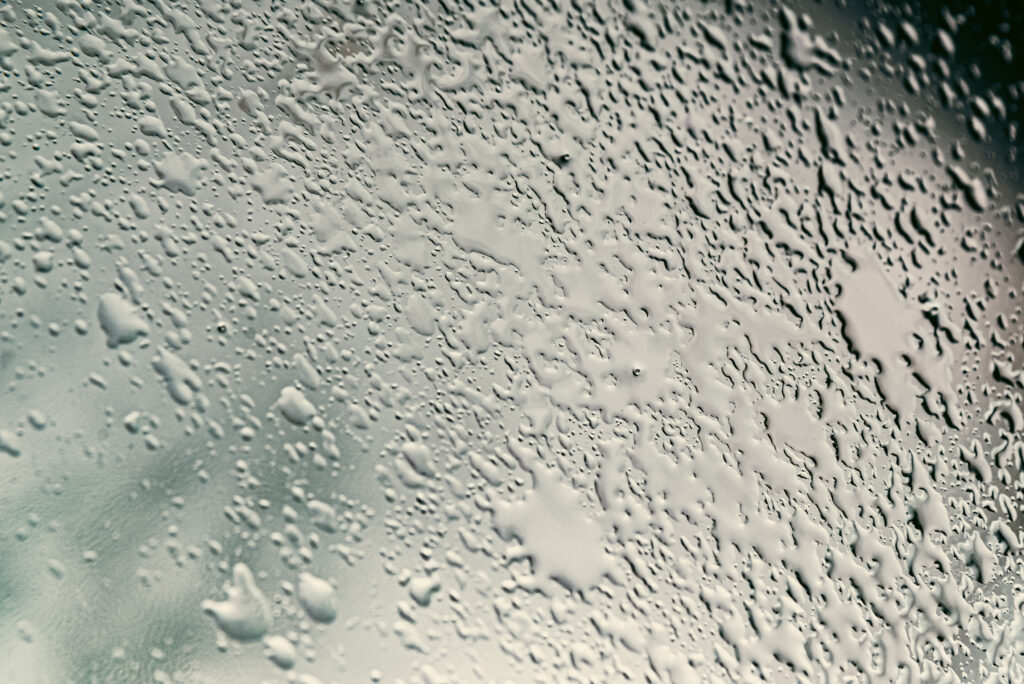
- Wipe windows and sills daily where droplets form, and dry any pooled water to prevent mould.
- Improve airflow with background ventilation or by slightly opening a window when cooking or bathing.
- Fit double- or triple-glazed windows, or use secondary glazing to raise surface temperature and reduce surface condensation.
- Use thermal curtains at night but open them during the day to let warm air reach the glass.
- Consider a dehumidifier in rooms that consistently show heavy condensation.
What problems can high indoor humidity cause over winter?
- Mould growth on walls, fabrics and furnishings, which can affect respiratory health and aggravate allergies.
- Damage to paint, wallpaper, plaster and timber through sustained dampness and staining.
- Increased likelihood of structural deterioration if moisture reaches building fabrics over time.
- Elevated mould and dust mite populations, worsening indoor air quality.
Will upgrading insulation help control winter damp, and in what ways?
- Yes. Insulation raises internal surface temperatures, reducing cold spots where moisture condenses.
- Loft and cavity wall insulation cut heat loss, helping to maintain more even room temperatures.
- Insulating floors and external walls reduces the risk of interstitial and surface condensation in cold areas.
- Pair insulation with adequate ventilation to avoid trapping moisture inside the building fabric.
How do you recognise that condensation is affecting your property?
- Visible droplets on windows, wet or damp patches on window sills and frames.
- Black or green mould on walls, ceilings, behind furniture, or inside wardrobes.
- Musty or stale odours and damp-smelling clothing or soft furnishings.
- Peeling paint, bubbling wallpaper or white powdery deposits (efflorescence) on walls.
- Recurrent damp spots after high-humidity activities such as drying clothes indoors or long showers.
Which daily routines should you change to reduce condensation and damp?
- Avoid drying clothes indoors; if unavoidable, use a vented dryer or dry in a well-ventilated room with a window open.
- Run extractor fans during and after cooking and bathing, and keep doors closed to stop moisture spreading.
- Cover pans when cooking to reduce steam, and keep lids on boiling kettles briefly.
- Keep bedroom doors closed at night and ventilate bedrooms each morning to remove overnight moisture.
- Maintain a low, consistent heating profile rather than large temperature swings to limit condensation formation.
