
Rotten Floorboards: Identification, Risks and Practical Repair Solutions

How to spot compromised floorboards
Look for soft spots or areas that dip when you put weight on them. Discolouration, staining or dark patches often point to water exposure that has weakened the timber.
A persistent musty or earthy smell coming from the floor usually indicates decay or fungal activity beneath the surface.
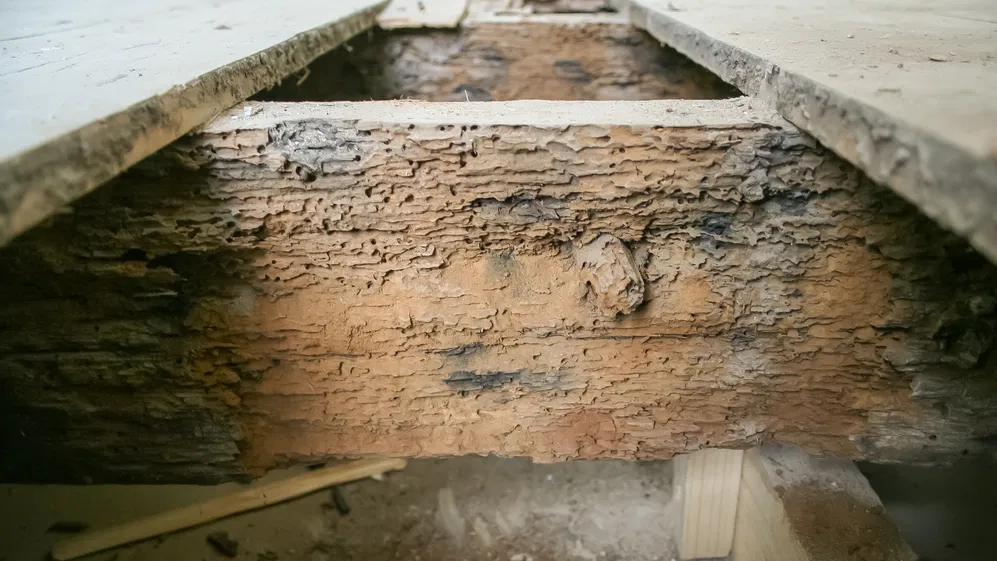
Telling wet rot from dry rot
Check the environment and look for signs that match each fungus. Wet rot is typical where timber stays consistently damp—near leaks, poor ventilation or plumbing faults—and the wood often feels spongy and darkened.
Dry rot can develop at lower moisture levels and tends to show white, thread-like fungal strands, powdery spores and cuboidal cracking as the wood dries and crumbles.
Consider how the problem spreads: wet rot usually stays local to the damp source, while dry rot can advance through masonry and spread more widely.
Visual and tactile signs of rotten timber
Rotten boards may be soft underfoot, sag, or creak abnormally.
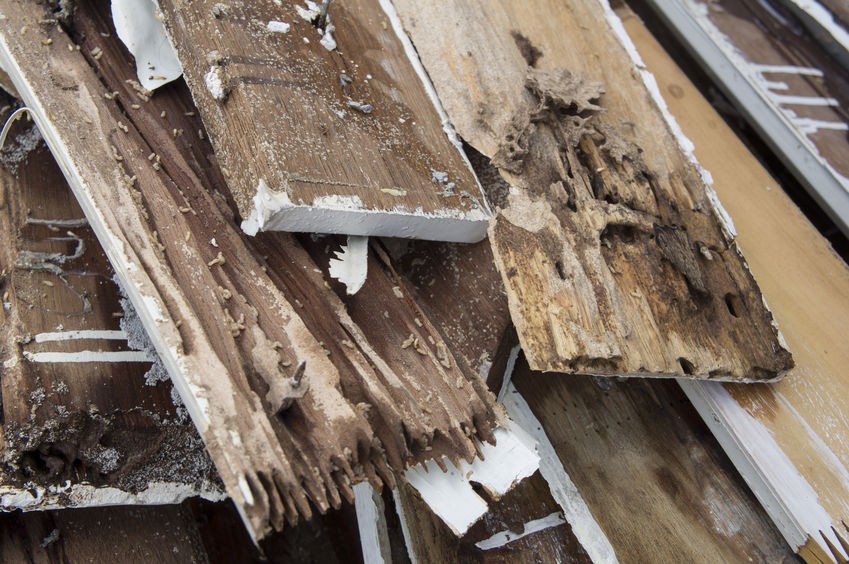
Look for surface changes such as discolouration, flaking, splitting into cube-like fragments, or a brittle crumbly texture.
Visible fungal growth, fruiting bodies or powdery dust beside affected wood are strong indicators of active decay.
Immediate treatment steps you can take
Start by removing the moisture source—fix leaks, improve ventilation and dry the area thoroughly.
Cut out and remove seriously damaged timber using appropriate tools; remove surrounding material that shows signs of decay.
Apply a suitable wood preservative to remaining affected areas to kill fungal remnants and slow further spread.
Fill minor voids with a compatible wood filler, sand smooth once cured, then seal or finish to protect the repair.
Replacing boards that cannot be repaired
When repair isn’t sufficient, remove the damaged boards precisely along clean lines, taking care not to harm adjacent boards.
Measure and cut replacement boards to match profiles and joint details (tongue-and-groove where required), then fix them securely to the joists with nails or screws.
Plane or sand the replacement to level with the surrounding floor, then finish (stain, varnish or paint) to blend with the existing surface.
Typical costs to treat or renew rotting floors
Costs vary with the rot type, area affected, extent of structural involvement and the species of wood chosen for repair.
Small, localised treatments that include inspection, removal of affected boards, preservative application and minor repairs generally sit in a lower cost band.
Extensive repairs or full floor replacement require more labour and materials; quotes should cover removal, subfloor preparation, new boards and finishing.
Obtain multiple estimates and check what each quote includes—diagnostic work, moisture control, timber treatment and finishes—to compare like for like.
Final guidance on tackling floorboard rot
Act quickly when you find signs of decay to limit damage and repair costs.
Assess moisture sources and address them before repairing or replacing timber to prevent recurrence.
For anything beyond small, straightforward repairs, use a qualified specialist for accurate diagnosis and a robust treatment plan that protects both the floor and the wider structure.
Frequently Asked Questions
How can you tell if floorboards are beyond repair?
Look for persistent softness, large crumbling areas, or timber that collapses under light pressure. If joists or the subfloor show extensive decay when exposed, the damage likely extends beyond the boards. Severe structural movement, gaps between boards that won’t close, or widespread mould and staining that return after treatment indicate replacement rather than repair.
What hazards arise if you leave damaged floorboards alone?
Damaged boards compromise safety—trip hazards, sudden collapse and accelerated structural deterioration are common risks. Damp and rot can encourage mould growth, which affects indoor air quality and may aggravate respiratory problems. Unrepaired rot also spreads to joists and neighbouring rooms, increasing repair complexity and cost.
What practical steps should you follow to replace unsafe wooden flooring?
- Inspect and locate all affected boards, joists and subfloor.
- Stop the moisture source before work begins.
- Remove damaged boards carefully with a pry bar, preserving any salvageable material.
- Assess and repair or replace compromised joists and subfloor sections.
- Fit new floorboards that match thickness and grade, using correct fixing methods and allowing for expansion.
- Treat new and adjacent timber with preservative where appropriate and reinstall finishes.
Always use proper PPE and, for structural or extensive jobs, hire an experienced carpenter or structural timber specialist.
Can moisture cause floorboards to rot, and how should you deal with it?
Yes. Persistent moisture from leaks, rising damp or high humidity softens wood and allows fungal decay to develop. First, identify and eliminate the moisture source (plumbing repairs, improved ventilation, damp-proofing). Dry the area thoroughly, treat affected timber with a fungicidal preservative if salvageable, and replace severely decayed elements. Consider improving ventilation, insulation and damp-proof courses to prevent recurrence.
What ballpark figures apply for hiring a professional to replace floorboards?
Costs vary by material, extent of work and location. Typical factors: size of affected area, whether joists/subfloor need repair, access difficulty and the choice of new boards. Expect a single-room basic replacement to start in the lower hundreds to low thousands of pounds, while extensive structural repairs or high-grade timber can push costs higher. Obtain at least three written quotes and check that each includes labour, materials and any remedial work to joists or subfloor.
Which treatments help stop floorboard rot returning?
Use a combination of prevention and treatment:
- Apply a certified timber preservative to exposed and adjacent timber.
- Fix sources of moisture (plumbing, roof, ventilation) and ensure good airflow beneath and above floors.
- Install or renew damp-proof membranes, insulation and ventilation where needed.
- Consider using suitably treated, lower-risk timbers or moisture-resistant engineered boards in vulnerable areas.
Regular inspections and prompt attention to spills or leaks reduce the chance of rot returning.
