
Water Ingress Treatments: Effective Solutions for Damp Prevention and Repair

Cold winter air meeting warm indoor air often leads to water forming on your windows. That moisture can cause damp patches, encourage mould, and damage frames or surrounding decorations if left unchecked.
Spotting and addressing condensation early helps protect your home’s structure and indoor air quality. This guide explains why condensation happens and gives practical steps you can take to reduce moisture and keep your rooms healthier and drier.
What Makes Your Windows Sweat in Winter?
Warm, humid air inside meets cold glass, so moisture turns into droplets on the window.
Common causes: poor ventilation, high indoor humidity, insufficient insulation, and cold outside temperatures.
Reduce indoor moisture and improve airflow or insulation to lower condensation.
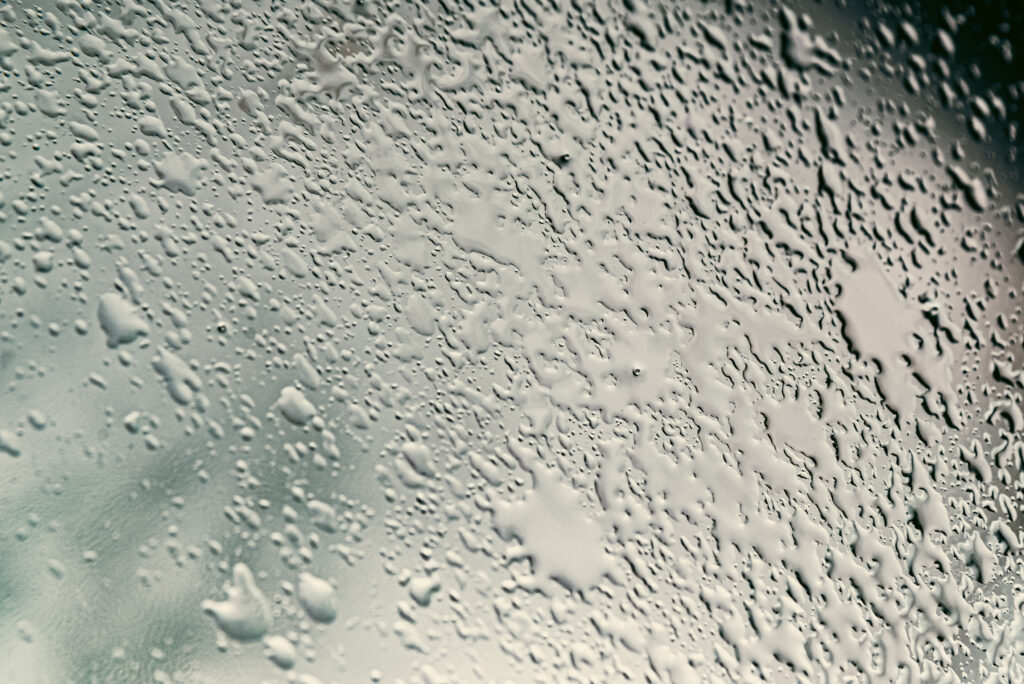
Tips to Prevent Window Condensation in Winter
1. Boost airflow around your home
Improve air movement by briefly opening windows several times a day, even when it’s cold. Run extractor fans when cooking or showering and leave trickle vents open on modern frames to allow continuous, controlled ventilation. If your home struggles with persistent damp, consider a mechanical ventilation system with heat recovery to exchange stale, humid air without wasting warmth.
2. Lower moisture indoors
Cut indoor humidity to reduce condensation risk. Dry laundry outside where possible or use a vented tumble dryer that expels moist air. Cover pans while cooking and use lids to limit steam release. Place dehumidifiers in moisture-prone rooms—bedrooms and basements benefit most—and avoid overusing humidifiers in small, poorly ventilated spaces.
3. Improve window thermal performance
Better insulated glazing reduces how quickly cold transfers to the inner pane and lessens surface condensation. If replacing windows isn’t feasible, add secondary glazing, fit clear insulation film in winter, or install thick thermal curtains to create a warm barrier. Even simple draught-proofing around frames cuts cold infiltration and helps keep glass warmer.
4. Keep indoor temperatures steady
Preventing rapid temperature swings reduces surface cooling on windows. Use a programmable thermostat to maintain a consistent, moderate temperature and avoid turning heating off for long periods. Leave internal doors open where practical to spread heat evenly, and adopt gradual adjustments rather than sudden boosts to the heating system.
Tackling Damp from Window Condensation
If you find mould or damp from condensation, act promptly to prevent damage. Wipe windows and frames frequently and apply mould-resistant paint or surface treatments. Keep ventilation steady and control indoor humidity. If signs persist—black mould, recurring damp patches—arrange a professional damp survey to identify and fix underlying moisture sources.
Frequently Asked Questions
How can you stop water getting into cellars and basements?
- Identify the entry points: inspect walls, floor joints, window wells and external ground levels.
- External measures:
- Ensure ground slopes away from the building by at least 150mm over the first metre.
- Repair or replace damaged gutters and downpipes; direct downpipes away from foundations.
- Fit or restore external cavity drainage and apply a suitable tanking membrane where needed.
- Internal measures:
- Install a damp-proof membrane (DPM) on floors and a tanking or waterproof coating on walls.
- Consider a sump and pumped drainage system for persistent groundwater penetration.
- Monitor humidity and ventilate to prevent condensation-related damp inside the cellar.
What are the most reliable ways to seal window frames against leaks?
- Check seals and flashings: replace perished sealant and repair or fit appropriate flashings above and below the frame.
- Use durable materials:
- Exterior-grade silicone or polyurethane sealants for joints.
- Backer rod in wide gaps before sealing to ensure correct sealant depth.
- Improve thermal performance:
- Fit trickle vents or improve room ventilation to reduce internal condensation that can mimic leaks.
- Consider secondary glazing or replacing single-glazed units with double-glazed units that include warm-edge spacers.
- Finish with proper sill and trim detailing to shed water away from the frame.
Which approaches work best for treating rising damp in older buildings?
- Confirm diagnosis: use moisture readings and check for hygroscopic salts before deciding treatment.
- Non-invasive options:
- Improve ventilation and reduce internal moisture sources to limit capillary action.
- Repoint and repair external brickwork and rainwater goods to stop additional water ingress.
- Chemical damp-proof courses (DPC):
- Inject silicone- or silane-based DPC fluids into drilled holes to create a horizontal barrier.
- Ensure mortar and plaster containing salts are removed or replaced with salt-tolerant systems.
- Structural solutions:
- Where chemical DPC is unsuitable, consider physical barriers or partial rebuilding of affected walls.
- Use breathable finishes on walls to allow trapped moisture and salts to escape without damaging the fabric.
How can you waterproof flat roofs to prevent leaks?
- Inspect and prepare the surface: remove debris, repair blisters and replace rotten decking.
- Choose an appropriate system:
- Single-ply membranes (e.g. EPDM, TPO) for durable, seam-welded coverage.
- Liquid-applied membranes for complex shapes and details.
- Torch-on bituminous felt for robust, traditional protection where permitted.
- Detail all penetrations: upstands, outlets, and joints need flashing and proper termination to the membrane.
- Add falls to ensure positive drainage (minimum 1:80 or as manufacturer recommends) and install reliable outlets or scuppers.
- Schedule regular inspections and clear gutters and outlets to prevent ponding.
What steps should you follow when fixing water damage to timber and wooden structures?
- Assess and make safe:
- Find and stop the water source before any repair.
- Inspect for structural weakness, rot or insect infestation.
- Dry and treat:
- Use controlled drying (dehumidifiers, fans) to avoid rapid shrinkage or warping.
- Treat affected timber with fungicidal preservatives if decay is present.
- Repair or replace:
- Remove and replace badly decayed sections; splice in new timber where possible for structural members.
- Refasten or replace corroded fixings and reinstate protective coatings.
- Prevent recurrence:
- Improve ventilation, fix leaks, and add protective coatings or membranes to exposed timber.
- Monitor for residual moisture using a moisture meter before closing up finishes.
What should you consider when choosing external wall finishes to resist moisture?
- Durability and breathability:
- Select finishes that balance resistance to driving rain with vapour permeability to avoid trapping moisture.
- Lime-based renders suit historic masonry; cement renders can be used where appropriate but can trap salts.
- Detailing and installation:
- Ensure proper lapping, weep holes, movement joints and flashings are included in the design.
- Pay attention to junctions with windows, doors and rooflines; a small detailing fault can cause major ingress.
- Colour and texture:
- Dark colours can absorb heat and cause thermal movement; choose suitable pigments and coatings for your exposure.
- Maintenance and warranty:
- Check manufacturer guidance for expected maintenance intervals.
- Regularly inspect for cracking, biological growth or failed seals and act promptly to repair.
