
Water Ingress Treatments: Essential Solutions for Damp Prevention and Repair

What counts as water entering a building?
Water ingress happens when water gets into parts of your property where it should not be — through walls, brickwork, floors, roofs or around window and door openings. It includes penetrating damp from outside sources and moisture from internal leaks or condensation. You should treat any unexplained wetness, staining or damp odours as signs that water has breached the building envelope.
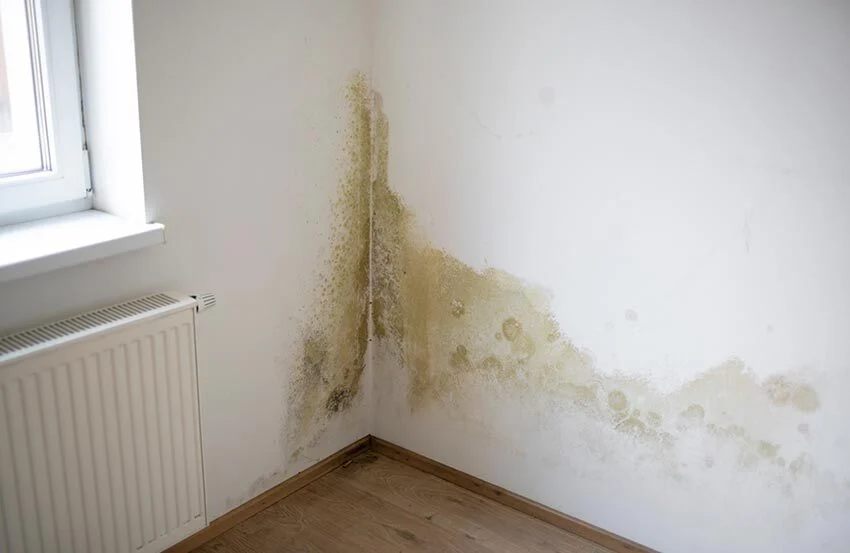
Why water gets into buildings
Several factors let water into your home. Poor workmanship or deteriorated building elements — such as cracked mortar, damaged bricks or unsealed joints — create entry points. Faulty or blocked gutters and downpipes, inadequate site drainage, and ground levels that slope towards the structure also channel water to vulnerable areas. Internal plumbing failures and persistent condensation from high humidity or inadequate ventilation add further risk. Extreme weather and flooding can overwhelm otherwise sound defences, forcing water through weak spots.
Steps you can take to stop water entering
Preventing water ingress requires routine inspection and targeted maintenance. Keep a checklist and carry out these measures regularly:
- Inspect roof coverings, gutters, flashings and seals at least twice a year.
- Repoint or replace damaged brickwork and mortar to restore the wall barrier.
- Fit or renew weatherstripping around doors and windows.
- Maintain positive ground fall away from external walls and keep soil/planting below damp-proof course level.
- Clear gutters and downpipes to prevent overflow and ice or debris blockages.
- Install a waterproof membrane or damp-proof course at foundations where ground water pressure or poor drainage is an issue.
- Check and service internal plumbing, and fit leak-detection devices where practical.
- Improve ventilation and use extractor fans or dehumidifiers to manage condensation.
Use a combination of these measures rather than relying on a single fix. Regular maintenance reduces the chance of small defects becoming costly failures.
Treatments and repairs for existing water problems
Address the source first, then treat damage. Typical treatments include:
- Sealants: Use silicone, acrylic or polyurethane sealants to close cracks and joints on external surfaces and around frames.
- Waterproof membranes: Apply asphaltic, bituminous or composite membranes to foundations, roofs or below-ground walls to block water paths.
- Drainage solutions: Install French drains, channel drains or external landscaping to divert surface water, and consider a sump and pump for basements.
- Roof and gutter repairs: Replace broken tiles, repair flashings and ensure gutters and outlets are sound and clear.
- Weatherproofing: Renew door and window seals, fit threshold strips and upgrade flashing around openings.
- Wall coatings and masonry treatments: Apply breathable masonry coatings or water-repellent treatments designed for brickwork and rendered surfaces — choose products compatible with the substrate to avoid trapping moisture.
For water-damaged interiors follow a practical sequence:
- Remove standing water and contaminated materials promptly.
- Dry the structure thoroughly using dehumidifiers and fans; monitor moisture levels to confirm dryness.
- Strip out badly affected insulation, plasterboard or linings that cannot be dried or disinfected.
- Clean and treat surfaces to prevent mould — use appropriate biocidal cleaners or fungicidal washes where safe.
- Repair the original defect (for example, repoint brickwork, replace faulty pipework or renew external flashings).
- Replace removed finishes and reinstate decorations only once the fabric and any new materials are dry.
When to call a professional: if the source is unclear, water continues after you’ve made repairs, structural elements are saturated, or you find extensive mould or rot. A specialist can provide diagnostics such as moisture mapping, thermal imaging and targeted repairs using purpose-designed damp-proof systems.
Practical comparison (quick reference):
| Problem observed | Typical immediate action | Longer-term treatment |
|---|---|---|
| Staining on internal walls | Locate and stop leak; dry area | Repoint brickwork, fix flashings, treat mould |
| Rising damp at skirting | Check for breached DPC; dry | Install or repair damp-proof course, replaster |
| Wet basement after heavy rain | Pump out water; dry | Improve external drainage, fit sump pump and membrane |
| Persistent condensation | Improve ventilation, use dehumidifier | Install mechanical ventilation with heat recovery (MVHR) or extra insulation |
| Crumbling mortar or brick | Temporary fill and protect area | Repointing, replace damaged bricks, improve wall coating |
Choose remedial options that match the scale of the problem and the construction type. Small, isolated defects often respond to DIY repairs; systemic or recurring issues usually require professional assessment and specification.
Frequently Asked Questions
What are the most reliable ways to stop water getting into basements?
Use a combination of external and internal measures. Externally, ensure ground slopes away from the building, install or repair perimeter drains (French drains) and fit a robust external waterproof membrane or tanking system. Internally, apply cementitious or liquid-applied waterproof coatings to walls and floors and fit a sump pump with a battery backup if groundwater is an issue.
Maintenance helps prevent recurrence: keep gutters and downpipes clear, ensure drainage outlets discharge away from foundations, and repair cracks in walls or floor slabs promptly.
How can you spot early signs of water entering your property?
Look for visual and sensory clues. Common early signs include damp patches, salt deposits (efflorescence) on brickwork, peeling paint, blistering plaster, a musty odour, and mould growth in corners or skirting areas.
Also monitor for rising damp marks up internal walls, recurring condensation that isn’t weather-related, and unexplained increases in water use or higher humidity readings on a hygrometer.
What are best practices for sealing gaps around windows and external doors to keep out moisture?
Use durable, weatherproof seals and maintain them regularly. Remove old deteriorated sealant, clean and dry the joint, then apply a high-quality silicone or polyurethane exterior sealant compatible with the frame material. Fit continuous flashing and drip trims above openings to shed water away from joints.
Check and replace perimeter seals, brush pile or compressible gaskets on sash windows, and ensure external reveals and thresholds are angled and sealed to prevent ponding.
Which products and materials work well for making external walls waterproof?
Choose materials suited to the wall type and exposure. Options include breathable masonry paints or mineral silicate coatings for older brickwork, elastomeric render or cementitious tanking for solid walls, and self-adhesive or liquid-applied membranes for high-risk areas. Cavity wall insulation should be assessed before treatment.
Consider using corrosion-resistant damp-proof courses (DPC), injection creams for rising damp, and breathable membranes so trapped moisture can escape while preventing liquid water ingress.
How frequently should you check your property for probable points of water entry?
Inspect key areas at least twice a year and after severe storms. Check gutters, downpipes, roof valleys, flashings, window and door seals, and ground levels near foundations in spring and autumn.
Carry out a more thorough inspection after any leak or heavy rainfall and keep records of defects and repairs so you can spot recurring problems.
What precautions and steps should you take if your building sits in a conservation area?
Respect heritage controls while protecting the fabric. Use reversible, breathable and like-for-like materials where possible, and consult local conservation officers before carrying out external works.
Typical measures include repairing traditional mortar with compatible lime-based mixes, using discreet flashing and appropriate paint systems, and employing specialist contractors experienced with listed or historic buildings. Obtain any required consents before altering roofs, walls or external joinery.
