
What Is Rising Damp? Signs, Causes, and the Best Treatment Methods — Practical Guide to Identification and Repair
If you spot peeling paint, tide marks on walls, or a persistent musty smell at floor level, you likely have rising damp — moisture drawn up from the ground into your walls. Rising damp occurs when ground moisture travels up porous materials like brick or mortar, and treating it early prevents structural damage and mould that can affect your health and your home’s value.
You’ll learn how to distinguish rising damp from condensation or penetrating damp, what typically causes it (including missing or failed damp-proof courses and high external ground levels), and which treatments work reliably versus those that don’t. The article then explains practical steps you can take, when to call a specialist, and answers common questions so you can tackle the problem with confidence.
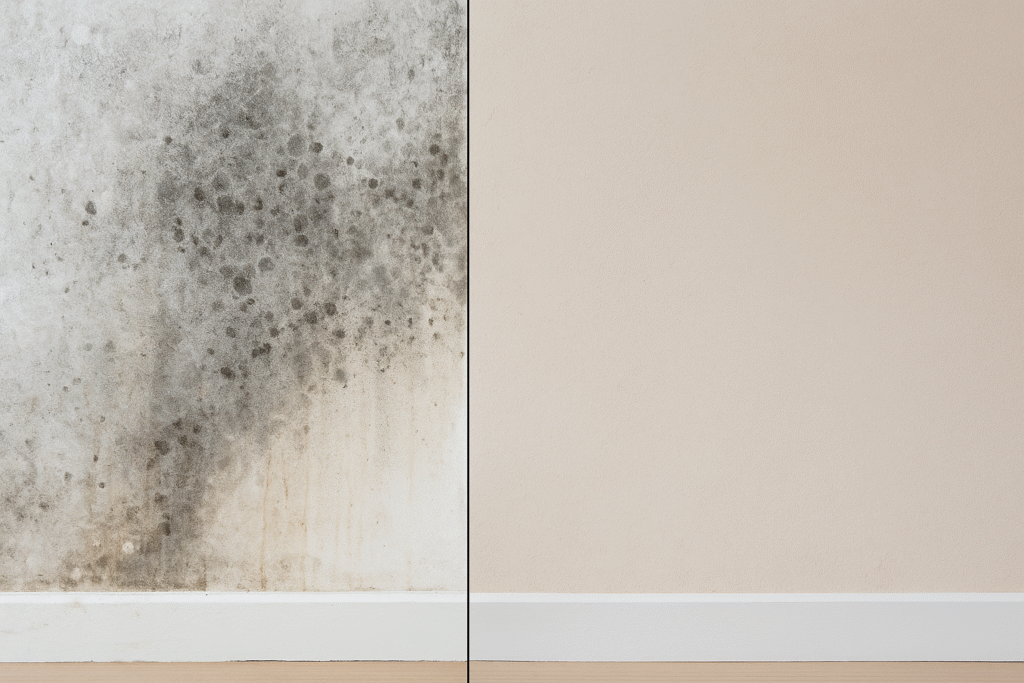
Understanding Rising Damp
Rising damp is a moisture problem that moves from the ground into the fabric of your walls. It commonly shows where external ground levels sit against masonry and where damp-proof measures are missing or have failed.
What Is Rising Damp?
Rising damp occurs when ground moisture is drawn up through porous building materials by capillary action. It typically affects solid brick, stone or lime-mortar walls in older properties that lack an effective damp-proof course (DPC) or where the DPC has been bridged by raised soil levels, patios, or internal finishes.
You can discriminate rising damp from other damp types by the presence of a high moisture concentration near the floor, salt contamination and a distinct tidemark in many cases. It does not usually appear as patchy splashes high up the wall—that pattern more often indicates leaks, condensation or penetrating damp.
How Rising Damp Develops
Capillary action pulls groundwater into pores and gaps in bricks, blocks and mortar. Where a DPC exists but is damaged, or where there never was one, the moisture finds an uninterrupted route upwards until evaporation equals intake.
Salt salts from the ground (nitrates, chlorides, sulphates) travel with the moisture and crystallise as the wall dries. These salts cause plaster to flake and paint to blister. Alterations that raise ground or external levels, blocked weep holes, and poor external drainage all accelerate development.
Typical Signs of Rising Damp
Look for a horizontal tidemark roughly 1–1.5 metres above floor level, although marks can be lower depending on porosity. Peeling paint, powdery or flaky plaster, and brownish or whitish salt staining are common visual clues.
Other signs include musty odours, timber skirting boards decaying near the floor, and persistently damp wallpaper. A moisture meter reading that is high at the base and decreases with height supports a diagnosis, but professional testing (salt analysis, electrical resistance tests) gives more reliable confirmation.
Risks Associated with Rising Damp
Rising damp damages finishes, causing repeated redecorating costs and weakening plaster and mortar over time. Salt crystallisation leads to physical breakdown of wall finishes and can expose structural masonry to further deterioration.
Health risks are generally indirect: mould growth and damp conditions can worsen respiratory problems for occupants. Untreated, damp can lower property value and complicate mortgage or insurance matters, especially in older or listed buildings where inappropriate repairs can cause long-term harm.

Causes and Treatment Methods
You will learn what typically allows moisture to rise into walls, how professionals confirm rising damp, which repairs work best, and straightforward steps to stop it returning.
Common Causes of Rising Damp
Rising damp occurs when ground moisture moves up through porous masonry by capillary action.
Common contributors include a missing or failed damp-proof course (DPC), salt-laden mortar or bricks, and high external ground levels that bridge the DPC.
Other causes to watch for are damaged or bridged DPCs from garden soil, paving or external rendering, and prolonged poor drainage around foundations.
Properties with original lime mortars or highly absorbent brick often show faster capillary rise.
Signs that these causes are present include tide marks, salt crystallisation on skirting areas, and plaster detachment.
Addressing cause-related details first prevents repeat treatment failures.
Assessment and Diagnosis
Start with a visual inspection of skirtings, lower walls and external ground levels; look for a consistent horizontal damp band up to 1.5 metres high.
Measure wall moisture with a calibrated hygrometer or moisture meter; these give a quantitative baseline for comparison.
A professional surveyor will take salt analysis samples from plaster and masonry to distinguish rising damp from penetrating damp or hygroscopic salts.
Expect checks for a continuous DPC, condition of mortar joints, floor finishes and inspection of drainage and gutters.
Request a written report that states the diagnostic methods used and clear photographic evidence.
Accurate diagnosis reduces unnecessary invasive work and targets the correct remedial method.
Recommended Treatment Options
Use treatments matched to the cause and severity. Common professional options include:
- Chemical DPC injection: silicone- or silane-based fluids injected into drilled holes to create a new horizontal barrier.
- Physical DPC: where appropriate, fit a cavity tray, stainless-steel DPC or new impermeable layer during re-plastering or rebuild.
- Salt removal and replastering: remove contaminated plaster, treat salts, and apply a salt-resistant render or breathable lime plaster.
Combine DPC repair with improving external drainage, renewing defective gutters, and lowering external ground levels where they bridge the DPC.
Avoid non-breathable cement renders over historic walls; they trap moisture and worsen rot.
Always get a treatment plan with expected timelines, materials to be used, and guarantees for workmanship and materials.
Preventative Measures
Maintain external ground levels at least 150 mm below the DPC or lowest internal floor finish to prevent bridging.
Keep gutters, downpipes and soakaways clear and repair blocked drains promptly to limit groundwater rise.
Use breathable wall finishes—lime plaster or breathable paints—especially on older, solid walls to allow moisture to evaporate.
Install adequate ventilation in basements and ground-floor rooms and consider a dehumidifier during wet seasons for short-term control.
Regularly inspect for mortar deterioration, blocked weep holes, and vegetation close to walls.
A simple maintenance schedule and prompt remedial action reduce the chance of rising damp reappearing.
Frequently Asked Questions
Below are clear, practical answers about recognising rising damp, why it happens, how to treat it, the risks to a building, health implications, and steps you can take to prevent it.
How can you identify the symptoms of rising damp in your property?
Look for a horizontal tide mark or discoloured band on internal walls up to about 1.2 metres from floor level. You may also see peeling paint, plaster crumbling at the skirting, salt deposits (white powder), and a musty smell in affected rooms.
Check for damp patches that appear worst on ground-floor walls and that correlate with external ground level. Skim off a small area of plaster to inspect if the backing is damp or powdery; persistent moisture readings above 5–6% in brickwork suggest true rising damp.
What are the underlying causes that lead to the occurrence of rising damp?
Rising damp occurs when groundwater moves up through porous building materials by capillary action. Common causes include a missing or failed damp-proof course (DPC), higher external ground levels that bridge the DPC, and porous or damaged brick, mortar or plaster.
External issues such as blocked or damaged drainage, prolonged high groundwater, and poor site drainage increase the risk. In older properties the original DPC may be absent or composed of degraded materials that no longer work.
What are the most effective treatment options available for rising damp?
The most effective long-term treatment is to install or repair a damp-proof course, typically by chemical injection to create a new horizontal barrier in the wall. Combine this with removing and replacing contaminated plaster and skirting, and allowing the wall to dry out using controlled ventilation and dehumidification.
You may also need to lower external ground levels, repair external render, improve drainage, and fix penetrating defects. Always get a damp specialist to diagnose the cause before committing to invasive work; incorrect diagnosis often leads to ineffective treatment.
How does rising damp affect the structural integrity of a building?
Rising damp can progressively damage plaster, mortar joints and timber skirtings, leading to loss of surface cohesion and crumbling finishes. Over time, weakened mortar and compromised brick faces may reduce the wall’s durability and increase maintenance needs.
Severe, long-term damp can exacerbate existing structural defects and accelerate corrosion of metal fixings. However, rising damp alone seldom causes immediate catastrophic structural failure; the greatest harm is to fabric, finishes and long-term maintenance costs.
Can rising damp lead to health problems, and if so, which ones?
Damp conditions encourage mould growth, and mould spores can aggravate respiratory conditions such as asthma and allergic rhinitis. People with weakened immune systems, young children and the elderly can be more sensitive to damp-related mould.
Direct contact with salt-contaminated plaster is unlikely to cause illness, but persistent damp and mould should be removed to reduce respiratory risk and improve indoor air quality.
What preventative measures can be taken to avoid the development of rising damp in homes?
Ensure your property has a continuous, effective damp-proof course and keep external ground levels at least 150 mm below the DPC where possible. Maintain good external drainage, repair gutters and downpipes, and avoid direct soil contact with external walls.
Use breathable wall finishes and manage indoor humidity with adequate ventilation and extractor fans in kitchens and bathrooms. Regular inspections, especially around extensions or ground-level alterations, help catch early issues before rising damp establishes.
