
Timber Preservation & Timber Treatment Specialists
Professional Diagnosis, Repair & Long-Term Protection
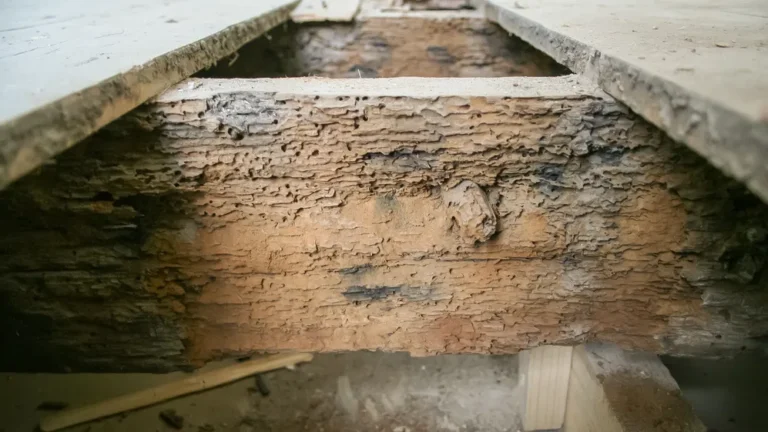
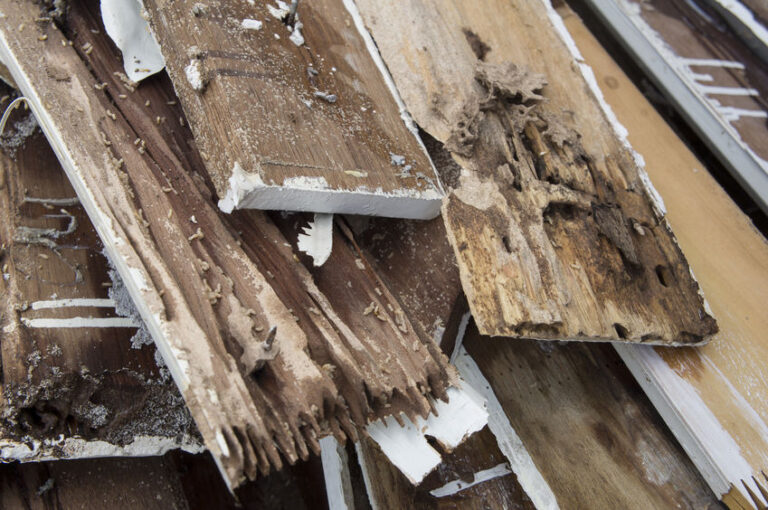
Timber preservation is the process of protecting structural and non-structural timber from decay, rot and insect infestation. Problems such as woodworm, wet rot and dry rot can significantly weaken a building if left untreated, particularly where timber has been exposed to persistent moisture.
Effective timber preservation always starts with accurate diagnosis. Treating timber without addressing the moisture source will result in repeat failure, unnecessary cost and ongoing damage.
Why timber preservation matters
Timber forms a critical part of most buildings — floors, joists, roof structures, lintels and internal joinery all rely on timber remaining dry and sound.
Where moisture is present, timber becomes vulnerable to:
-
Fungal decay (wet rot and dry rot)
-
Insect infestation (woodworm)
-
Structural weakening
-
Expensive secondary repairs
Early assessment and targeted treatment preserves as much original timber as possible and keeps repair costs under control.

What causes timber decay and infestation?
Timber problems almost always stem from excess moisture. Common contributing factors include:
-
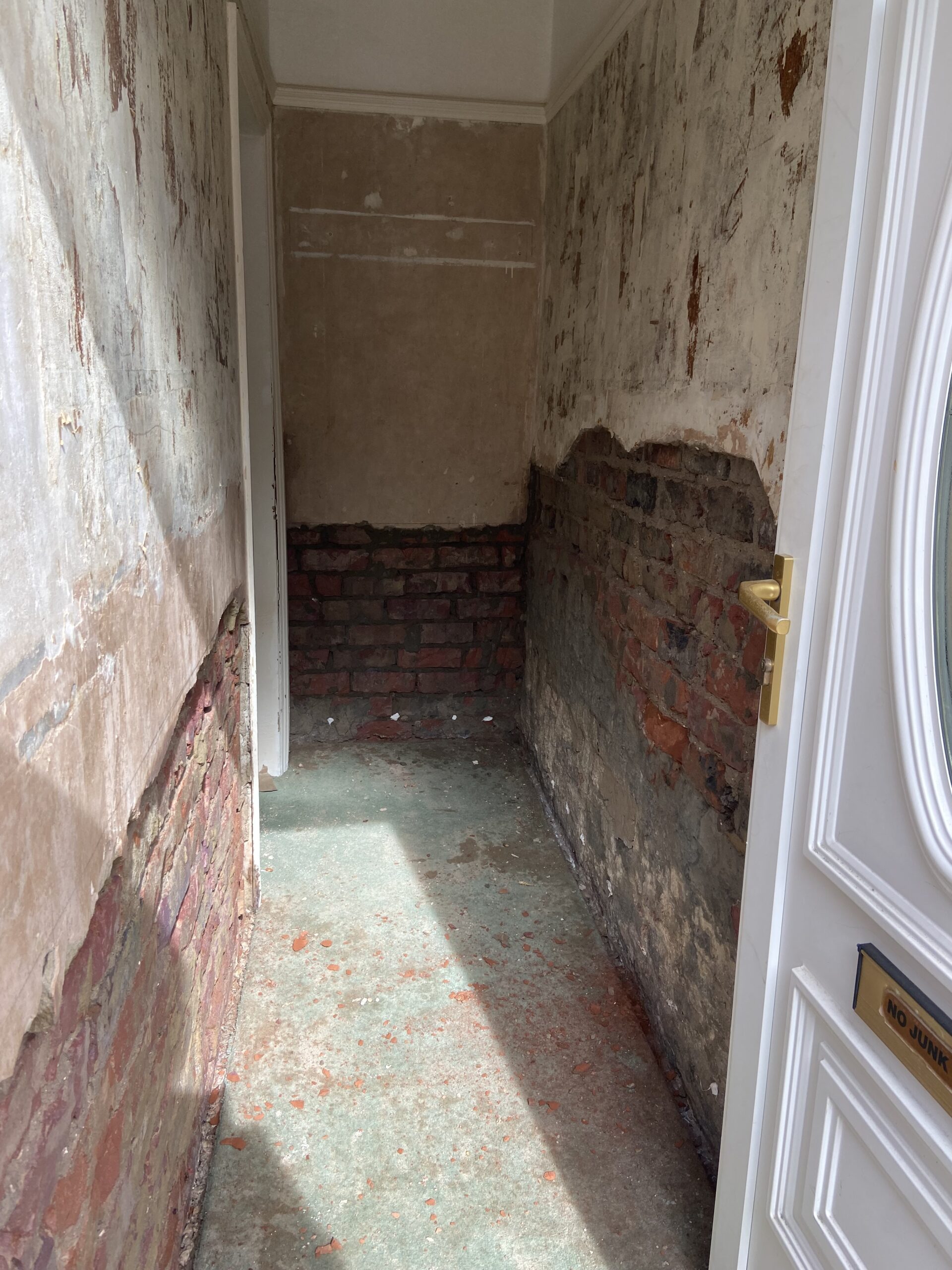
Rising damp at floor level
-
Penetrating damp from external defects
-
Condensation in poorly ventilated areas
-
Plumbing or roof leaks
-
Blocked sub-floor ventilation
-
Bridged damp proof courses
Unless the moisture source is identified and resolved, timber treatments alone will not provide a lasting solution.
- All
- Damp Proofing
Wet rot in timber
Wet rot occurs when timber remains damp for prolonged periods. It is commonly found in:
-
Roof timbers affected by leaks
-
Floor joists near damp walls
-
Window frames and external joinery
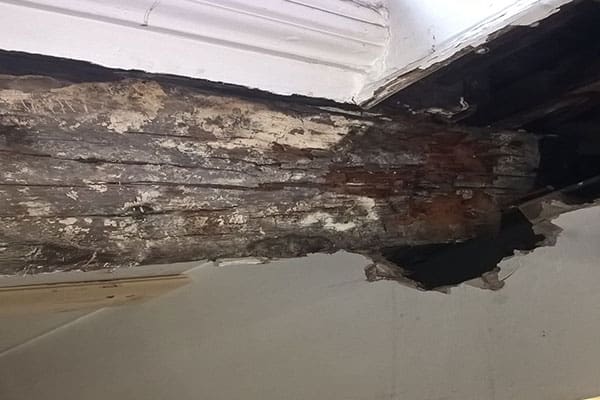
Typical signs of wet rot include:
-
Darkened or bleached timber
-
Spongy or soft texture
-
Long cracking or splitting
-
Localised decay close to moisture source
Wet rot does not spread through masonry, but it can severely weaken affected timber if ignored.
Dry rot in timber
Dry rot is a more aggressive fungal decay caused by Serpula lacrymans. It thrives in damp, poorly ventilated environments and can spread beyond the original moisture source.
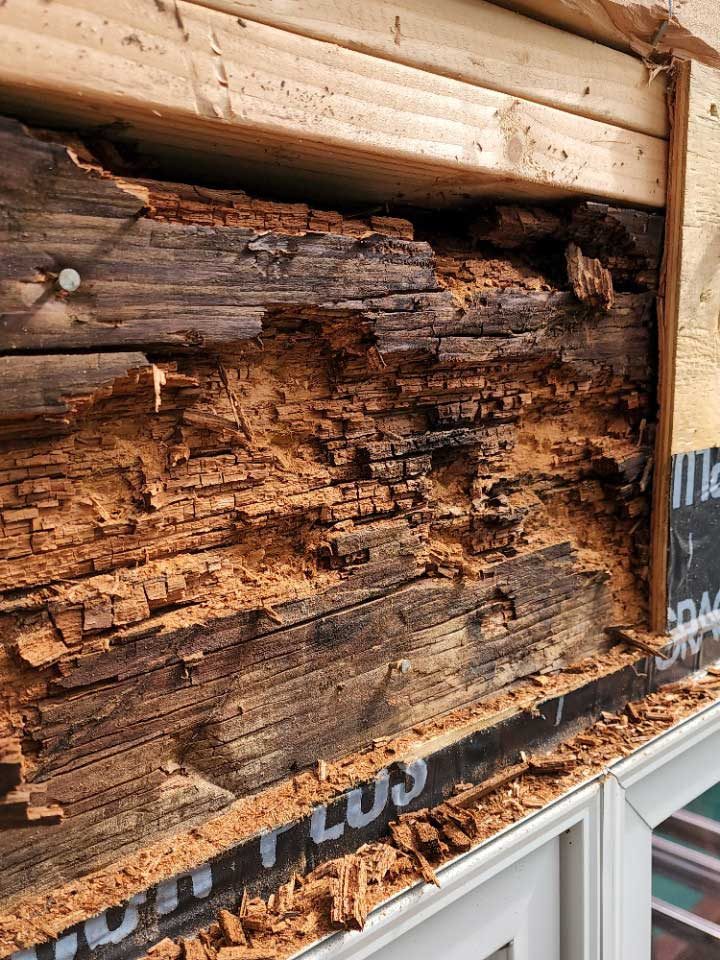
Common indicators include:
-
Cuboidal cracking in timber
-
Dry, brittle wood that crumbles easily
-
Musty, mushroom-like odour
-
White or grey cotton-wool growth (mycelium)
-
Rust-coloured dust from spores
Dry rot can spread through masonry and plaster, making early diagnosis critical.
Timber treatment & preservation services
Our timber preservation process is designed to be targeted, proportionate and evidence-led.
1. Timber & damp survey
We assess:
Timber moisture content
Extent of decay or infestation
Structural integrity
Presence of salts or fungal growth
Underlying damp sources
2. Repair vs replacement assessment
Where possible, sound timber is retained. Only timber beyond economic repair is removed and replaced.
3. Targeted treatment
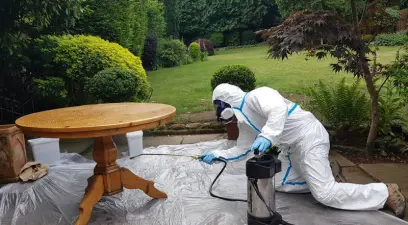
Remaining timber is treated with professional-grade fungicidal and insecticidal preservatives to prevent further decay or infestation.
4. Timber replacement (if required)
New timber is pre-treated and installed to current standards, ensuring durability and long-term protection.
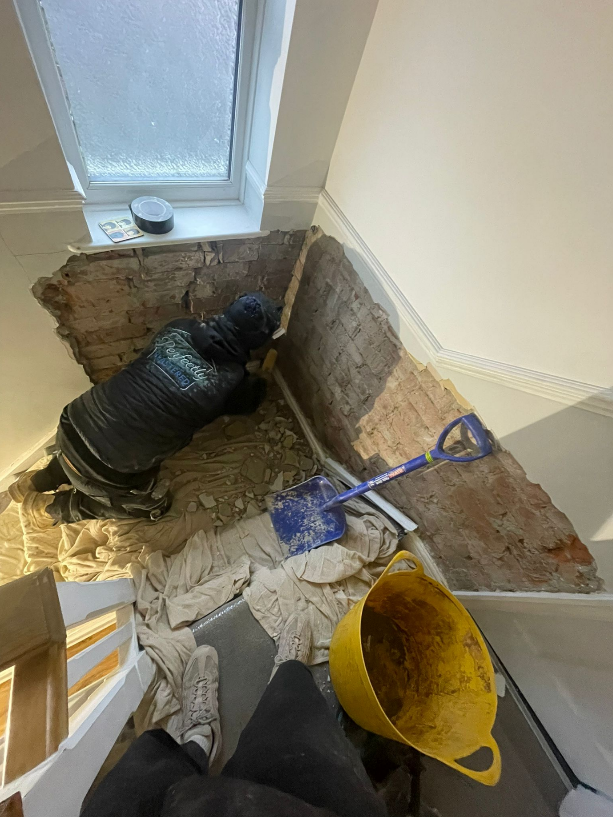
Damp proofing and timber preservation go hand-in-hand
Timber problems rarely exist in isolation. Damp conditions provide the environment fungi and insects need to thrive.
Long-term timber preservation often requires:
-
Damp proof course repairs or installation
-
Removal of bridging
-
Improved ventilation
-
Repairs to external defects
-
Moisture management strategies
Treating timber without addressing damp leads to repeat failure.
What to expect
Our Simple 4-Step Damp Proofing Process
Clear, professional, and hassle-free damp solutions from start to finish.
01
Consultation
Free initial advice & booking
02
Survey
Detailed inspection & report
03
Treatment
Tailored damp proofing solutions
04
Aftercare
Ongoing support & peace of mind
When should you arrange a timber survey?
You should seek professional assessment if:
Damp has been identified near timber
Floors feel springy or uneven
Woodworm activity is suspected
Musty smells are present
You are buying or selling a property
Timber decay has been flagged in a survey
Hidden timber decay is common beneath floors and in roof voids and should never be guessed at.

We deal with rising damp, penetrating damp, condensation issues, and basement waterproofing. Our team finds the root cause and applies the right solution for lasting results.
Yes — we offer free, no‑obligation surveys. One of our specialists will assess your property and explain the best treatment options.
Our damp‑proofing systems are backed by long‑term guarantees. Once treated properly, you won’t need to worry about the issue returning.
Absolutely. We work on residential properties, commercial buildings, and rental homes. No job is too small or too large.
We aim to respond to enquiries the same day and can often arrange a survey within 24–48 hours. Emergency call‑outs are available.
We keep disruption to a minimum. Our team protects your property, carries out the work cleanly, and tidies up after completion
Get in touch
Professional timber preservation you can trust
Correct diagnosis is the difference between a lasting repair and a costly mistake. A professional timber survey ensures the right solution is applied — no unnecessary treatments, no guesswork.
If you’ve noticed signs of timber decay or infestation, early intervention can prevent serious structural damage.
-
Free quotes
-
Emergency call-outs
-
Local, reliable team