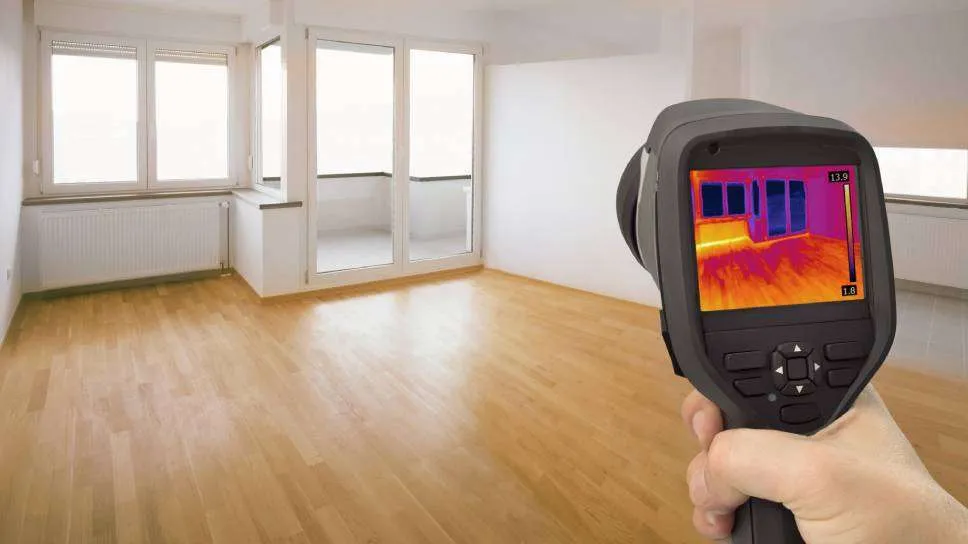
Thermal imaging reveals where your home loses heat and highlights insulation gaps, draughty windows and doors, and hidden leaks in floors or walls without disturbing your décor. Using infrared cameras lets you pinpoint problems quickly and accurately so you can decide which repairs or upgrades will give the best savings on energy and improve comfort.
The same technology also helps identify damp by showing cooler, moisture‑affected areas and tracking the spread and drying of leaks. If you suspect rising or penetrating damp, getting a specialist assessment informed by thermal imaging can clarify the issue and guide effective remedial work.
Frequently Asked Questions
How does thermal imaging reveal where a building is losing heat?
Thermal cameras measure surface temperatures and display differences visually. You scan walls, roofs, floors and junctions to see warmer areas where heat escapes or colder zones where insulation is missing. The images direct you to specific spots for repairs without invasive inspection.
What benefits does thermal imaging offer for checking home insulation?
Thermal surveys quickly pinpoint insulation gaps and air leaks you might miss visually. You save time and avoid guesswork because the camera shows exact locations and relative severity. Reports from surveys help you prioritise upgrades and estimate potential energy savings.
Can thermal cameras spot heat escaping around windows and doors?
Yes. Thermal imaging highlights temperature contrasts at frames, seals and glazing. You can identify poor seals, thermal bridging and drafts that reduce comfort and increase bills. Use focused images to decide whether repair, resealing or replacement is the most cost‑effective option.
How accurate are thermal cameras at locating heat leak sources?
Thermal cameras reliably show surface temperature differences, but they infer rather than measure the exact heat flow. Accuracy depends on camera resolution, calibration, environmental conditions and operator skill. Combine thermal images with measurements (thermometer, blower door, humidity readings) for robust diagnostics.
When is the best time to carry out a thermal survey for heat loss?
Conduct surveys when indoor–outdoor temperature difference is significant, typically in colder months. Early morning or late evening often gives clearer contrast, and calm, dry weather reduces false signals. Avoid direct sunlight, heavy wind or recent heating changes that can mask true heat loss.
How should you read the colour gradients in thermal images about heat loss?
Colours represent relative surface temperatures: warmer tones indicate higher temperatures; cooler tones show lower temperatures. Look for abrupt changes at edges and cavities—these suggest leaks, missing insulation or thermal bridges. Interpret images alongside context (materials, weather, heating state) and include notes on scale and emissivity for clarity.