
Salt on Walls: Causes, Prevention and Effective Remediation

How salts reach your walls
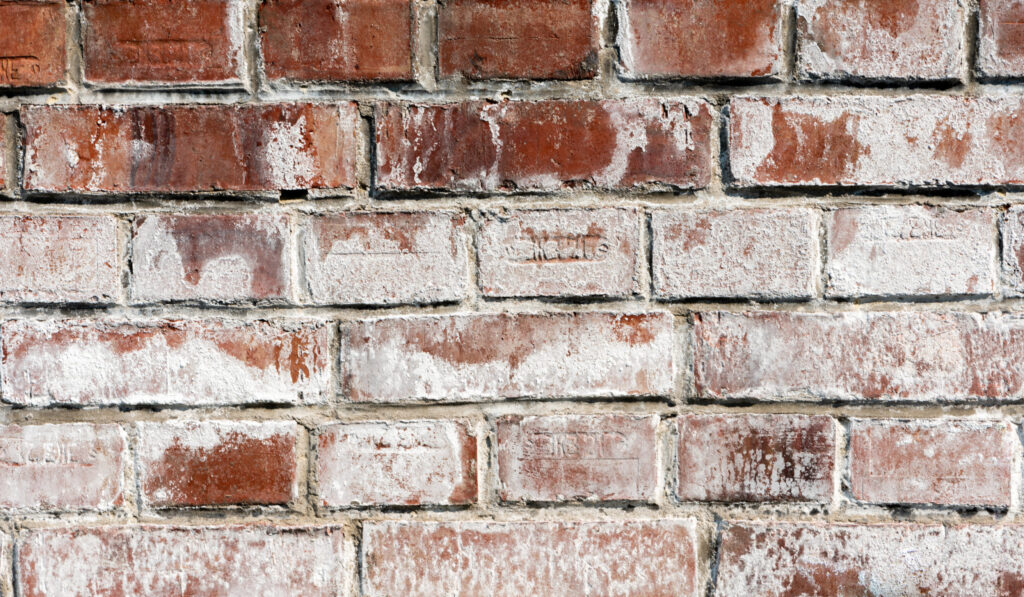
Salts enter internal finishes when moisture moves through masonry and evaporates at the surface. Groundwater or external water drawn into the wall dissolves soluble minerals and carries them upward or inward. As the water evaporates on the plaster or paint, it leaves a visible white deposit and a growing concentration of salts within the wall fabric.
What makes salt in walls harmful
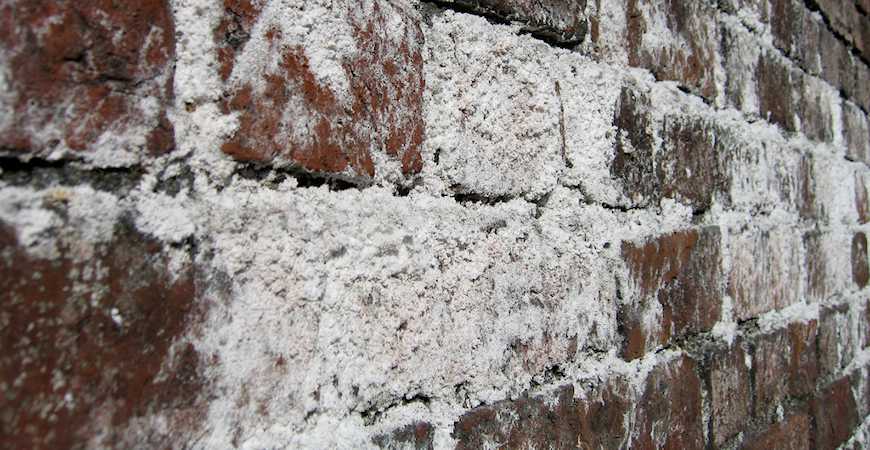
Salt deposits draw moisture from the air because many salts are hygroscopic, so treated walls can stay damp even after the original leak is fixed. This retained moisture causes flaking, crumbling and loss of adhesion in plaster and paint, and it can accelerate decay of porous materials. Visible salt patterns — powdery blooms, tide-marks or damp patches — indicate active chemical contamination that undermines any superficial decoration.
Approaches to remove and manage salt
Treating salt-contaminated finishes requires removing affected plaster or render and using materials that limit salt transfer. Typical steps include:
- Sampling and testing to confirm salt types and levels.
- Removing contaminated plaster back to sound masonry.
- Allowing the wall to dry and neutralising residual salts where appropriate.
- Replastering with salt-resistant or sacrificial finishes and using breathable coatings.
- Addressing the moisture source at the same time to prevent recurrence. Combining mechanical removal with correct drying, consolidation and specification of new finishes reduces the chance of salts returning.
Specialist advice and services
If you suspect salts in your walls, get an inspection from a damp-control professional who can diagnose sources and recommend a tailored programme. Specialists will combine moisture measurement, salt analysis and remedial work aimed at both the contamination and its cause. Engaging experienced operatives ensures coordinated drying, salt management and appropriate replastering to restore both performance and appearance.
Frequently Asked Questions
What makes white salt marks appear on your interior walls?
Salt deposits form when moisture carries soluble salts through masonry or plaster. As the moisture evaporates at the surface, the salts crystallise and leave white, powdery or crusty marks. External sources (groundwater, rain, sea spray) and salts already in building materials can both supply the salts.
How should you remove salt residue from walls safely and effectively?
- Brush or vacuum dry, powdery deposits with a stiff brush or HEPA vacuum.
- For remaining stains, use a mild detergent solution and gently scrub; rinse with clean water and allow to dry fully.
- For persistent crystallised salts, consider a low-pressure wash or a specialist chemical neutraliser applied per manufacturer instructions.
- Only redecorate after the wall is fully dry and salt-free to avoid trapping salts beneath paint or plaster.
What long-term treatments stop salts returning to your walls?
- Identify and fix the moisture source (improve drainage, repair leaks, fit damp-proof courses).
- Apply breathable sealants or salt inhibitors designed for masonry to slow salt migration without trapping moisture.
- Replace or remove heavily contaminated plaster and replaster with appropriate salt-resistant materials if needed.
- Maintain ventilation and control internal humidity to reduce condensation-driven salt movement.
What kinds of damage can salt build-up cause to a property?
Salt crystallisation can flake or powder plaster and paint, causing decoration to fail and finishes to bubble or crumble. Over time, repeated cycles of salt crystallisation and moisture can weaken masonry and render, potentially increasing repair costs. Salt presence also often indicates an ongoing moisture problem that can lead to mould if untreated.
Can rising damp produce salt stains on wall finishes?
Yes. Rising damp transports groundwater containing dissolved salts upward through porous materials. When the moisture evaporates at upper layers, salts concentrate and deposit on the surface, often showing as horizontal bands or powdery patches near the base of walls.
What measures should you take to avoid efflorescence in new builds?
- Store and use dry materials; protect masonry from rain during construction.
- Design and build with adequate damp-proof membranes and correct detailing at ground level, windows and roofs.
- Ensure good site drainage and avoid direct soil contact with vulnerable walls.
- Use breathable finishes and allow new plaster and masonry to dry fully before decorating.
