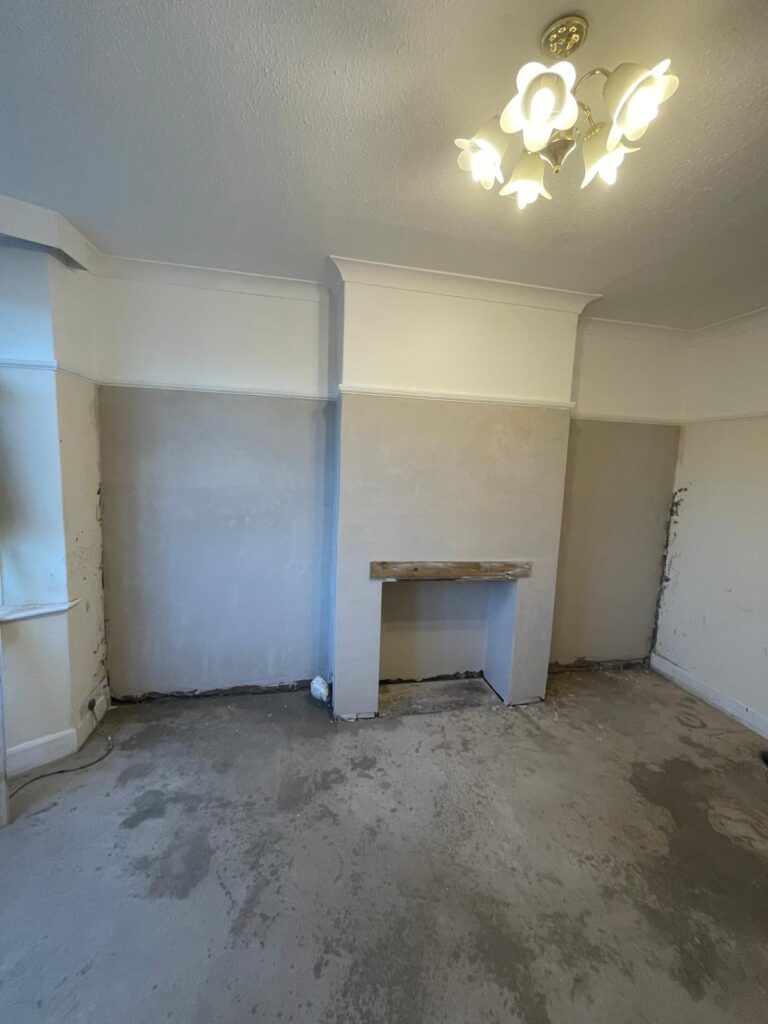
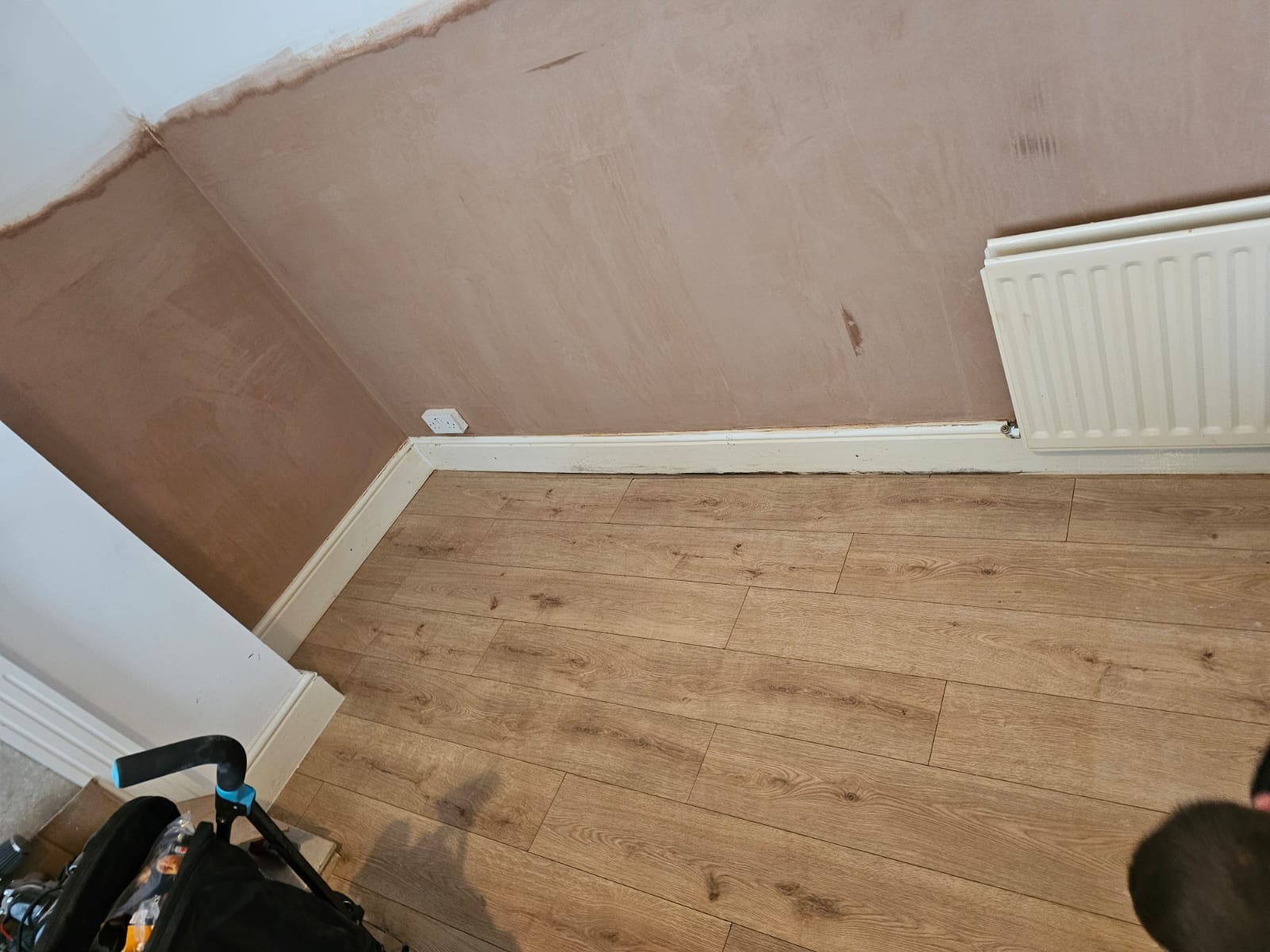
damp-proofing-in-harrogate-membrane
Accurate Diagnosis, Proper Repairs, No Guesswork

Rising Damp Treatment in York

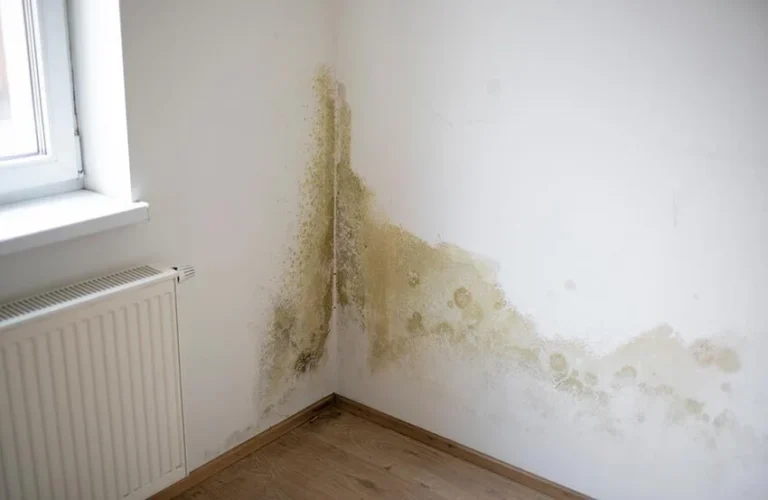
Rising damp is a common issue in many York properties, particularly older homes built before modern damp-proof courses were standard. If you’re seeing tide marks, crumbling plaster, or persistent damp patches at low level, it’s important to identify the true cause before any treatment is carried out.

At Damps, we specialise in diagnosing and treating rising damp properly — not selling unnecessary work. Our approach focuses on finding the source of moisture and applying the correct solution for the property, followed by full repair and reinstatement.

What Rising Damp Looks Like in York Homes

York has a large number of Victorian and Edwardian terraced houses, along with older townhouses and period properties built using solid brick walls and lime-based materials. These buildings behave very differently to modern cavity wall homes.

Typical signs of rising damp we see in York include:

York’s higher rainfall, combined with older construction methods and ground levels that have often been raised over time, can increase the likelihood of moisture tracking up through masonry when protection fails.

rising-damp-article-image
One of the biggest issues we encounter is misdiagnosis.

Common Causes of Rising Damp (and Misdiagnosis)

Not all low-level damp is rising damp.

In fact, many properties are incorrectly treated when the real cause is something else entirely. Common causes we identify include:

  • Bridged or damaged damp-proof courses

  • External ground levels too high

  • Solid walls with impermeable modern plaster

  • Blocked air bricks

  • Long-term moisture trapped behind cement-based finishes

We’re always upfront about this. If it’s not rising damp, we’ll tell you — because incorrect treatment only wastes money and often makes the problem worse.

How We Diagnose Rising Damp Properly

Before recommending any treatment, we carry out a thorough damp assessment. This isn’t a sales visit — it’s a diagnostic process.

Our checks include:

  • Visual inspection of internal and external walls
  • Moisture profiling at different wall heights
  • Identification of salt contamination
  • Assessment of ground levels and external drainage
  • Checking for ventilation issues and bridging

By building a moisture profile rather than relying on a single meter reading, we can distinguish true rising damp from condensation or penetrating damp — ensuring the solution actually works.

damps-damp-proofing-logo-Acomb
lime-plastered-wall-harrogate
Once rising damp is confirmed, treatment is tailored to the property.

Correct Rising Damp Treatment Options

Damp Proof Course (DPC) Installation

Where the original damp-proof course has failed or is missing, we install a chemical damp-proof course to create a new moisture barrier within the masonry.

Damp-Proof Membranes

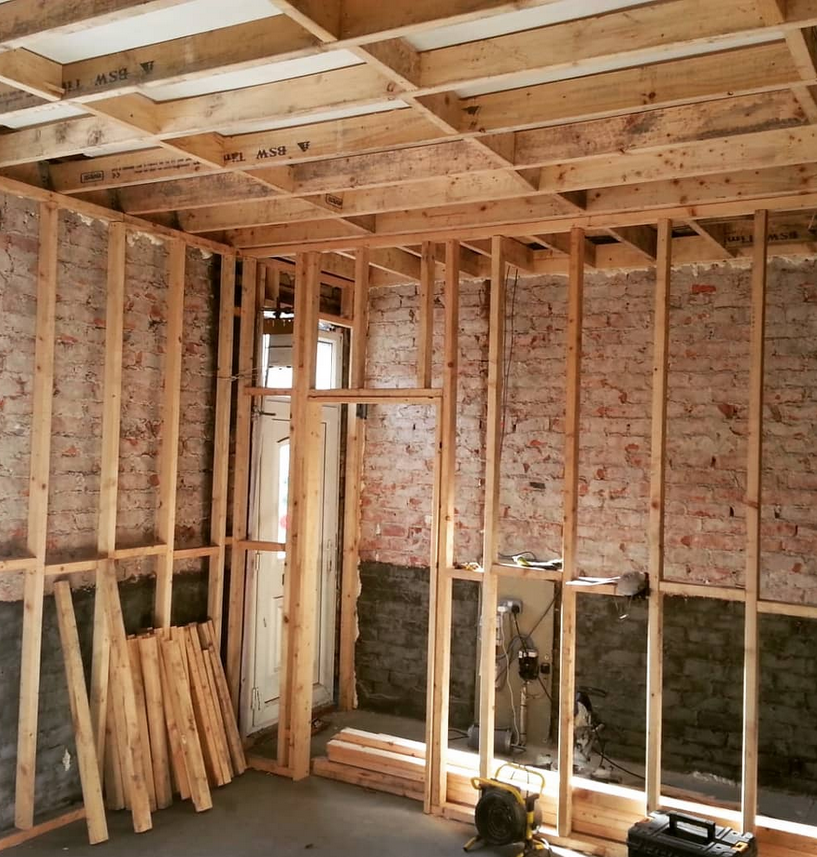
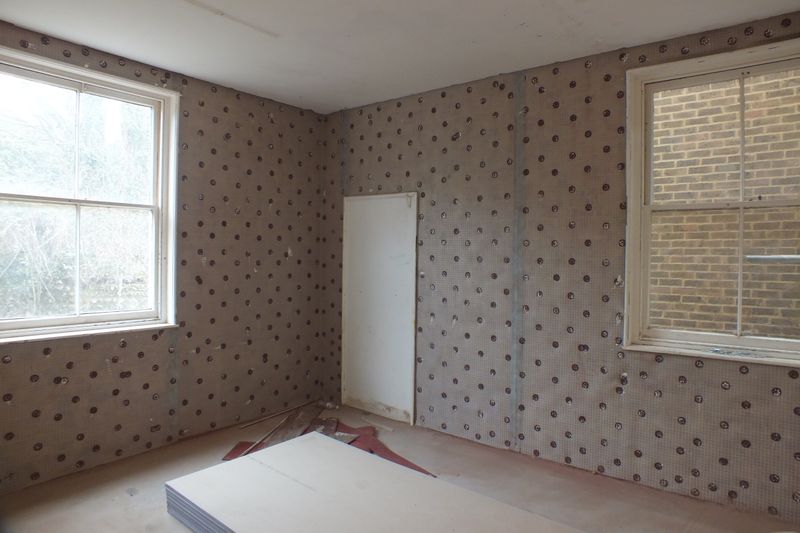
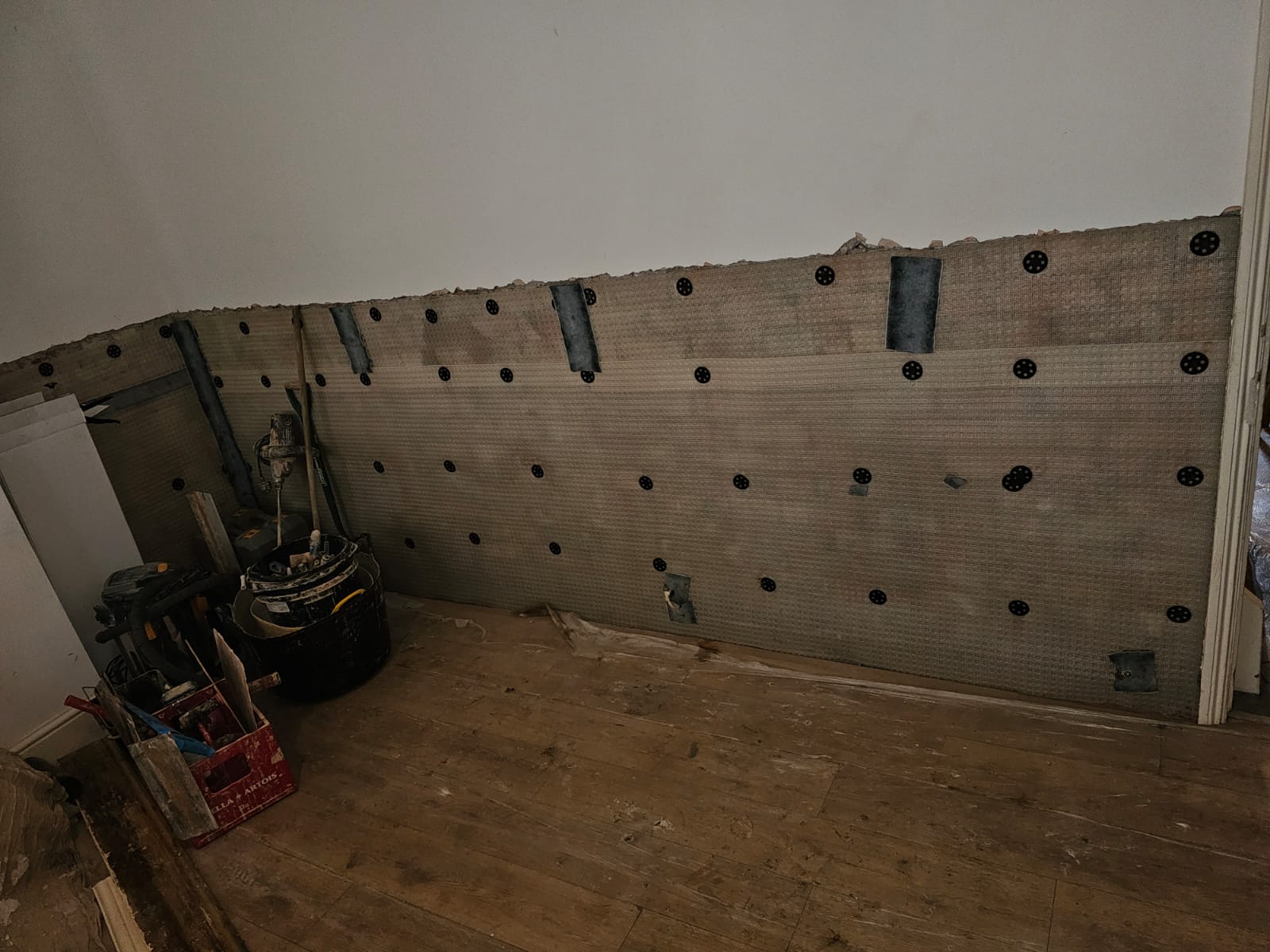
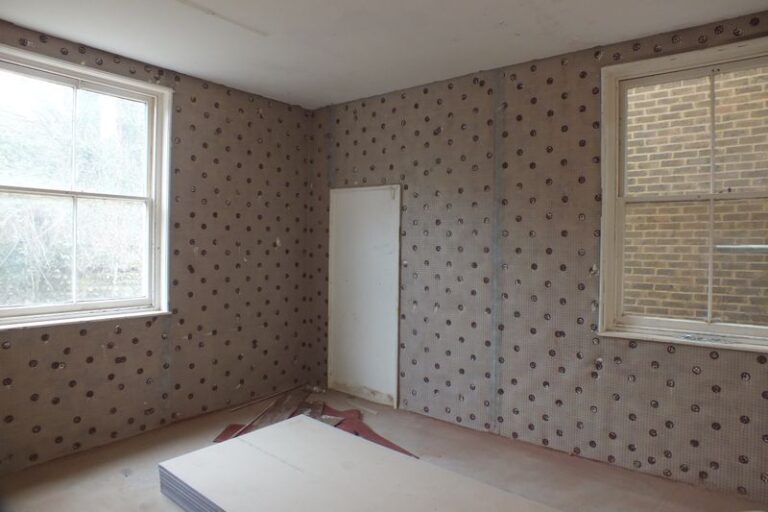
In some situations, particularly with solid walls or severe contamination, a physical damp-proof membrane system may be the most reliable option.

Lime vs Sand & Cement Plaster

Choosing the correct plaster system is critical:

  • Lime-based plasters (e.g. Limelite) allow the wall to breathe and are ideal for older York properties.

  • Sand and cement may be used where appropriate, but only when ventilation and wall construction allow.

We’ll always explain why a particular system is recommended — and when it isn’t.

Ventilation Improvements

Where moisture is being trapped, improving airflow through air bricks or ventilation upgrades may form part of the solution.
Repair and Reinstatement Works

Treating rising damp doesn’t stop at injections or membranes — the repair stage is just as important.

Our reinstatement works typically include:

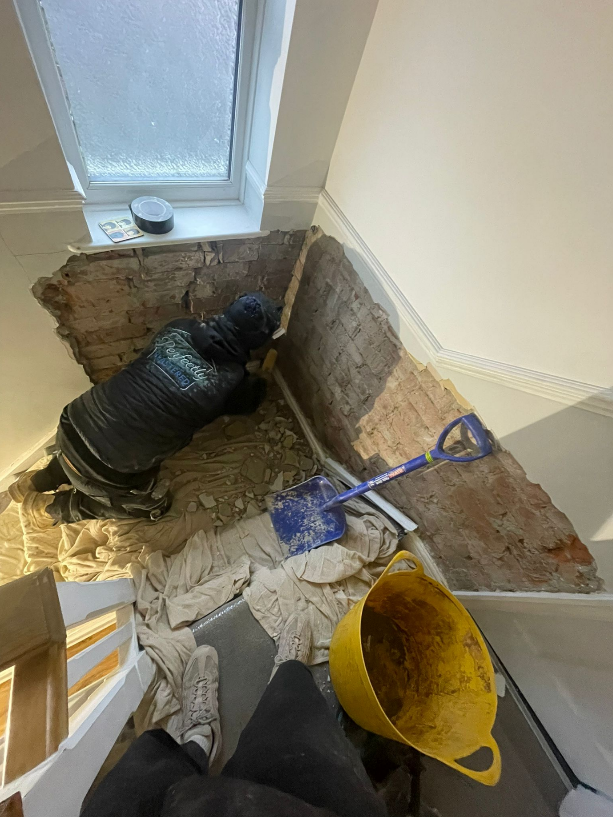
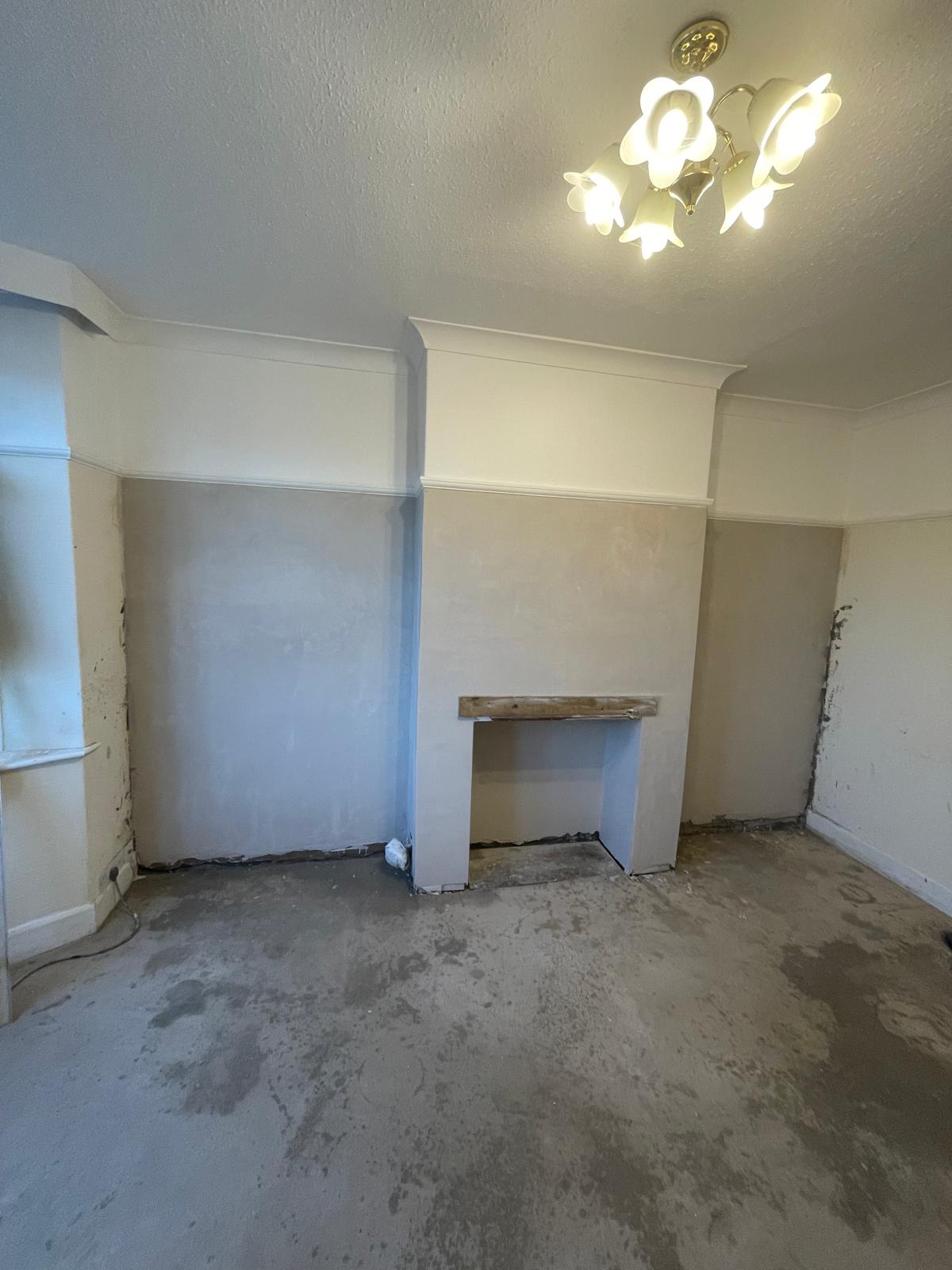
  • Removal of contaminated plaster to correct height
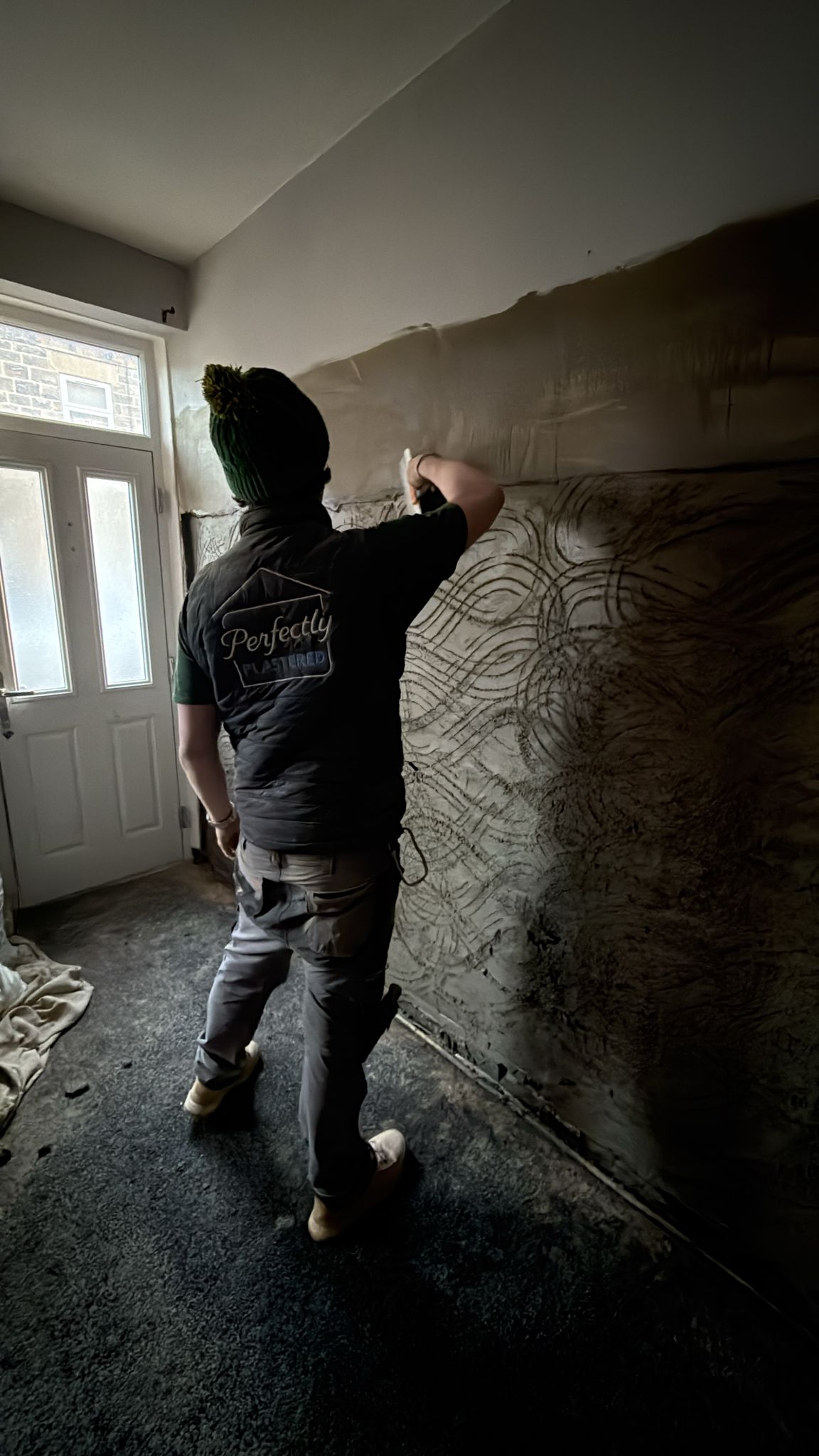
  • Application of the chosen plaster system
  • New skirting boards fitted where required
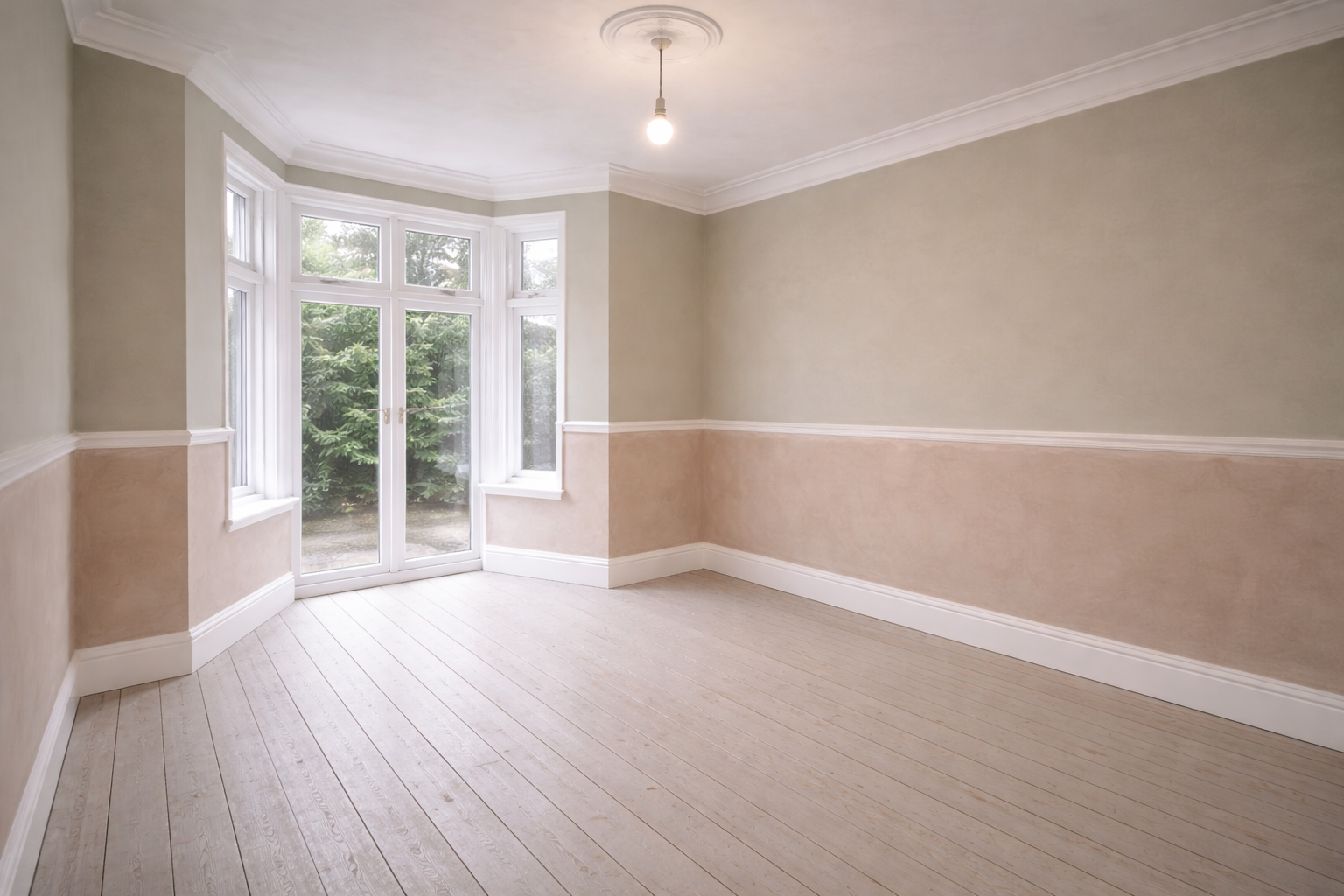
  • Clean, professional finish ready for decoration

Because we handle both the damp treatment and the plastering, there’s no finger-pointing between trades — one team, one responsibility.

damp-proofing-job-completion

Recent Rising Damp Work in York

We regularly carry out rising damp treatments across York and surrounding areas, including terraced homes and older properties.

Recent examples include:

  • Rising damp treatment with lime plaster renovation in York

  • Internal wall damp repair with membrane system

  • Full damp-proofing and replastering of ground floor rooms

What to expect

Book a Rising Damp Survey in York

If you’re concerned about rising damp, the first step is a proper survey — not assumptions.

We offer honest, practical advice and will only recommend work that is genuinely required.

01

Consultation

Free initial advice & booking

02

Survey

Detailed inspection & report

03

Treatment

Tailored damp proofing solutions

04

Aftercare

Ongoing support & peace of mind

We deal with rising damp, penetrating damp, condensation issues, and basement waterproofing. Our team finds the root cause and applies the right solution for lasting results.

Yes — we offer free, no‑obligation surveys. One of our specialists will assess your property and explain the best treatment options.

Our damp‑proofing systems are backed by long‑term guarantees. Once treated properly, you won’t need to worry about the issue returning.

Absolutely. We work on residential properties, commercial buildings, and rental homes. No job is too small or too large.

We aim to respond to enquiries the same day and can often arrange a survey within 24–48 hours. Emergency call‑outs are available.

We keep disruption to a minimum. Our team protects your property, carries out the work cleanly, and tidies up after completion