
Penetrating Damp Treatment & Repair
Professional Diagnosis and Long-Term Solutions
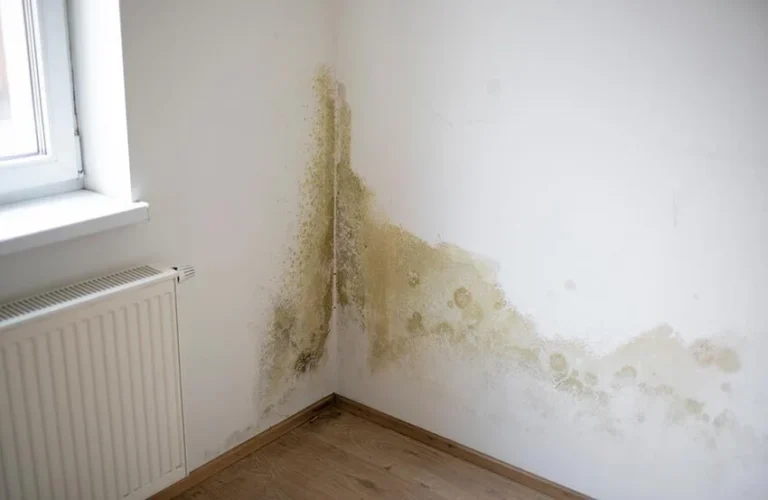
Penetrating damp occurs when water enters a property horizontally through walls, roofs or structural defects, rather than rising from the ground. Unlike rising damp, penetrating damp is usually caused by external faults that allow rainwater or groundwater to pass directly into the building fabric.
If left untreated, penetrating damp can damage plaster, insulation, timber and masonry, leading to mould growth, heat loss and structural deterioration.
How penetrating damp develops
Penetrating damp forms when external water overwhelms a wall or structure’s ability to repel moisture. This typically happens when defects allow repeated wetting of masonry or when earth-retaining walls are not adequately protected.
Once water enters the wall, it migrates internally, appearing as damp patches, staining, blistering plaster or mould growth. Because the source is external, penetrating damp often worsens during periods of heavy or persistent rainfall.
Common causes of penetrating damp
External building defects
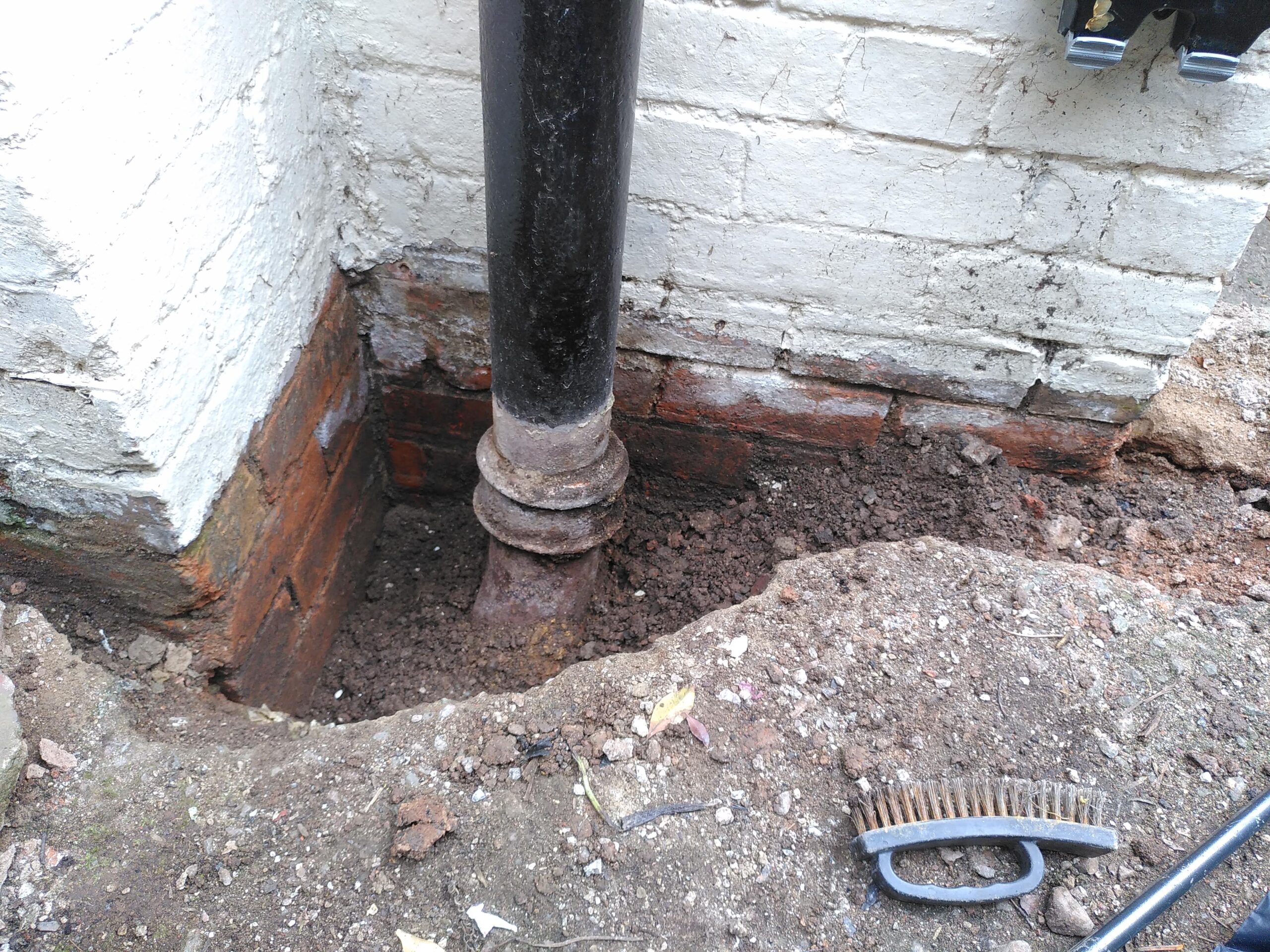
Many cases of penetrating damp are caused by faults in the building envelope, including:
-
Broken or missing roof tiles
-
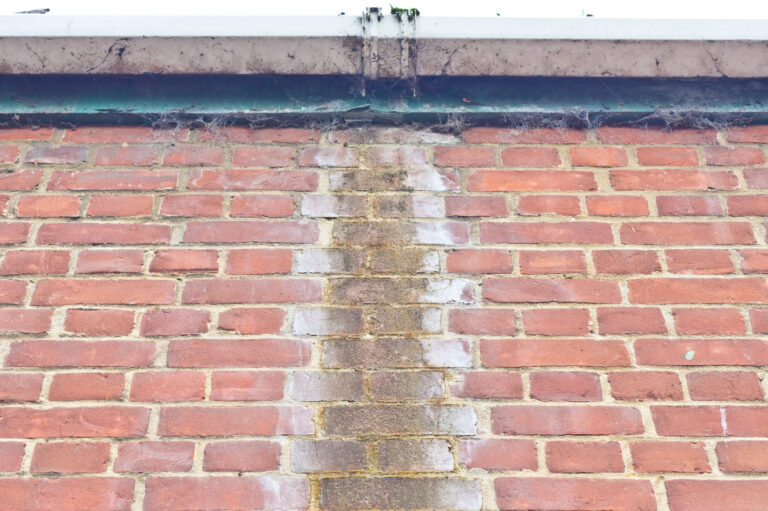
Leaking or blocked gutters and downpipes
-
Cracked or damaged external render
-
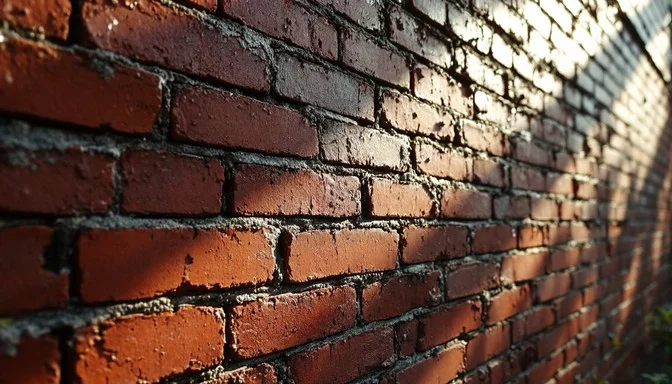
Defective brickwork or mortar joints
-
Poorly sealed windows or doors
-
Failed flashing or roof junctions
Even minor defects can allow significant volumes of water into a wall over time. These issues must be corrected before any internal repairs will succeed.
- All
- Damp Proofing
Earth-retaining and below-ground walls
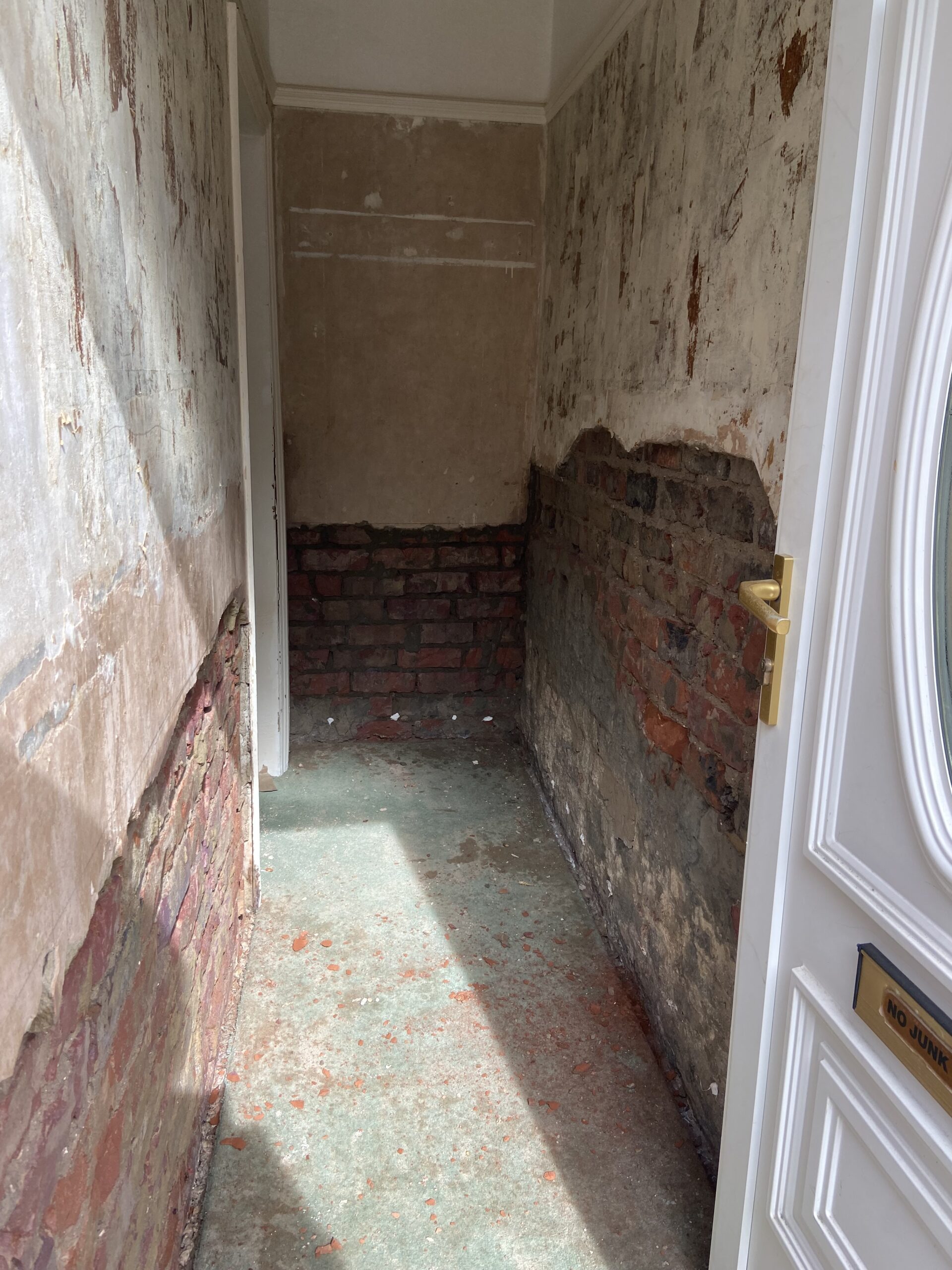
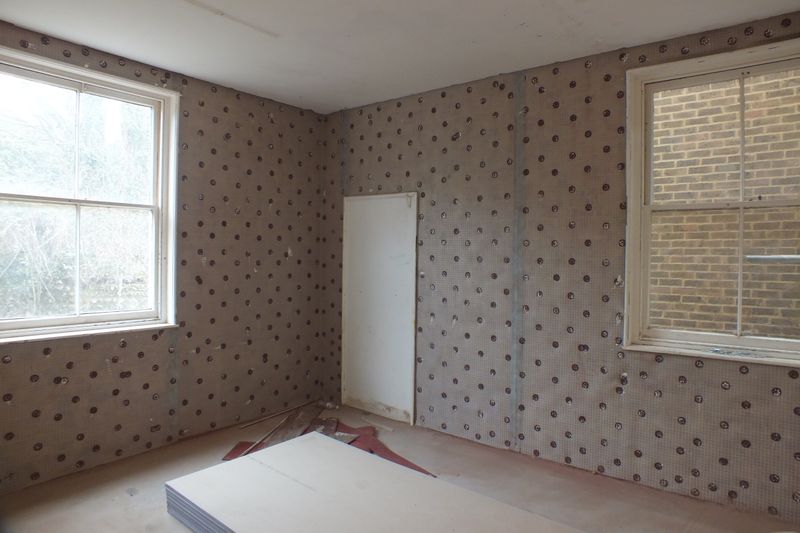
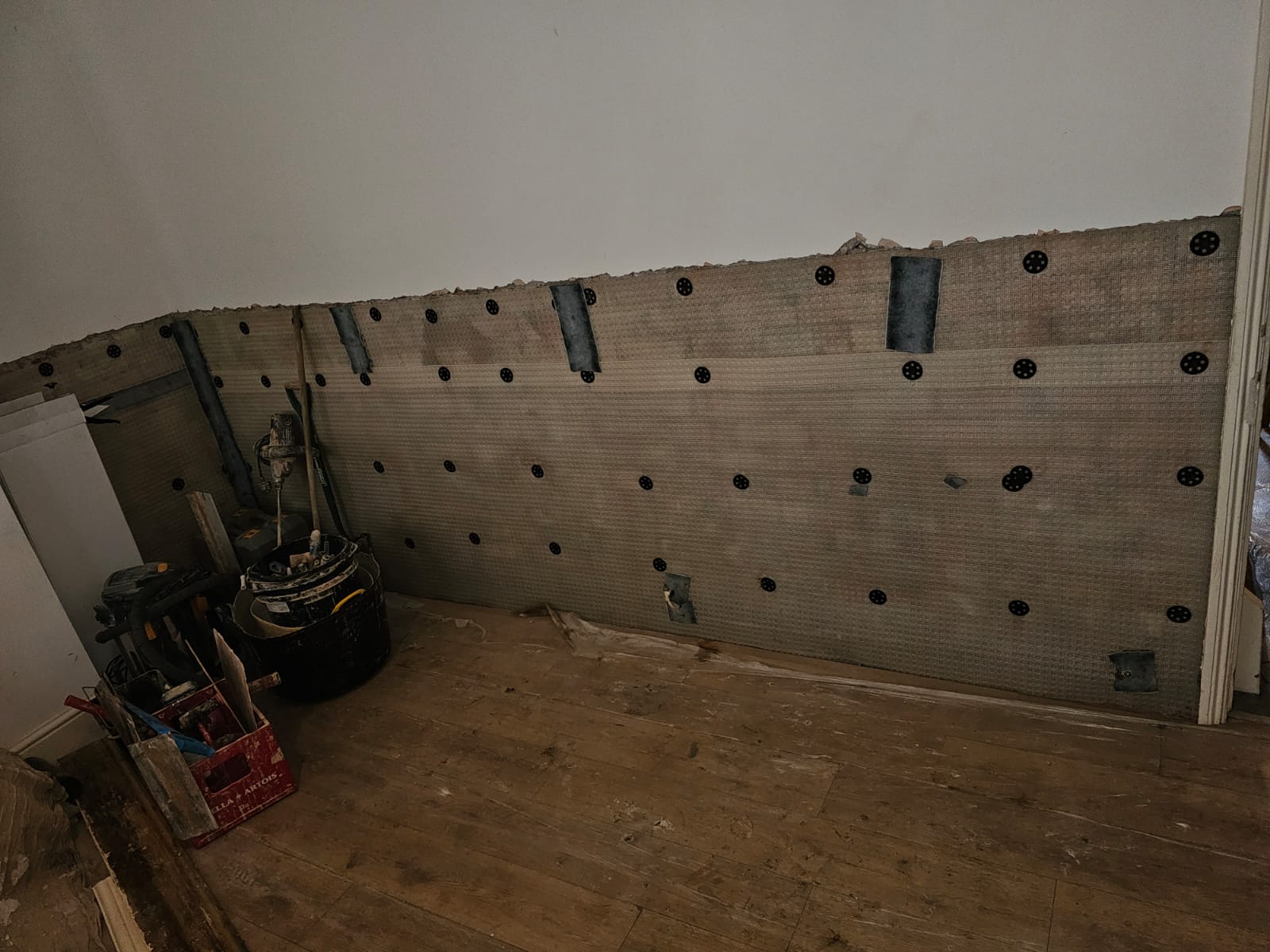
Basement walls and other earth-retaining structures are under constant moisture pressure from surrounding ground. Without an effective waterproofing system, water can pass directly through masonry and appear internally.
In these cases, surface repairs alone are ineffective. Long-term protection usually requires a waterproof barrier or cavity drainage system designed to manage and redirect moisture safely.
Persistently exposed masonry
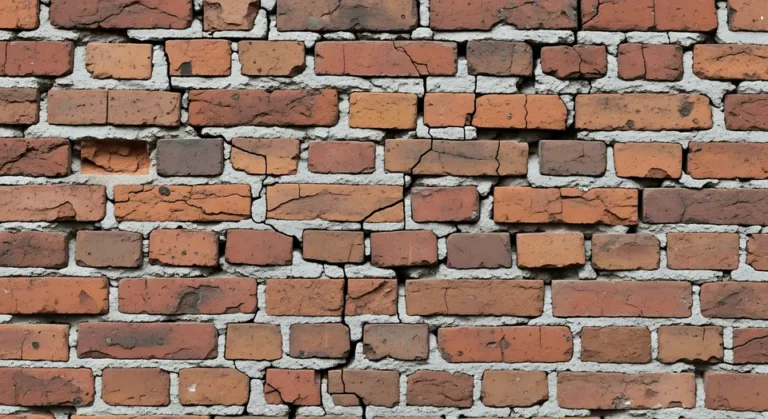
Walls exposed to prevailing weather, driving rain or coastal conditions can absorb moisture through porous brick or stone. Over time, repeated saturation allows water to migrate internally, particularly where masonry is aged or poorly maintained.
In these situations, breathable masonry protection treatments can reduce water absorption while allowing trapped moisture to evaporate safely.
Signs of penetrating damp
Penetrating damp often presents as:
-
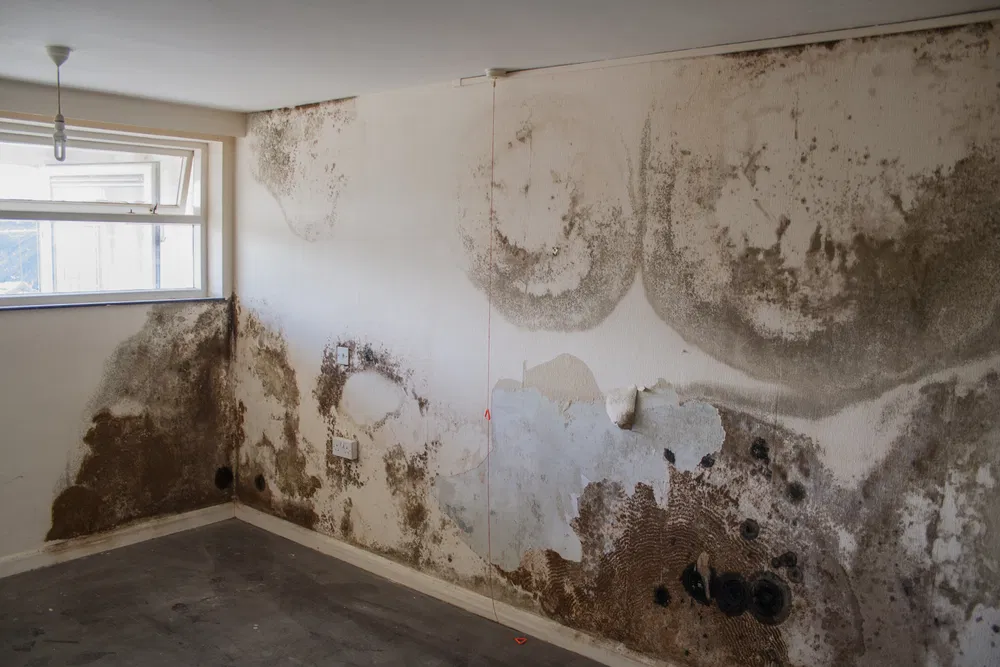
Isolated damp patches on walls or ceilings
-
Blistering or bubbling plaster
-
Staining that worsens after rainfall
-
Mould growth on external-facing walls
-
Damp around windows, doors or chimney breasts
Unlike rising damp, penetrating damp does not follow a uniform height pattern and is often localised to the point of water entry.
Why accurate diagnosis is critical
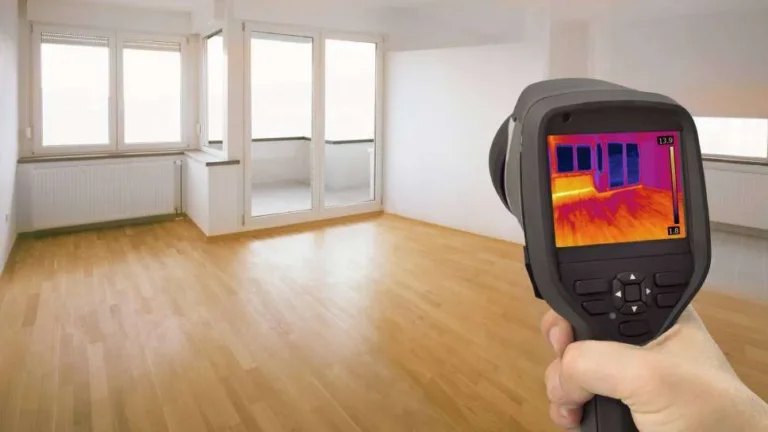
Penetrating damp is frequently misdiagnosed as rising damp or condensation. Treating the wrong problem can result in unnecessary damp-proof courses, replastering or repeat failures.
A professional survey is essential to:
-
Identify the true moisture source
-
Confirm external versus internal causes
-
Prevent ineffective or excessive remedial work
We always recommend diagnosis before treatment.
Penetrating damp treatment options
Treatment depends entirely on the cause and severity of the problem. Solutions may include:
-
Repair or replacement of defective external components
-
Masonry repairs and repointing
-
Waterproofing of earth-retaining walls
-
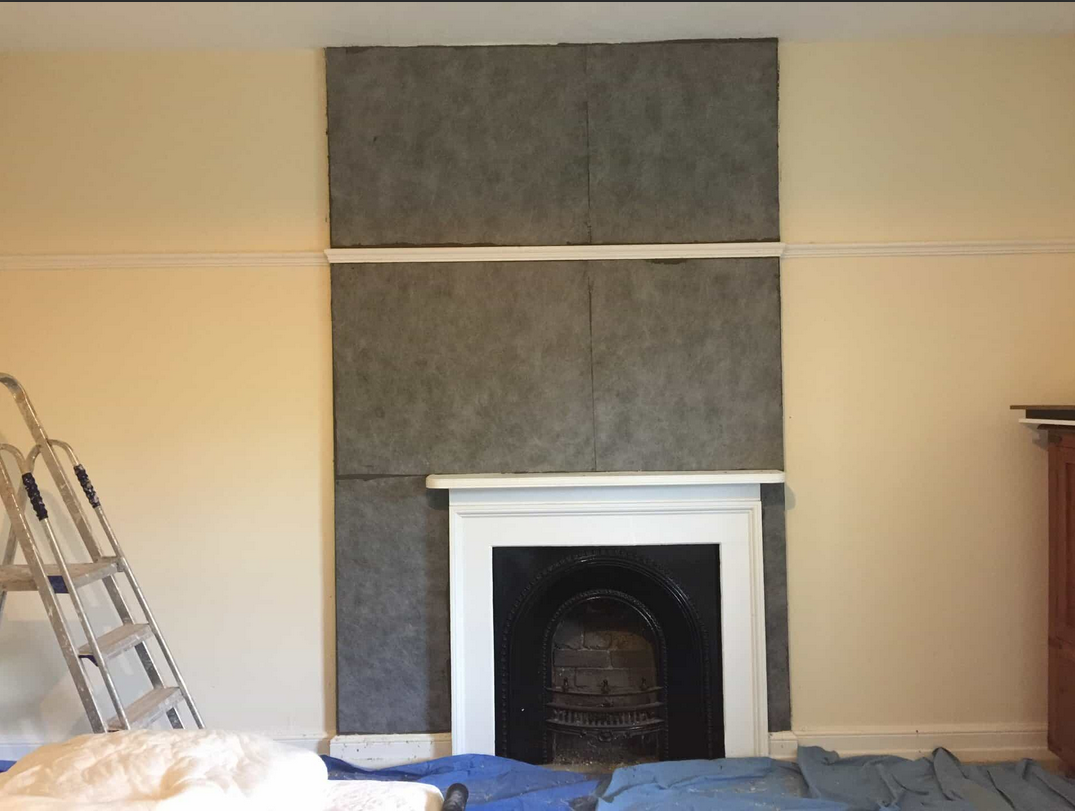
Installation of cavity drainage membranes
-
Application of breathable masonry protection
-
Internal repairs once moisture ingress is controlled
Unlike rising damp, penetrating damp does not follow a uniform height pattern and is often localised to the point of water entry.
What to expect
Our Simple 4-Step Damp Proofing Process
Clear, professional, and hassle-free damp solutions from start to finish.
01
Consultation
Free initial advice & booking
02
Survey
Detailed inspection & report
03
Treatment
Tailored damp proofing solutions
04
Aftercare
Ongoing support & peace of mind
When to arrange a penetrating damp inspection
You should arrange a professional inspection if:
-
Damp patches worsen after rainfall
-
Internal repairs have failed previously
-
You suspect basement or retaining wall moisture
-
Mould is forming on external-facing walls
-
You are buying or selling a property with visible damp
Unlike rising damp, penetrating damp does not follow a uniform height pattern and is often localised to the point of water entry.

We deal with rising damp, penetrating damp, condensation issues, and basement waterproofing. Our team finds the root cause and applies the right solution for lasting results.
Yes — we offer free, no‑obligation surveys. One of our specialists will assess your property and explain the best treatment options.
Our damp‑proofing systems are backed by long‑term guarantees. Once treated properly, you won’t need to worry about the issue returning.
Absolutely. We work on residential properties, commercial buildings, and rental homes. No job is too small or too large.
We aim to respond to enquiries the same day and can often arrange a survey within 24–48 hours. Emergency call‑outs are available.
We keep disruption to a minimum. Our team protects your property, carries out the work cleanly, and tidies up after completion
Get in touch
Book a professional penetrating damp survey
If you believe penetrating damp is affecting your property, the safest first step is a professional damp survey. Correct diagnosis ensures the right solution — and avoids unnecessary work.
-
Free quotes
-
Emergency call-outs
-
Local, reliable team