
Is Woodworm Harmful: Assessing Risks, Signs and Safe Treatment Options

If you spot signs of woodworm in your home, it’s sensible to treat the problem seriously even though the insects themselves do not bite, sting or transmit disease to people. Their larvae and adult beetles cause timber to weaken over time, and that decay can undermine the safety and usability of floors, joists, beams and furniture if left unchecked.
An active infestation often points to excess moisture or poor ventilation, conditions that can encourage mould and other secondary hazards. Addressing woodworm promptly reduces the risk of structural failure and helps prevent the damp-related problems that can affect your comfort and the condition of your home.
What is Woodworm?
Woodworm are the larvae of several species of wood-boring beetles that feed on timber. They are not worms but immature beetles that hatch from eggs laid on or inside wood.
You may not notice an infestation for years because the larvae tunnel internally as they feed, weakening beams and furniture. The common early sign you will spot is tiny round exit holes where adult beetles have emerged.
- Cause: beetle eggs in wood
- Damage: internal tunnels, weakened timber
- Visible sign: small exit holes
Is Woodworm Dangerous to Humans?
Parasites that Live Alongside Infested Wood
Woodworm itself rarely harms people directly, but the damaged wood can attract other tiny pests. Mites and parasitic insects may colonise weakened or dusty timber, and prolonged exposure can trigger allergic reactions in sensitive individuals. If you already have asthma or breathing problems, the extra dust and particles from infested wood can make symptoms worse.
Damp, Mould and Related Health Risks
Areas prone to woodworm often suffer from poor ventilation and damp, conditions that encourage mould growth. Mould spores can cause coughing, sneezing, eye irritation and worsen asthma or allergies. You should treat both the infestation and the underlying damp to reduce respiratory risks.
How Structural Weakness Affects Safety
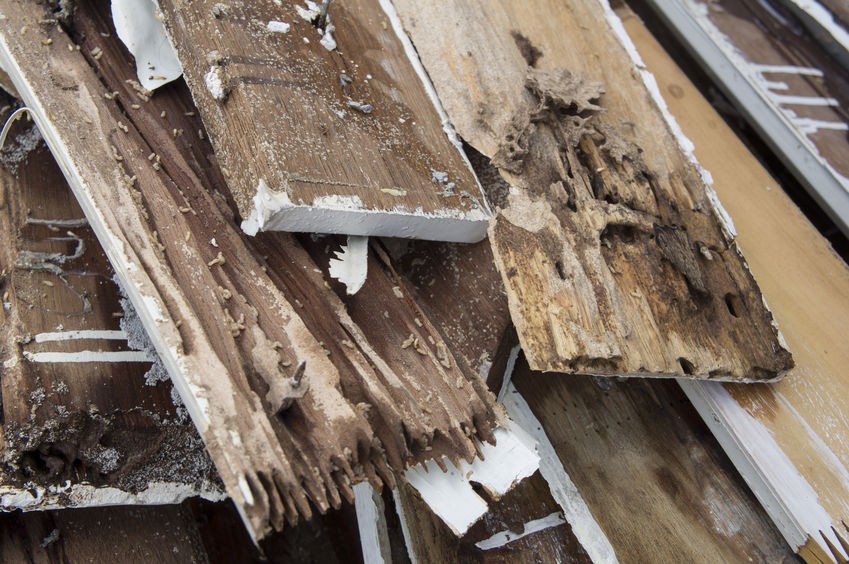
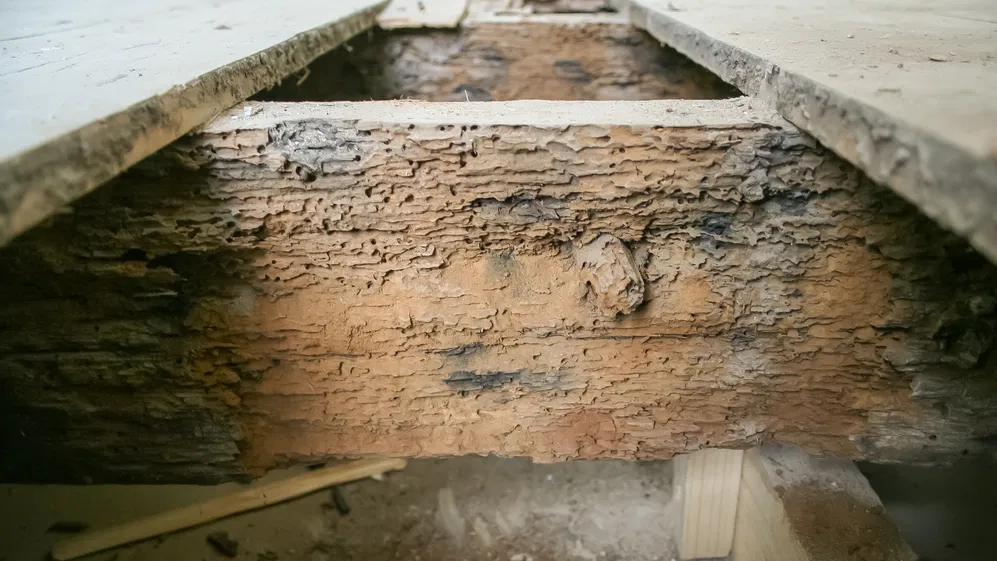
Left untreated, woodworm larvae can progressively weaken beams, joists, floorboards and other load-bearing timber. That weakening can create safety hazards such as sagging floors, unstable staircases or, in extreme cases, partial collapse. If you suspect major structural damage, arrange a professional inspection before using the affected area.
Damage to Furniture and Household Items
Woodworm can ruin wooden furniture, especially untreated or antique pieces. Infested items may develop exit holes, cracking and internal tunnelling that compromises strength and appearance. Damaged furniture can become unsafe to use and may present sharp edges or unstable parts that could injure you or your family.
Effects on Children and Pets
Children and pets face higher risk from the indirect consequences of woodworm. Unstable floors or broken furniture increase trip and fall hazards for small children. Pets may chew or investigate damaged wood and could ingest wood splinters, treatment residues or dust that irritate the gut or airways. Keep vulnerable household members away from suspected infestation sites and seek professional advice on safe treatment options.
- If you notice powdery dust, small round exit holes, or a musty damp smell, treat the cause promptly.
- Prioritise fixing damp and improving ventilation alongside any insect treatment.
- Hire a qualified surveyor or remediation specialist for structural concerns or valuable furniture.
How to Spot and Treat Woodworm
Look for tiny, round exit holes on exposed timber and a fine, powdery dust (frass) beneath or around them. You may also notice weakened, flaky or crumbling wood and dead beetle bodies on window sills during warmer months.
If you find these signs, act quickly. For small, superficial infestations you can apply a suitable woodworm-specific insecticide yourself, following the product instructions and safety guidance. For widespread or structural infestations, engage a qualified pest-control professional to assess and treat the problem.
Complement chemical treatment by addressing moisture and airflow: fix leaks, improve ventilation, and use dehumidifiers where needed. Dry, well-ventilated timber is far less attractive to wood-boring beetles.
Keep a simple checklist to monitor treated areas: record hole counts, take dated photos, and recheck every few months during the active season. If new holes or fresh frass appear, arrange a follow-up inspection promptly.
Frequently Asked Questions
Can woodworm weaken a building’s timber?
Yes. Larvae of wood-boring beetles tunnel through timber as they feed, which reduces the wood’s strength over time. Superficial damage to furniture is common, but repeated or heavy infestation in structural joists, beams or roof timbers can compromise load-bearing capacity and require repair or replacement.
How do you spot woodworm in household furniture?
Look for small, round exit holes (usually 1–3 mm across) and a powdery dust called frass near or below the hole. Other signs include discoloured or soft patches, loose joints, and, in active cases, fresh frass or tiny beetles emerging in warmer months. Old infestations leave neat holes without fresh dust.
Can an infestation move from one wooden item to another?
Yes. Beetles can lay eggs on nearby timber, so untreated infested wood may spread to adjacent furniture, floorboards or structural timbers. The risk increases where untreated timber neighbours accessible or vulnerable wood and where environmental conditions (damp, poor ventilation) favour larvae development.
What treatments work against woodworm?
Common treatments include surface-applied insecticidal preservatives, targeted injection into visible galleries, and fumigation for severe, widespread infestations. Timber replacement is necessary where structural integrity is lost. Choose a treatment based on species, infestation extent and timber use; consult a qualified pest control or conservation specialist for significant or historic wood.
Do woodworms pose health risks to people in the home?
Generally no. Wood-boring beetles mainly damage timber and are not known to bite or transmit disease to humans. However, fine frass can irritate eyes or respiratory systems in sensitive individuals, so wear masks and vacuum or wet-clean affected areas during removal.
What steps help prevent woodworm in your property?
Keep timber dry and well ventilated; fix leaks and maintain consistent indoor humidity. Store firewood off the ground and away from the house. Inspect lofts, basements and old furniture regularly for early signs. Apply preservative treatments to vulnerable or newly installed timber and follow a scheduled inspection plan for older buildings.
