
Dry Rot Treatment & Structural Timber Repairs
Professional Identification, Removal and Long-Term Prevention
Dry rot is one of the most destructive forms of timber decay found in buildings. Caused by the fungus Serpula lacrymans, dry rot feeds on timber that has been exposed to persistent moisture and, if left untreated, can spread rapidly through floors, walls and concealed voids.
Unlike many other forms of fungal decay, dry rot is capable of spreading beyond its original moisture source, allowing it to affect large areas of a property. Early identification and correct treatment are essential to prevent serious structural damage and costly repairs.
What is dry rot?
Dry rot is a fungal decay that breaks down the cellulose within timber, destroying its strength and load-bearing capacity. Although it requires moisture to start growing, once established it can continue spreading through timber, plaster and masonry in search of new material.
The fungus produces thread-like growths (hyphae) that allow it to cross non-timber materials, which is why dry rot can move from one room to another and affect multiple structural elements.
Dry rot can occur in properties of any age and is commonly associated with:
-
Long-term damp
-
Poor ventilation
-
Hidden leaks
-
Rising or penetrating damp

Why dry rot is a serious structural risk
Dry rot is particularly dangerous because:
-
It weakens structural timbers such as joists, floorboards, beams and roof timbers
-
Damage often occurs out of sight, beneath floors or behind walls
-
The fungus spreads quickly if moisture remains present
-
Structural failure can occur without obvious surface warning
If untreated, dry rot can make parts of a building unsafe or uninhabitable.
- All
- Damp Proofing
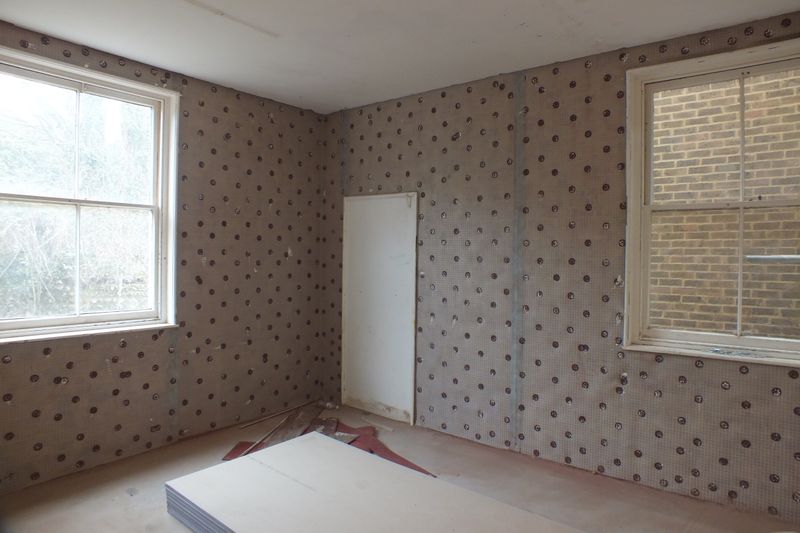
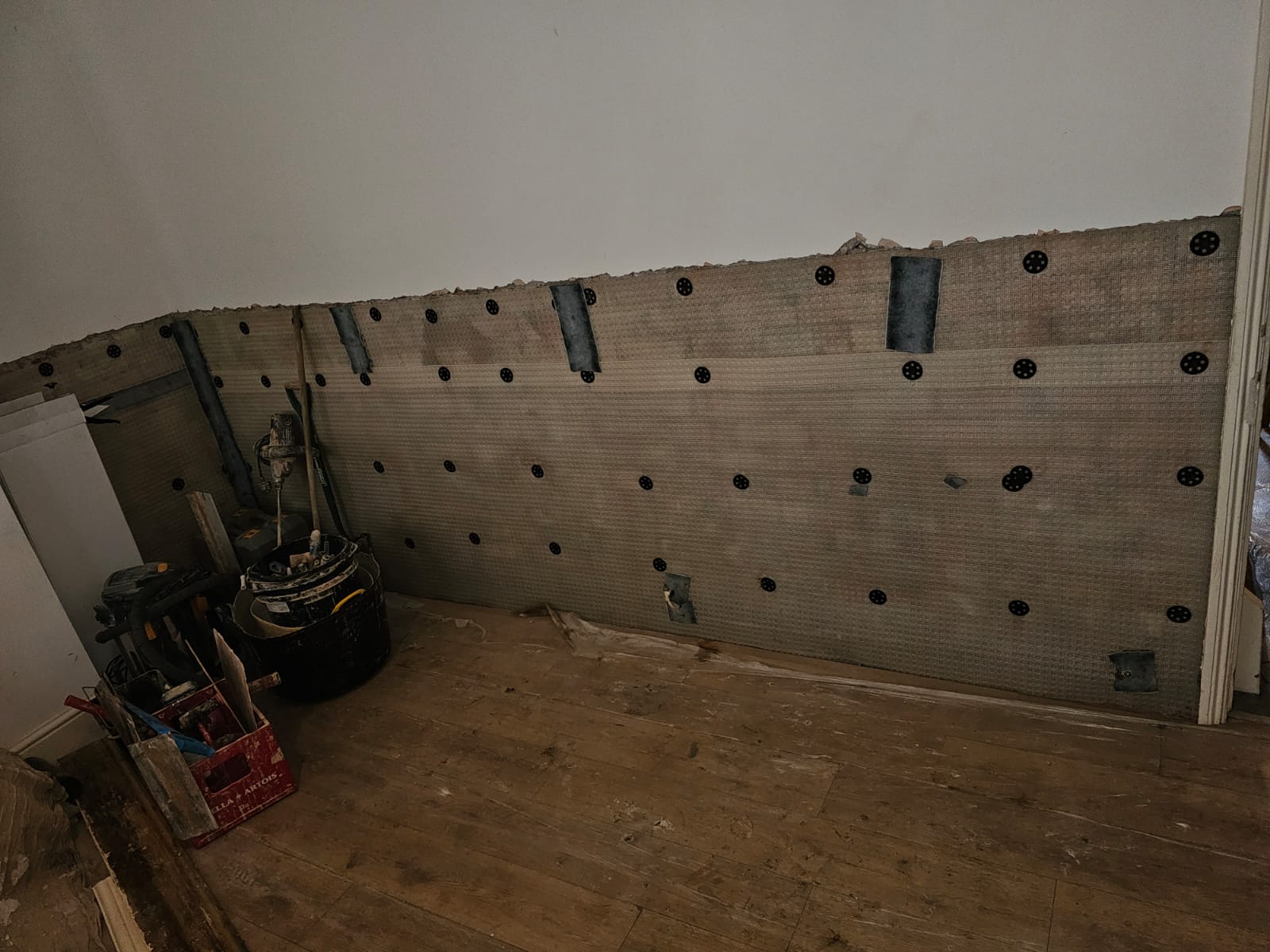
What causes dry rot?
Dry rot only develops when timber remains damp for an extended period. The most common underlying causes include:
Water ingress and leaks
Roof leaks
Faulty guttering or downpipes
Plumbing leaks
Penetrating damp through walls
Poor ventilation
Blocked or missing air bricks
Inadequate sub-floor ventilation
Sealed voids trapping moisture
Condensation
High indoor humidity
Cold surfaces in poorly ventilated spaces
Cellars and basements
Damp proof course problems
Failed or missing DPC
Bridged DPC allowing moisture to reach timber
Rising or penetrating damp
Ground moisture entering walls and floor timbers
Defective external building fabric
Common signs of dry rot
Dry rot is not always obvious, but common indicators include:
-
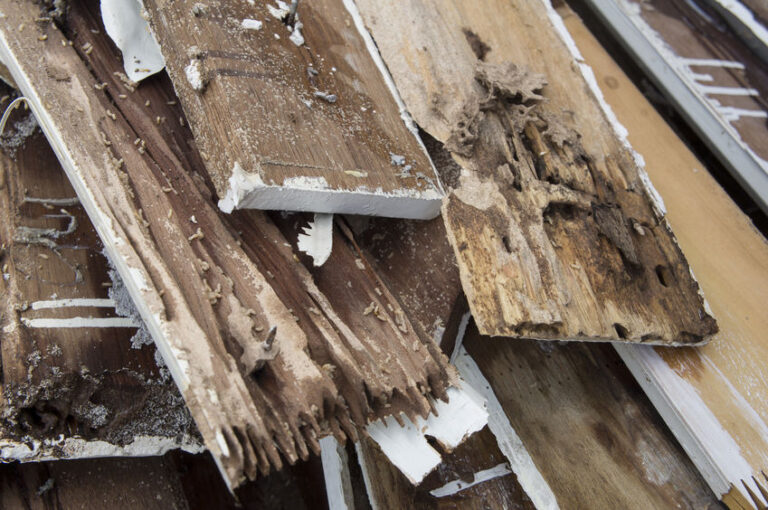
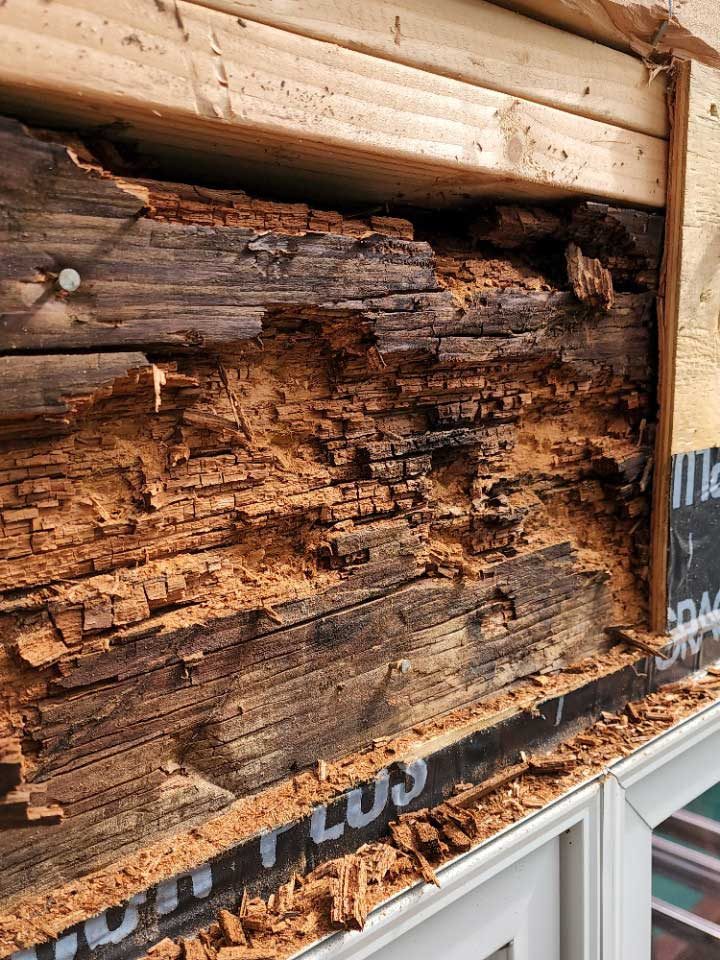
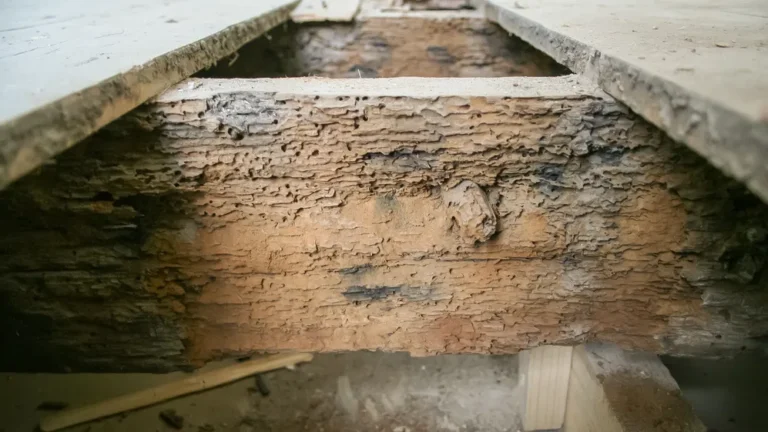
Darkened, brittle or crumbly timber
-
Cuboidal cracking or deep fractures in wood
-
Timber that sounds hollow when tapped
-
A persistent musty or mushroom-like smell
-
White or grey cotton-wool-like fungal growth
-
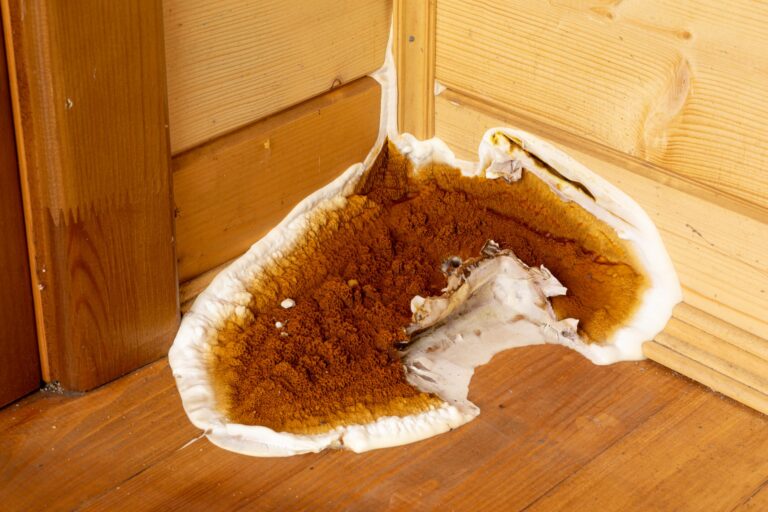
Rust-coloured or orange spore dust
-
Shrinking or cracking plaster near timber
-
Brick-red “pancake-like” fruiting bodies
These signs can sometimes be confused with other timber defects — professional inspection is essential for confirmation.
What happens if dry rot is left untreated?
If dry rot is not addressed promptly, consequences may include:
Structural instability
-
Sagging or collapsing floors
-
Weakened roof structures
-
Unsafe load-bearing timbers
Damage beyond timber
-
Cracked plaster and masonry
-
Spread through walls and voids
-
Escalating repair scope
Health and living risks
-
Damp environments linked to respiratory problems
-
Increased mould growth
-
Unsafe living conditions
Reduced property value
-
Flagged in surveys and mortgage inspections
-
Buyer hesitation or price reductions
-
Costly remedial works required before sale
How dry rot is treated properly
Effective dry rot treatment follows a strict, staged process:
1. Identify and eliminate moisture
The source of damp must be located and resolved first — whether from leaks, ventilation issues, rising damp or penetrating damp.
2. Remove affected materials
Severely decayed timber is cut out and safely removed
Timber is typically removed at least 600mm beyond visible infection
Contaminated plaster or finishes are stripped where necessary
3. Treat surrounding areas
Remaining timber and masonry are treated with specialist fungicidal solutions
Barriers may be installed where full access is not possible
4. Timber replacement and protection
New structural timbers are pre-treated against fungal attack
Repairs are carried out to restore structural integrity
5. Prevent recurrence
Ventilation improvements
Damp proofing repairs
Moisture management measures
Dry rot treatment without moisture control will fail — prevention is as important as removal.
When to book a dry rot inspection
You should arrange a professional survey if:
-
You notice decaying or brittle timber
-
Floors feel soft, uneven or creaky
-
There is a persistent damp or musty smell
-
Damp has been present long-term
-
You are buying or selling a property with timber concerns
Early diagnosis can significantly reduce repair costs.

What to expect
Our Simple 4-Step Damp Proofing Process
Clear, professional, and hassle-free damp solutions from start to finish.
01
Consultation
Free initial advice & booking
02
Survey
Detailed inspection & report
03
Treatment
Tailored damp proofing solutions
04
Aftercare
Ongoing support & peace of mind
We deal with rising damp, penetrating damp, condensation issues, and basement waterproofing. Our team finds the root cause and applies the right solution for lasting results.
Yes — we offer free, no‑obligation surveys. One of our specialists will assess your property and explain the best treatment options.
Our damp‑proofing systems are backed by long‑term guarantees. Once treated properly, you won’t need to worry about the issue returning.
Absolutely. We work on residential properties, commercial buildings, and rental homes. No job is too small or too large.
We aim to respond to enquiries the same day and can often arrange a survey within 24–48 hours. Emergency call‑outs are available.
We keep disruption to a minimum. Our team protects your property, carries out the work cleanly, and tidies up after completion
Get in touch
Book a professional dry rot survey
Dry rot is not a cosmetic issue — it is a structural threat. A professional inspection ensures accurate diagnosis, targeted treatment and long-term protection of your property.
-
Free quotes
-
Emergency call-outs
-
Local, reliable team