
Difference Between Damp Condensation Mould: Clear Guide to Causes, Risks and Remediation

Moisture problems such as damp, condensation and mould can harm both your health and the condition of your home. Knowing how to spot the signs and understand the causes helps you take the right steps to protect your living space.
This guide will help you recognise the different types of dampness and mould so you can identify which issue you’re facing and decide on practical actions to fix it.

Definitions of damp, condensation and mould
How damp, condensation and mould connect
Damp describes excess water within a building’s fabric. It can come from water rising up through porous walls or from moisture penetrating through external defects, and each route affects different parts of the structure.
Rising damp occurs when moisture from the ground moves upward through brickwork or masonry by capillary action. You’ll often see damaged skirting boards, tide marks on walls and rotting timber where this happens.
Penetrating damp happens when water enters horizontally from outside, for example through damaged roof tiles, cracked pointing or earth against basement walls. You may notice damp patches, peeling paint or plaster on the lower parts of walls and around leak points.
Condensation forms when warm, moisture-laden air hits cooler surfaces and releases water as droplets. It commonly appears on windows, cold external walls and behind furniture where airflow is restricted, and it’s most frequent in poorly ventilated, humid rooms.
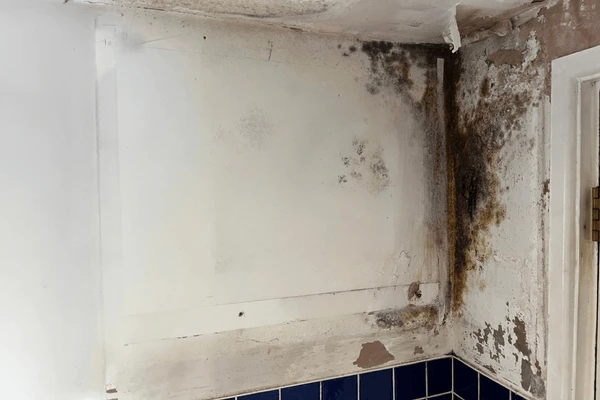
Mould is a fungus that requires moisture to grow and feeds on organic materials like wood, plaster and fabrics. It typically follows persistent damp or repeated condensation and shows as discoloured patches, fuzzy growths or a musty smell.
You should treat each issue differently because their origins and remedies vary. However, they interact: condensation and other forms of damp supply the moisture mould needs, while mould can indicate unresolved moisture problems.
Signs to watch for
- Visible patches on walls or ceilings (brown, yellow or black).
- Peeling or blistering paint and plaster.
- Wet or crumbling skirting boards and floor joists.
- Beads of water on windows or damp behind wardrobes.
- Persistent musty odours and allergy-like symptoms in occupants.
Why they form together
- Shared moisture source: All three depend on excess water or humidity in the building.
- Environmental conditions: Poor ventilation, inadequate heating and structural defects create the conditions for condensation, rising or penetrating damp, and then mould.
- Feedback loop: Moisture encourages mould growth; mould can retain moisture and worsen damp conditions, making it harder to break the cycle.
Practical distinctions at a glance
| Feature | Rising damp | Penetrating damp | Condensation | Mould |
|---|---|---|---|---|
| Direction of movement | Upwards | Horizontally | Localised surface condensation | Growth on damp surfaces |
| Typical location | Lower walls, skirting | Basement walls, around defects | Windows, cold walls, behind furniture | Any damp/porous surface |
| Common signs | Tide marks, damaged skirting | Isolated wet patches, staining | Water droplets, damp patches after cooking/bathing | Black/green/grey patches, musty smell |
| Primary cause | Ground moisture, failed DPC | External water ingress | Humid air contacting cold surfaces | Persistent moisture + organic material |
Actions to consider
- Improve ventilation: Use extractor fans, trickle vents and open windows briefly to reduce indoor humidity.
- Control heating: Maintain steady background heating to reduce cold surfaces where condensation forms.
- Fix defects: Repair roofing, pointing and drains; ensure ground levels and DPCs are adequate.
- Remove mould safely: Clean small areas with appropriate detergents and dry thoroughly; for extensive growth seek professional help.
You should address moisture sources and the visible symptoms together. Tackling only the surface signs without fixing the underlying moisture will allow problems to return.

How to recognise different types of damp in your home
Distinguishing wet rot from dry rot in timber affected by moisture
Wet rot appears where timber stays continuously damp. You’ll find soft, darkened wood that crumbles under pressure, often close to the source of water such as a leaking pipe, rising damp at low levels, or poorly ventilated areas.
Dry rot causes more extensive destruction and can spread beyond the original wet area, producing dry, brittle wood with a dusty or crumbly texture and sometimes a mushroom-like fungal growth and an unmistakable musty odour.
What to look for:
- Wet rot: spongy, swollen or darkened timber; localised to permanently wet zones.
- Dry rot: extensive cracking, cuboidal timber fragments, fungal strands (mycelium) and a sharp, damp smell.
If you suspect either, get a damp-proofing or timber specialist to inspect and confirm the diagnosis.
How to spot condensation rather than other moisture problems
Condensation forms when moist warm air meets a cold surface, so you’ll usually see beads of water on windows, mirror surfaces, or cold walls and behind furniture. It is often seasonal or weather-related and tends to clear when rooms are warmed or ventilated.
Other damp types show persistent stains, plaster or wallpaper that degrades, or damp patches that do not evaporate with heat.
Quick checks:
- Presence of water droplets or wet film that reappears during cold weather = likely condensation.
- Damp that sits low on walls, forms a tide mark, or recurs after rainfall = consider rising or penetrating damp.
- Random, isolated wet patches or damp near roofs/windows = likely penetrating damp from external defects.
Improve ventilation, use extractor fans, and reduce indoor humidity to address condensation; structural repairs are needed for rising or penetrating damp.
How mould links to different kinds of damp and where it appears
Mould needs moisture, organic matter and suitable temperatures; damp supplies the moisture and often the nutrients (rotting wood, wallpaper, plaster). You’ll usually see mould as dark or coloured patches on walls, ceilings, window frames or behind furniture where air does not circulate.
Condensation-driven damp often produces surface mould in bathrooms, kitchens and on cold external walls. Rising or penetrating damp creates more persistent mould problems because the moisture is constant and can also carry salts that damage plaster, making surfaces more vulnerable.
Practical signs and actions:
- Surface mould with seasonal fluctuation → likely condensation; improve ventilation and wipe surfaces with a fungicidal cleaner.
- Persistent mould with plaster decay or salt deposits → investigate for rising or penetrating damp and arrange professional repairs.
Treat both the moisture source and the mould itself; removing mould without fixing the damp allows regrowth.
What causes damp, condensation and mould?
Moisture build-up inside your home starts most problems: water entering the fabric, rising through foundations, or vapour trapped indoors.
Common triggers you can check:
- Building faults: cracked roof tiles, damaged brickwork or blocked gutters let rainwater in.
- Failed damp-proofing: missing or degraded barriers let groundwater migrate up walls.
- Poor ventilation: kitchens, bathrooms and laundry areas that lack extractor fans or vents hold humid air.
- Low, uneven heating: cold surfaces encourage vapour to condense and create damp patches that support mould.
Act on these causes promptly to reduce recurrence and protect your property.
How to protect your home from damp and mould
Speak with a specialist today
If you spot mould, damp patches or persistent condensation, arrange an inspection with a qualified surveyor. They will identify whether the issue is rising damp, penetrating damp, condensation or fungal decay, and recommend targeted remedies — for example, damp-proof membranes, waterproof coatings, improved ventilation or timber treatments.
Before the visit, note where moisture appears, when it’s worst and any visible damage to skirting, joists or plaster. Photographs and brief notes help the assessor give accurate initial advice and prioritise urgent repairs.
Ask the specialist about both immediate fixes and long-term prevention. Typical measures include:
- Mechanical ventilation (extractor fans in kitchens and bathrooms)
- Improving insulation and consistent heating to reduce condensation
- Repairing roof tiles, guttering and external brickwork to stop water ingress
- Damp‑proof membranes or chemical damp courses for rising damp
- Specialist treatments for rot and woodworm where timber is affected
Request a written report and costed options so you can compare recommendations. Check the contractor’s qualifications, guarantees and reviews before you commit. If they propose chemical or structural work, confirm the expected lifespan of the solution and any maintenance you must carry out.
Keep a record of inspections, repairs and any warranty paperwork. Regular maintenance—clearing gutters, testing ventilation and checking for new stains—helps you catch recurrence early and protects your property value.
Frequently Asked Questions
What makes mould develop inside a home?
Mould grows when spores land on surfaces that stay damp and have an organic food source, like plaster, wood, wallpaper or soft furnishings. Common contributors include persistent leaks, high indoor humidity, poor ventilation and cold surfaces that encourage condensation. If you notice discolouration, a musty smell or black/green patches, inspect for ongoing moisture sources.
How do you distinguish damp from condensation?
Damp from building defects (rising or penetrating damp) usually appears as damp patches at a consistent location, often with salt stains, degraded plaster or wet skirting boards. Condensation forms as water droplets on cold surfaces — windows, metal pipes or external walls — and tends to vary with activities (cooking, showering) and weather. Check patterns and timing: condensation is intermittent and linked to humidity, while structural damp is persistent and more localised.
What health problems can mould cause in homes?
Exposure to mould can trigger respiratory irritation, coughing, sneezing, and worsening of asthma or allergies in sensitive people. Some occupants may experience eye irritation, skin rashes or persistent nasal congestion. You should seek medical advice if symptoms are severe, prolonged or affect vulnerable household members such as young children, older people or those with respiratory conditions.
How does condensation promote mould growth?
Condensation leaves thin films of moisture on walls, windows and fabrics when warm, humid air meets cooler surfaces. Recurrent or prolonged damp patches provide the moisture mould needs to colonise and spread. Without adequate drying or ventilation, these wet surfaces become breeding grounds for mould spores to multiply.
Which measures best prevent damp in buildings?
Control moisture sources and improve air movement:
- Ventilate rooms where moisture forms (use extractor fans, open windows briefly during and after cooking/showering).
- Reduce indoor humidity (use dehumidifiers, avoid drying large amounts of laundry indoors).
- Keep heating at a low, steady level to avoid cold surfaces.
- Repair leaks, ensure gutters and downpipes work, and maintain good external drainage.
- Insulate cold walls and floors where possible to reduce surface condensation.
What is the safest way to clear damp and mould from a property?
For small areas (under about 1m²), clean hard surfaces with appropriate mould cleaner or diluted bleach following manufacturer guidance, wearing gloves and a mask, and ensure good ventilation. Porous materials heavily contaminated (plaster, wallpaper, upholstered furniture) often need replacing. For large infestations, recurrent mould, or when structural damp is suspected, hire a professional surveyor or remediation specialist to fix the moisture source and carry out safe removal.
