
Condensation & Mould Treatment in Yorkshire Homes
Professional Diagnosis, Ventilation & Long-Term Control
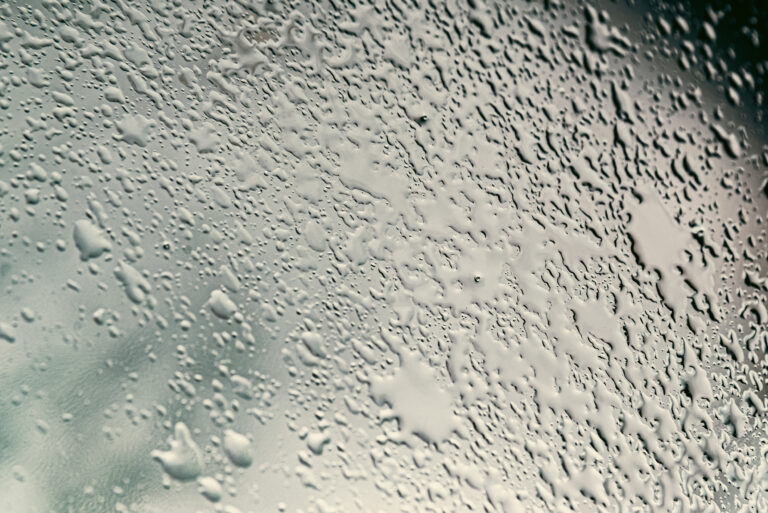
Condensation is one of the most common moisture problems affecting homes across Yorkshire. It occurs when warm, moisture-laden air comes into contact with colder surfaces, forming water droplets on walls, ceilings, windows and other cold areas.
If left unresolved, condensation can:
-
Damage internal finishes
-
Create persistent musty odours
-
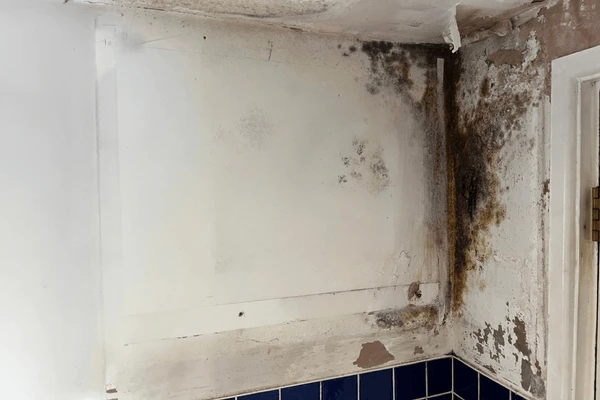
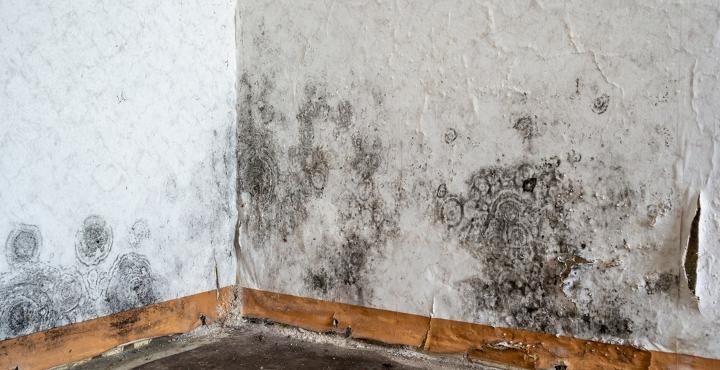
Encourage mould growth on walls and ceilings
-
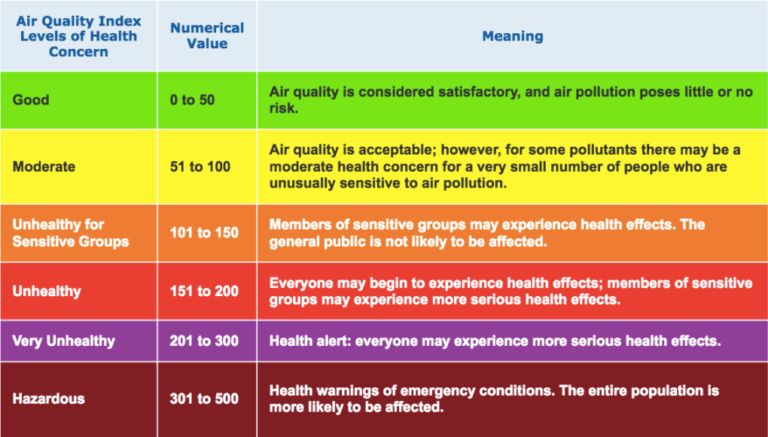
Reduce indoor air quality
-
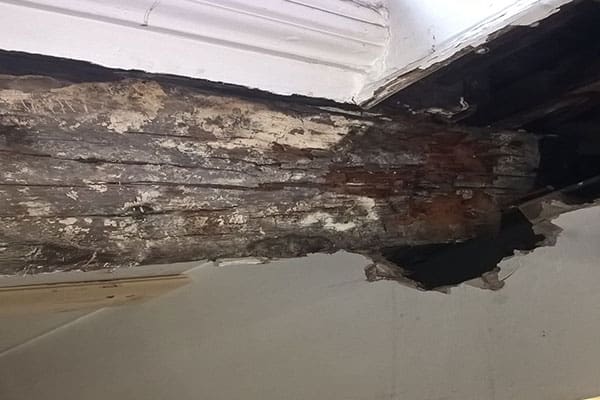
Contribute to timber decay and structural problems
Condensation is not a surface-level issue. Effective treatment starts with correct diagnosis and a plan to manage humidity, temperature and ventilation together.
What causes condensation in homes?
Condensation usually develops due to a combination of high humidity and cold internal surfaces, rather than a single fault.
High indoor humidity
Daily activities constantly release moisture into the air, including:
-
Cooking and boiling water
-
Bathing and showering
-
Drying clothes indoors
-
Using non-vented tumble dryers
-
Drying hair in unventilated rooms
-
Moisture rising from damp floors or cellars
Without adequate ventilation, this moisture remains trapped indoors and raises relative humidity levels.
Cold internal surfaces
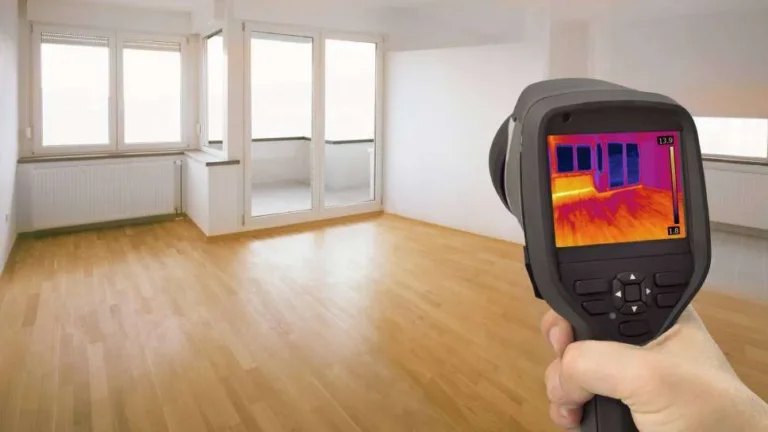
Warm air condenses more readily on colder surfaces. Common causes of cold surfaces include:
-
Poor or uneven heating
-
Inadequate wall insulation
-
Solid or single-skin external walls
-
Cold bridges around windows and corners
When humid air meets these cold surfaces, condensation forms — often repeatedly in the same locations.
- All
- Damp Proofing
Understanding humidity and dew point
Relative humidity (RH) measures how much moisture the air holds. As RH rises, the risk of condensation increases.
However, condensation forms when a surface temperature falls below the dew point — the temperature at which airborne moisture turns into liquid water.
This is why condensation often appears:
-
On external walls
-
Behind furniture
-
In corners and wardrobes
-
On windows and ceilings
Managing condensation requires reducing humidity and raising surface temperatures.
The consequences of condensation and mould
Condensation and mould are not just cosmetic problems.
Health risks
-
Black mould spores can aggravate asthma and respiratory conditions
-
Persistent damp air reduces indoor air quality
-
Children, elderly occupants and those with existing conditions are most at risk
Structural risks
-
Persistent moisture can lead to wet rot and dry rot
-
Timber floors, joists and roof structures may weaken over time
-
Plaster, paint and wallpaper deteriorate rapidly
Unchecked condensation creates the conditions that allow mould, timber decay and long-term damage to develop.
Condensation vs rising damp vs penetrating damp
Condensation is often misdiagnosed.
-
Condensation → surface moisture, mould, seasonal patterns
-
Rising damp → salt contamination, low-level wall damage
-
Penetrating damp → localised damp patches from defects
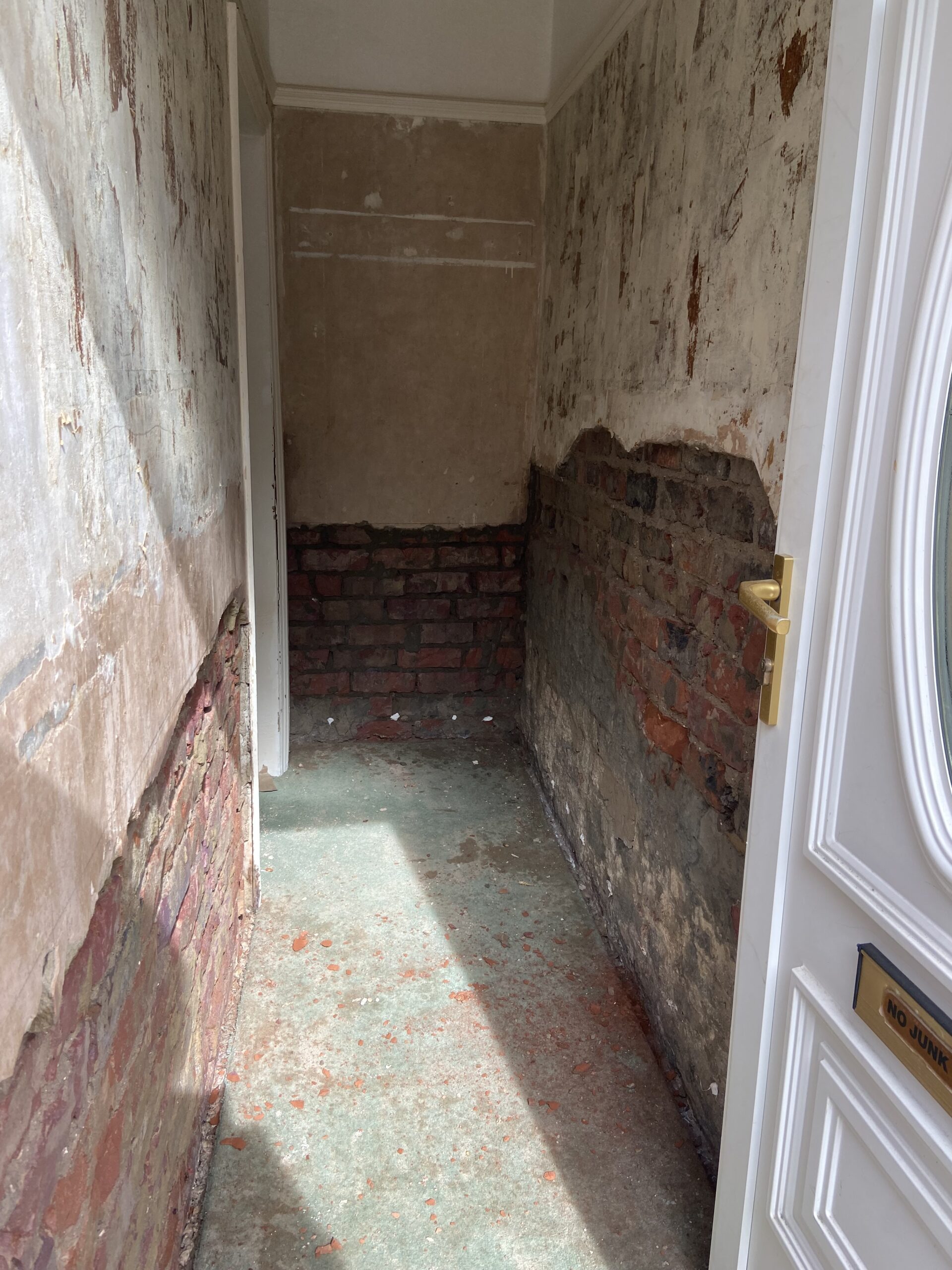
Treating condensation as rising damp leads to unnecessary chemical treatments that do not solve the problem. Accurate diagnosis is essential.
Condensation & mould treatment for walls
There is no single “quick fix” for condensation. Long-term control requires a layered approach, tailored to the property and occupancy.
Depending on findings, treatment may include:
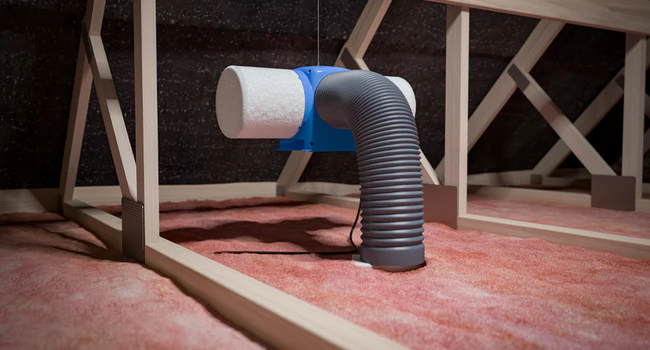
Improved mechanical extraction in kitchens and bathrooms
Whole-house ventilation systems
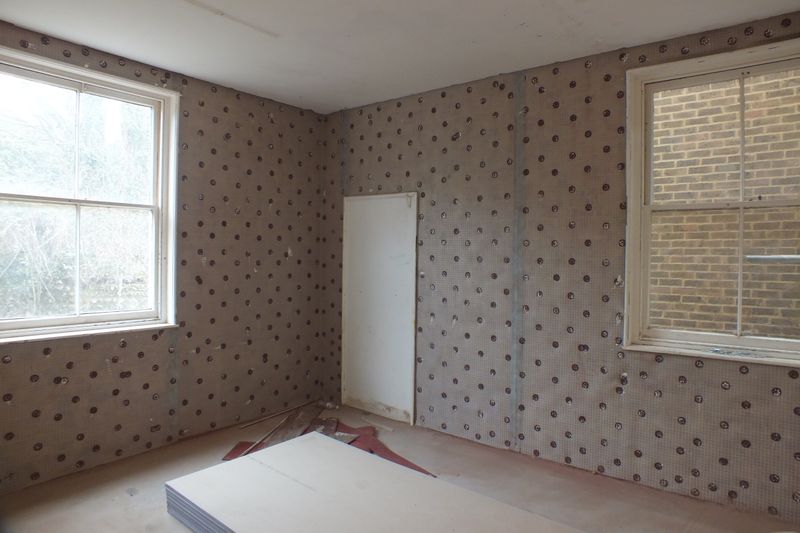
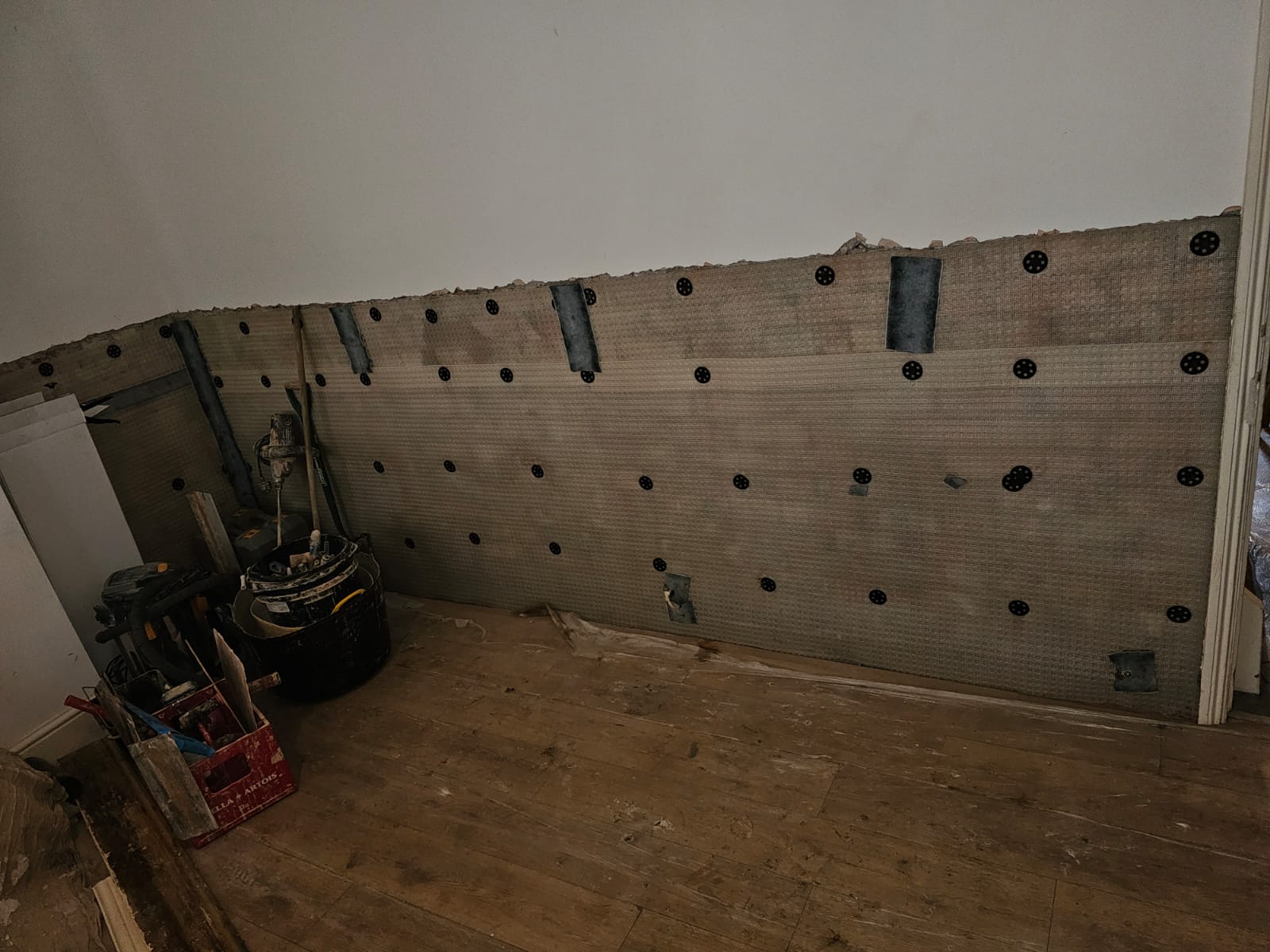
Insulated plasterboard to reduce cold surfaces
Specialist insulating plasters
Improved background ventilation
Targeted mould removal and surface remediation
Lifestyle adjustments may help reduce moisture levels, but technical interventions are often required for lasting results.
What to expect
Our Simple 4-Step Damp Proofing Process
Clear, professional, and hassle-free damp solutions from start to finish.
01
Consultation
Free initial advice & booking
02
Survey
Detailed inspection & report
03
Treatment
Tailored damp proofing solutions
04
Aftercare
Ongoing support & peace of mind
Why air quality matters in your home
Indoor air quality has a direct impact on health, comfort and property condition.
Maintaining healthy humidity levels:
-
Reduces condensation and mould risk
-
Improves respiratory comfort
-
Protects internal finishes and furnishings
-
Helps prevent timber decay
-
Creates a healthier living environment overall
The recommended indoor relative humidity range is 40–50%.

When should you arrange a condensation survey?
You should seek professional advice if:
-
Mould keeps returning after cleaning
-
Windows and walls regularly show moisture
-
Musty smells persist
-
Black mould appears in multiple rooms
-
Damp has been incorrectly treated before
A professional survey identifies whether condensation is the true cause and prevents unnecessary or ineffective work.
We deal with rising damp, penetrating damp, condensation issues, and basement waterproofing. Our team finds the root cause and applies the right solution for lasting results.
Yes — we offer free, no‑obligation surveys. One of our specialists will assess your property and explain the best treatment options.
Our damp‑proofing systems are backed by long‑term guarantees. Once treated properly, you won’t need to worry about the issue returning.
Absolutely. We work on residential properties, commercial buildings, and rental homes. No job is too small or too large.
We aim to respond to enquiries the same day and can often arrange a survey within 24–48 hours. Emergency call‑outs are available.
We keep disruption to a minimum. Our team protects your property, carries out the work cleanly, and tidies up after completion
Get in touch
Professional condensation diagnosis you can trust
Correct diagnosis separates effective solutions from wasted expense. Condensation problems can almost always be controlled — but only when the underlying causes are properly understood.
If your home suffers from persistent condensation or mould, early intervention protects both health and property value.
-
Free quotes
-
Emergency call-outs
-
Local, reliable team