
Bridged or Failed Damp Proof Course: Causes, Risks and Practical Remedial Steps

You can get rising-damp symptoms even when a modern damp proof course (DPC) is intact. A DPC only stops moisture if it remains continuous and unbridged; any material or finish that spans the DPC creates a path for moisture to travel above the barrier. That hidden pathway often shows as blistering plaster, salt deposits, corroding metal fixings and raised moisture readings in timber skirtings.
Inspect external ground levels and the visible DPC first. A correctly placed DPC with adequate external clearance reduces the chance of water reaching the wall from outside. However, internal relationships between floor level, plaster and skirting are just as important. If the internal plaster or floor finish overlaps the DPC line, the DPC becomes bridged even though the physical membrane itself remains sound.
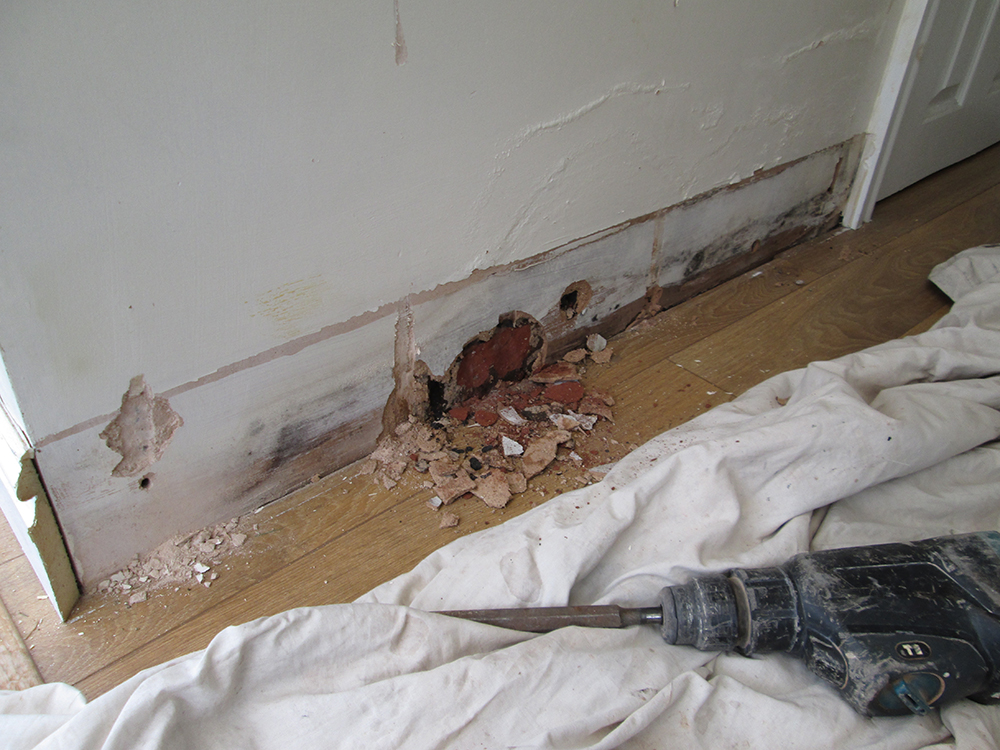
Use moisture profiling to locate the source and pattern of damp. Readings that decrease with height typically indicate moisture rising from below; but you must correlate these with physical checks. Drill small inspection holes into the outer leaf and examine the cavity with a boroscope to rule out cavity blockages, mortar droppings or debris that could create alternative moisture routes.
Common construction faults that cause bridged DPCs include:
- Plaster carried down to or below the DPC level.
- Low internal floor levels relative to the installed DPC.
- Low-profile skirting boards that force plaster to be applied almost to floor level.
- Missing or omitted vertical membranes or damp-proof finishes at internal junctions.
Visible signs to look for inside your home:
- Blistering or flaking plaster and degraded wallcoverings.
- Salt staining (efflorescence) on plaster surfaces.
- Corroded metal beads, nails or fixings.
- Elevated wood moisture content in skirting or door reveals.
Practical checks you can carry out:
- Measure the gap between external ground and the DPC; ensure it meets current guidance.
- Take moisture readings from timber and plaster at several heights to form a profile.
- Remove small sections of skirting or plaster at a discreet location (such as a door reveal) to inspect for hidden bridging.
- Inspect a cavity with a boroscope where accessible.
Repair options depend on the actual cause. If the membrane is intact and simply bridged by internal finishes, you usually avoid wholesale DPC replacement. Typical remedial steps include:
- Cutting back or removing bridged plaster up to the DPC level.
- Installing an internal vertical membrane or mechanical barrier from the floor up to the DPC.
- Replastering with appropriate salt-tolerant materials and providing protection to the wall up to DPC height.
- Replacing or drying affected joinery and ensuring fixings are corrosion-resistant.
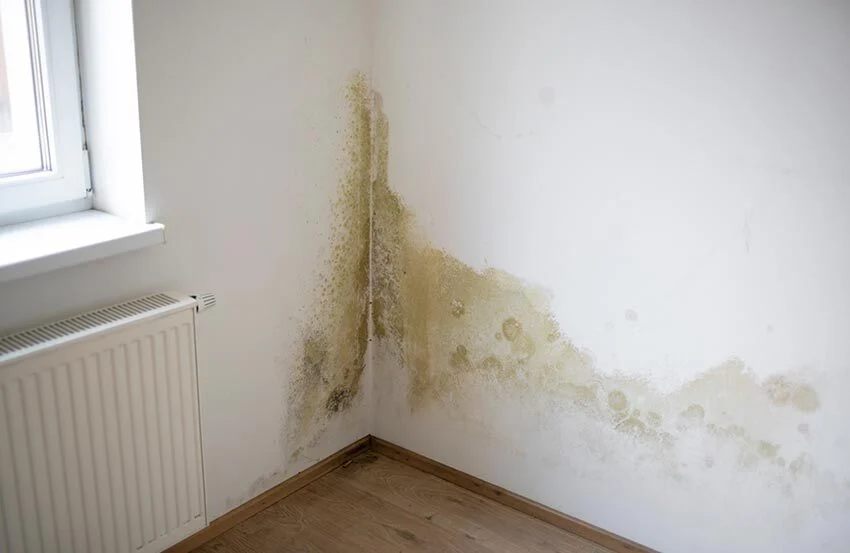
Select materials and methods that resist hygroscopic salts if salts are present. Gypsum-based backing plasters react poorly with chloride and nitrate salts and will deteriorate rapidly; use cementitious or salt-resistant coatings where required.
Record findings clearly before and after any work. Photographs of the bridge, moisture profiles, and cavity inspections help confirm the diagnosis and prevent misdirected repairs. Misdiagnosis commonly leads to unnecessary DPC replacement and recurrent damp.
If you need authoritative assessment, choose a qualified surveyor or remedial technician. Confirm credentials and association memberships to ensure the inspector can properly diagnose bridging versus DPC failure and recommend targeted, cost-effective repairs.
Frequently Asked Questions
What are the typical signs that a damp‑proof course may be failing?
- Visual indicators:
- Tidemarks, salt crusts or peeling plaster on lower walls.
- Damp staining that rises from the base of walls, often uneven or patchy.
- Musty smells or mould growth at floor level.
- Physical clues:
- Flaking paint, damp or soft skirting boards, and warped floor finishes.
- Practical note:
- These signs can come from several sources; use them as triggers to investigate rather than definitive proof of a DPC fault.
Which repair options exist for a damaged or ineffective DPC?
- Chemical injection: a water‑repellent cream or fluid injected into mortar courses to create a new barrier.
- Physical replacement: removing brickwork and installing a new rigid or flexible membrane DPC (more invasive).
- Surface treatments: replastering with salt‑resistant or waterproof renders where appropriate.
- Drainage and landscaping fixes: lowering external ground levels or improving external waterproofing.
- Considerations: choose the method based on cause, extent of damage, and building type; get a professional survey before committing.
How do you tell rising damp apart from other causes of wall moisture?
- Compare patterns: rising damp typically shows a rising band of dampness from ground level; condensation and penetration often appear higher or localised.
- Check for salts: crystallised salts behind plaster often indicate moisture drawn up from the ground.
- Inspect sources: rule out plumbing leaks, guttering faults, blocked drains or penetrating rain before assuming rising damp.
- Diagnostic testing: moisture meter readings and a qualified damp survey help differentiate causes.
What should you do if the DPC is bridged by soil, render, or other materials?
- Remove the bridge: lower external ground, trim back render or remove the offending material to restore a clear gap above the DPC.
- Repair affected finishes: replace contaminated plaster or skirting and treat salts before redecoration.
- Prevent recurrence: improve external grading, add ventilated cavity trays or install flashing where needed.
- Get a survey: confirm there is no hidden damage and that the DPC itself remains intact before making permanent repairs.
How regularly should you check the condition and performance of a DPC?
- Visual checks: inspect for signs of damp annually, especially after heavy rain or groundworks near the building.
- Professional surveys: consider a full damp survey every 5–10 years or sooner if you see symptoms.
- After works: re‑inspect following landscaping, repaving or internal renovations that could bridge or disturb the DPC.
What exactly does “bridging” of a DPC mean and what risks does it create?
- Definition:
- Bridging occurs when a continuous path (soil, render, screed, debris, etc.) bypasses the DPC, allowing moisture to rise above it.
- Consequences:
- Persistent damp patches, salt damage, plaster deterioration, timber rot and potential mould growth.
- Misdiagnosis risk: repairs aimed at the DPC itself may fail if bridging remains unaddressed.
- Prevention:
- Maintain clear external ground levels, correct render and floor finishes, and ensure repair work doesn’t create new bridges.
