
Rising Damp Treatment & Diagnosis
Professional Surveys, Accurate Identification & Long-Term Solutions
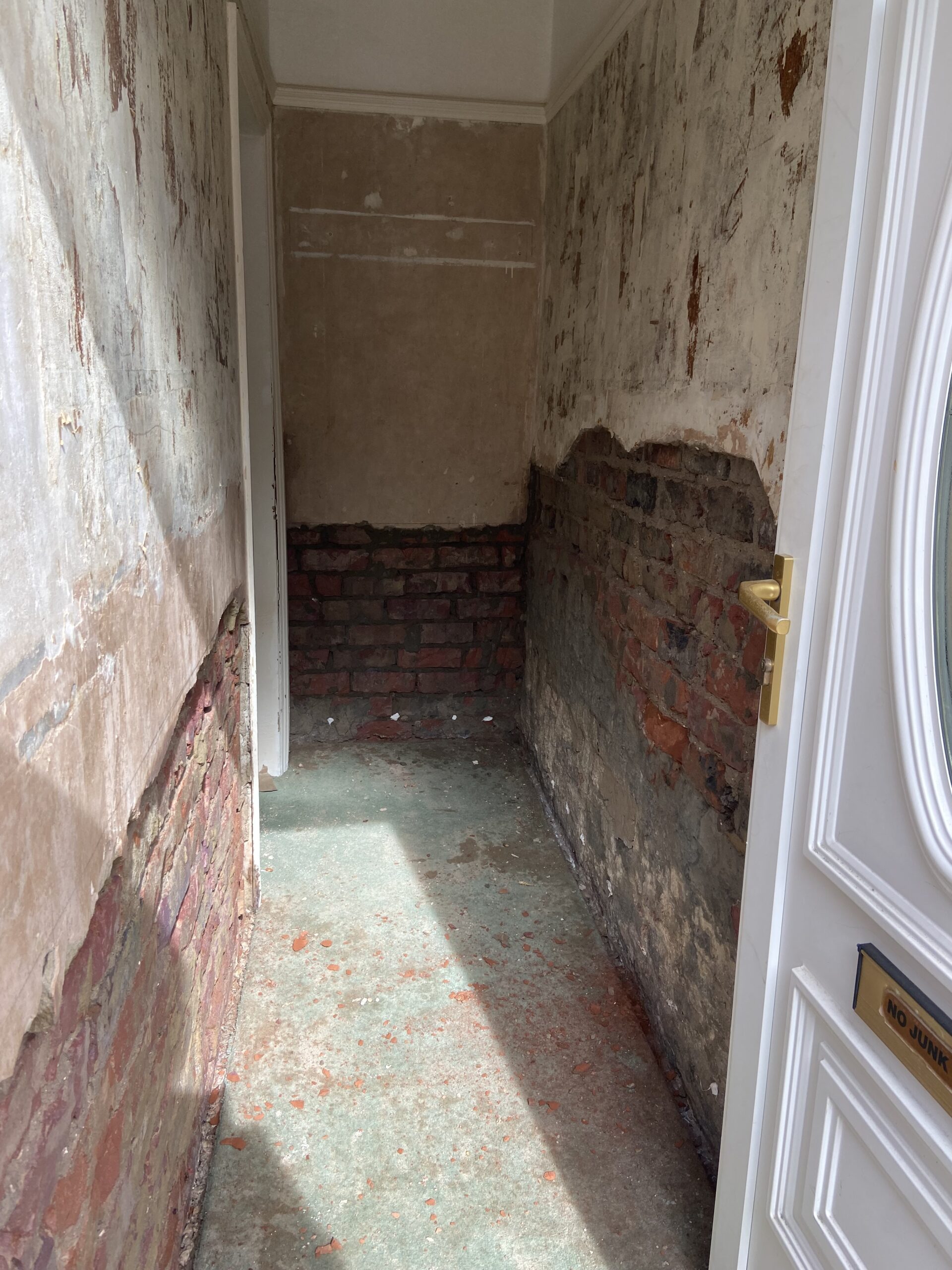
Rising damp occurs when moisture from the ground travels upward through masonry by capillary action. This moisture carries salts into internal wall finishes, damaging plaster, timber and decorative surfaces.
While rising damp is often discussed, it is also frequently misdiagnosed. Many properties treated for rising damp are actually suffering from bridged damp proof courses, condensation, or penetrating damp. Correct identification is essential before any treatment is carried out.
What is rising damp?
Rising damp describes groundwater or moisture being drawn up through porous materials such as brick, stone and mortar. Without an effective and uninterrupted damp proof course (DPC), moisture can rise up internal walls — typically up to around 1–1.5 metres above ground level.
As the moisture evaporates internally, it leaves behind salts that damage plaster, paint and timber finishes.
A correctly installed and unbridged damp proof course prevents this upward movement.
What causes rising damp?
True rising damp is far less common than many people believe. When it does occur, it is usually linked to one or more of the following:
Failed, missing or damaged damp proof course
Older properties built before damp proof courses were mandatory
Physical DPCs that have deteriorated over time
Incorrectly installed or incomplete DPC systems
Bridged damp proof courses (very common)
Internal plaster taken below DPC level
Raised external ground levels
Render or paths bridging the DPC
Floor screeds or finishes bypassing the barrier
A bridged DPC allows moisture to bypass an otherwise intact damp proof course.
High external ground levels
Soil, paving or driveways above DPC height
Constant contact between saturated ground and masonry
Poor drainage allowing water to sit against walls
Masonry defects
Cracked brickwork or mortar
Poor external detailing allowing moisture retention
Long-term saturation of wall bases
Signs commonly associated with rising damp
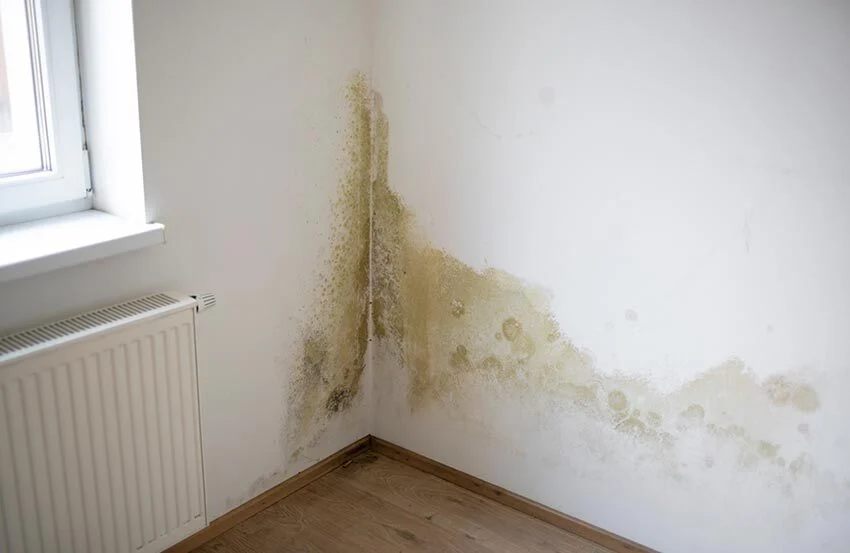
Rising damp produces a distinctive pattern of symptoms. Common indicators include:
-
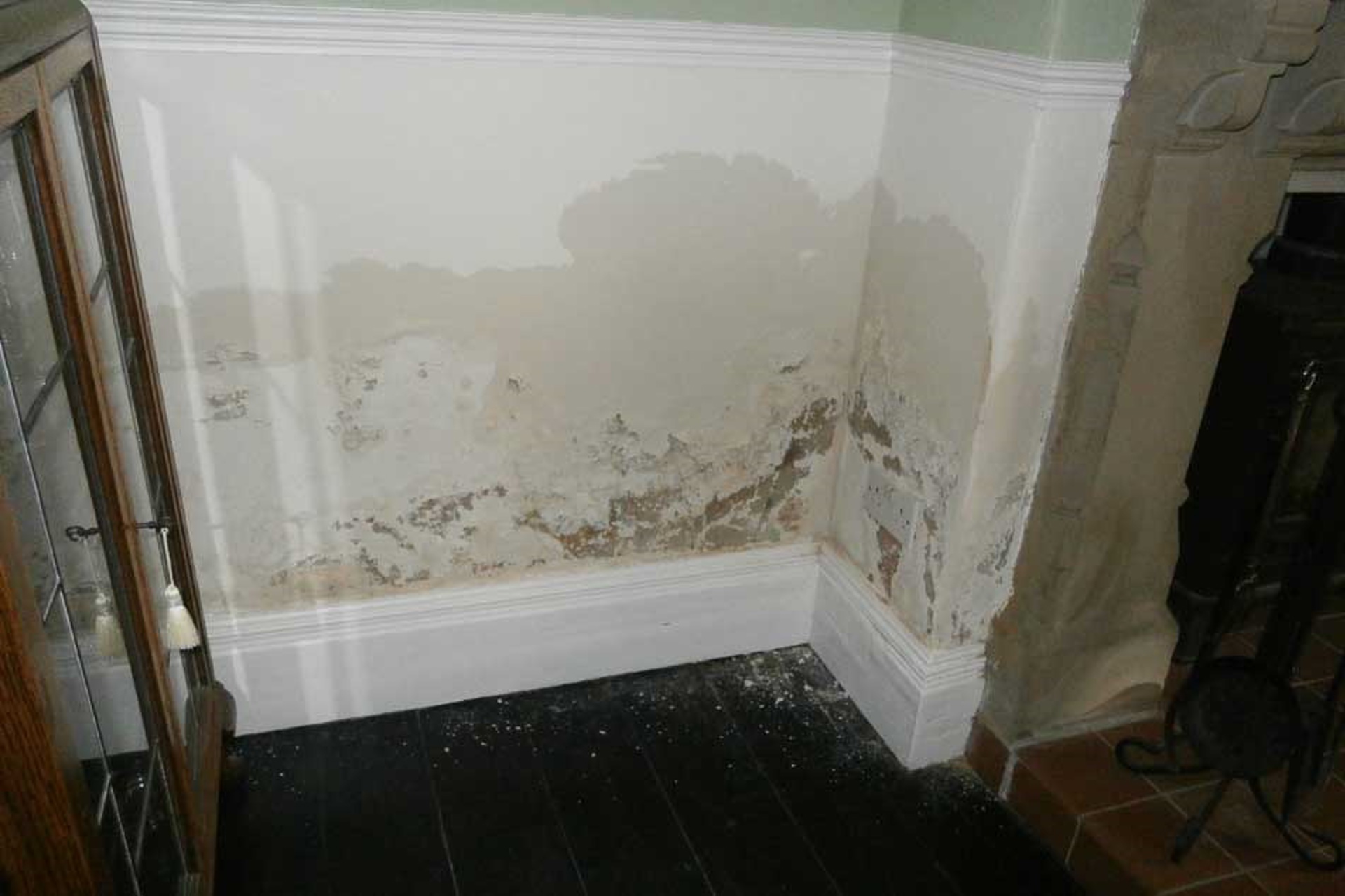
Tidemarks or staining on lower walls
-
White, powdery salt deposits (efflorescence)
-
Flaking or blistering plaster and paint
-
Deteriorating or damp skirting boards
-
Rotten or weakened timber at low level
-
Musty or persistent damp smells
-
Crumbling mortar near the base of walls
-
Warped floorboards adjacent to affected walls
These signs must be assessed carefully, as condensation and penetrating damp can present in similar ways.
Why correct diagnosis matters
Rising damp is one of the most misdiagnosed damp issues in the UK.
Common mistakes include:
-
Treating condensation as rising damp
-
Installing chemical DPCs where bridging is the real issue
-
Replastering without salt control
-
Ignoring external ground levels
Incorrect treatment can cost thousands and fail to resolve the problem.
A professional survey should always:
-
Measure moisture profiles at multiple heights
-
Inspect the condition and height of the DPC
-
Check for internal and external bridging
-
Identify hygroscopic salt contamination
-
Rule out condensation and penetrating damp
- All
- Damp Proofing
Effects of untreated rising damp
If left unresolved, rising damp can cause:
Structural and material damage
Decay of skirting boards and joists
Breakdown of plaster and wall finishes
Long-term masonry deterioration
Timber problems
Wet rot in floor timbers
Increased risk of woodworm infestation
Health concerns
Mould growth linked to respiratory issues
Poor indoor air quality
Aggravation of asthma and allergies
Reduced energy efficiency
Damp walls retain cold
Increased heating costs
Difficulty maintaining comfortable temperatures
Reduced property value
Survey red flags during sale
Mortgage and insurance complications
Costly remedial requirements
How rising damp is treated correctly
Effective rising damp treatment follows a cause-led approach, not a one-size-fits-all solution.
1. Professional damp survey
Accurate diagnosis to confirm true rising damp and rule out alternatives.
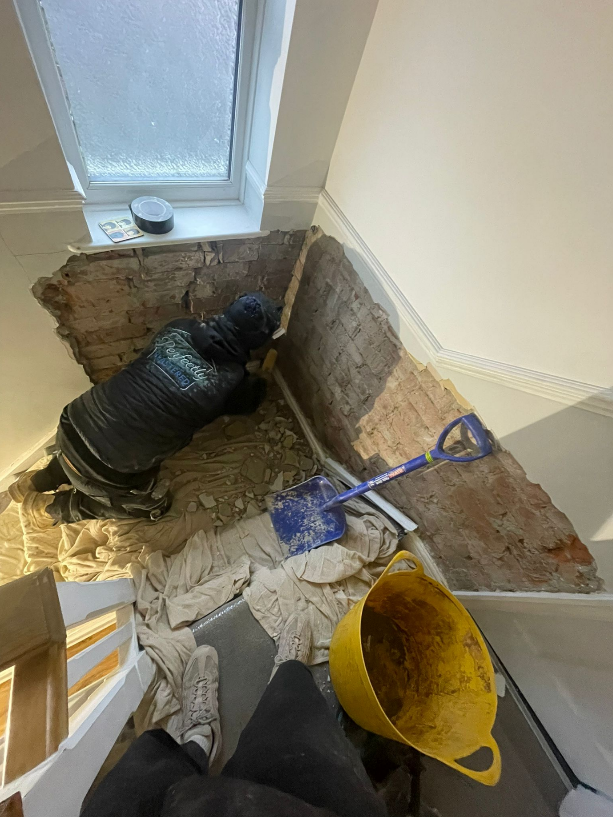
2. Remove bridging where present
-
Lowering external ground levels
-
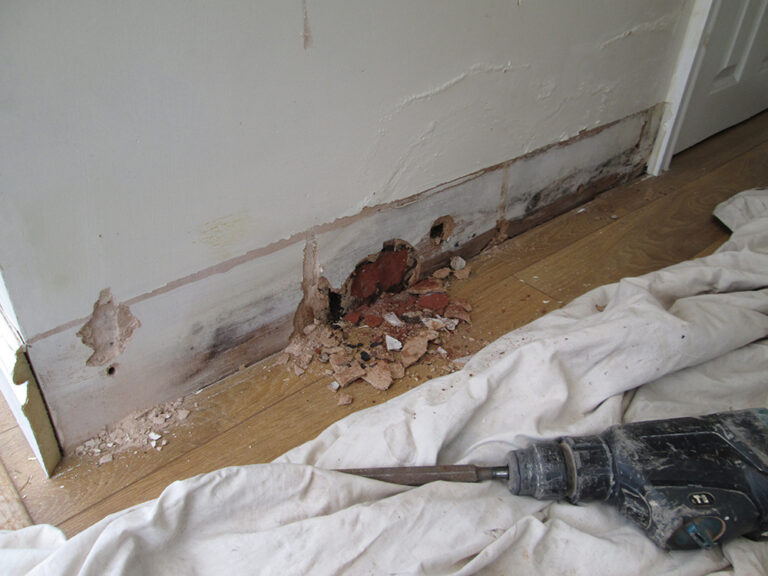
Cutting back plaster or render
-
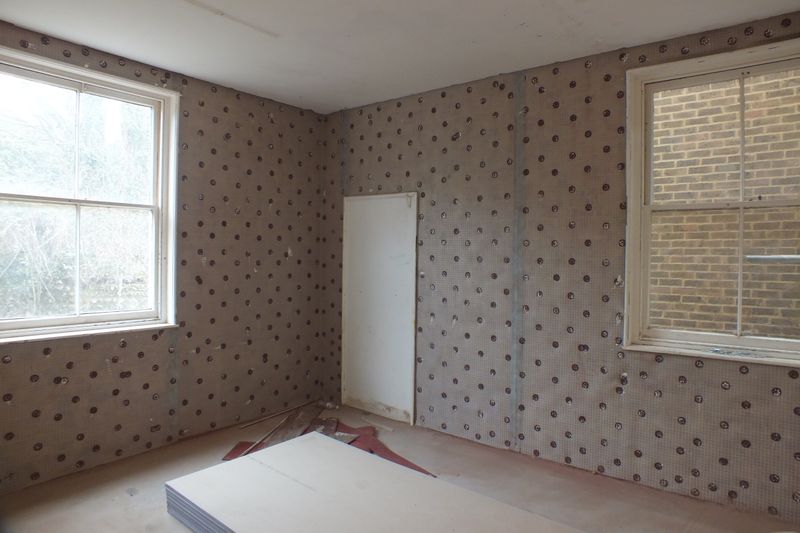
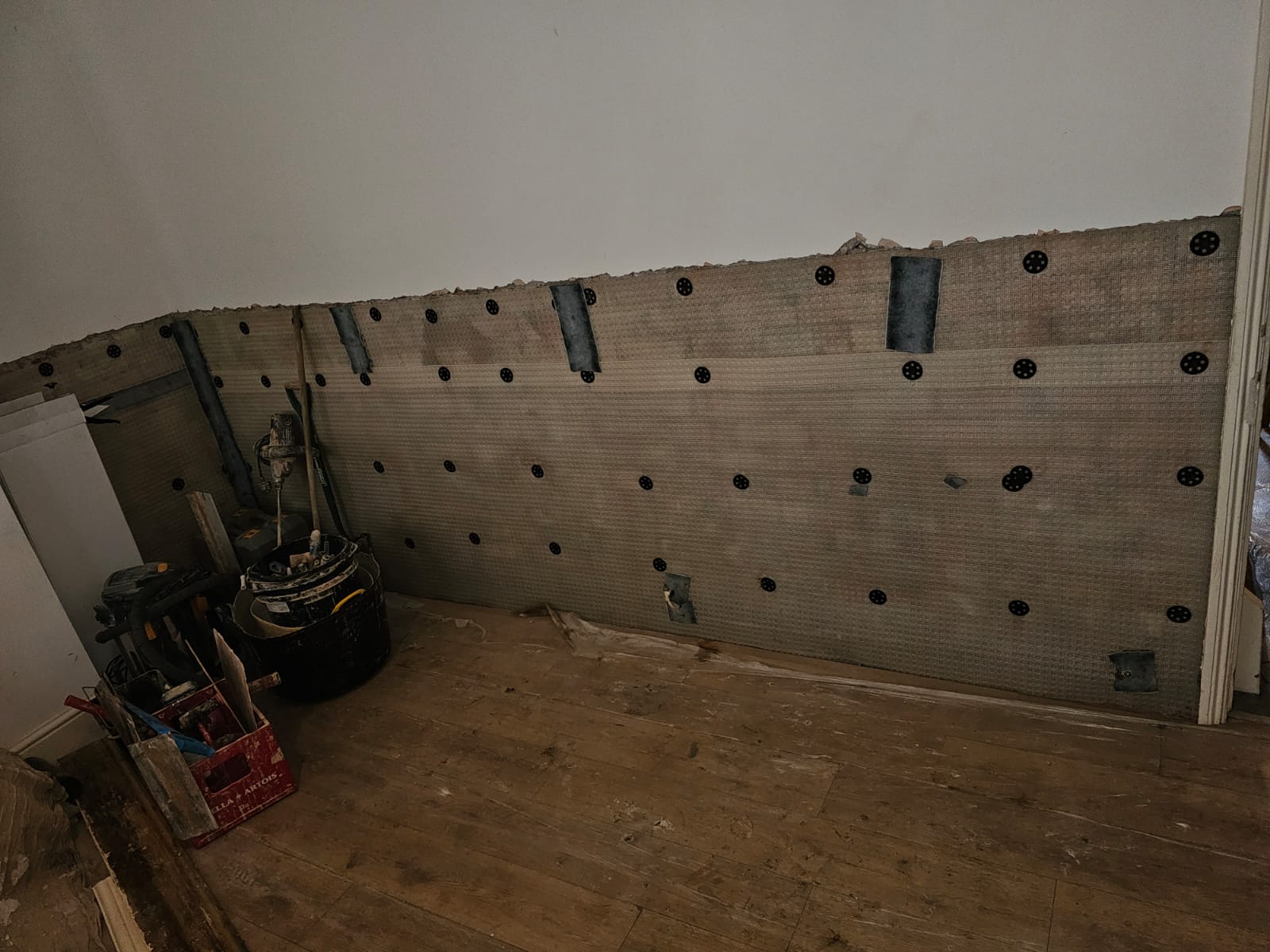
Installing vertical membranes where required
3. Install or repair damp proof course (if necessary)
-
Chemical injection systems where appropriate
-
Physical DPC solutions in severe cases
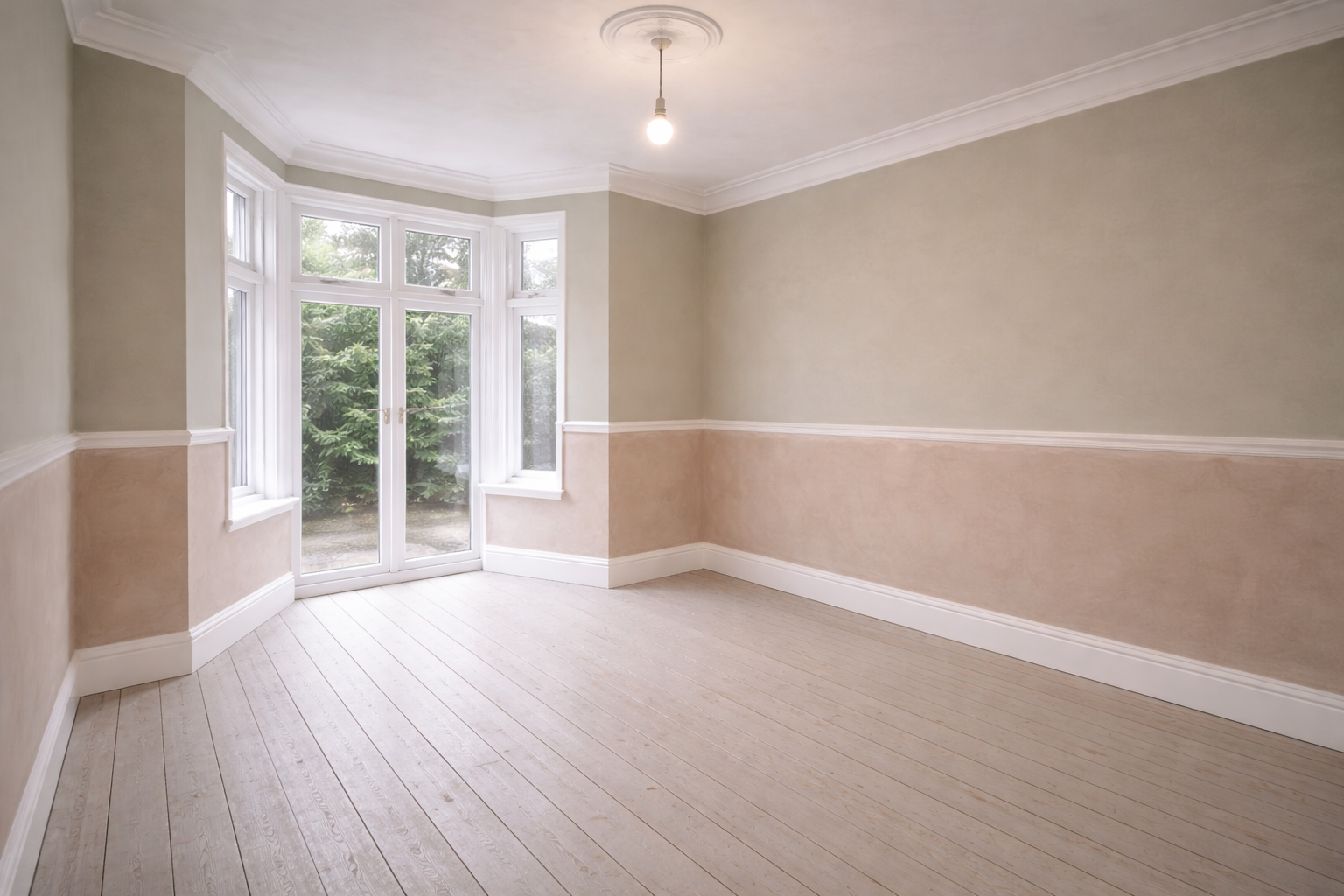
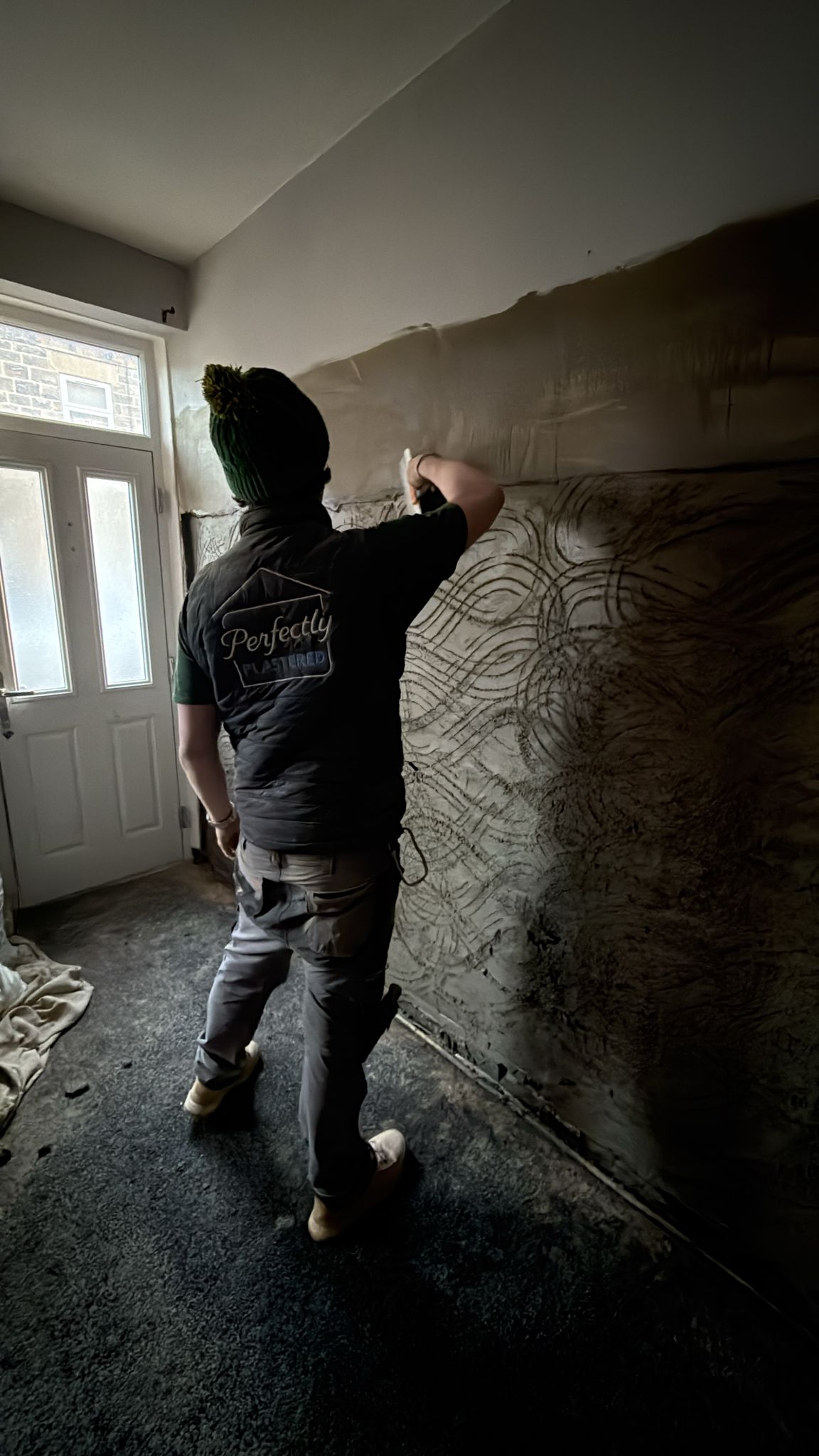
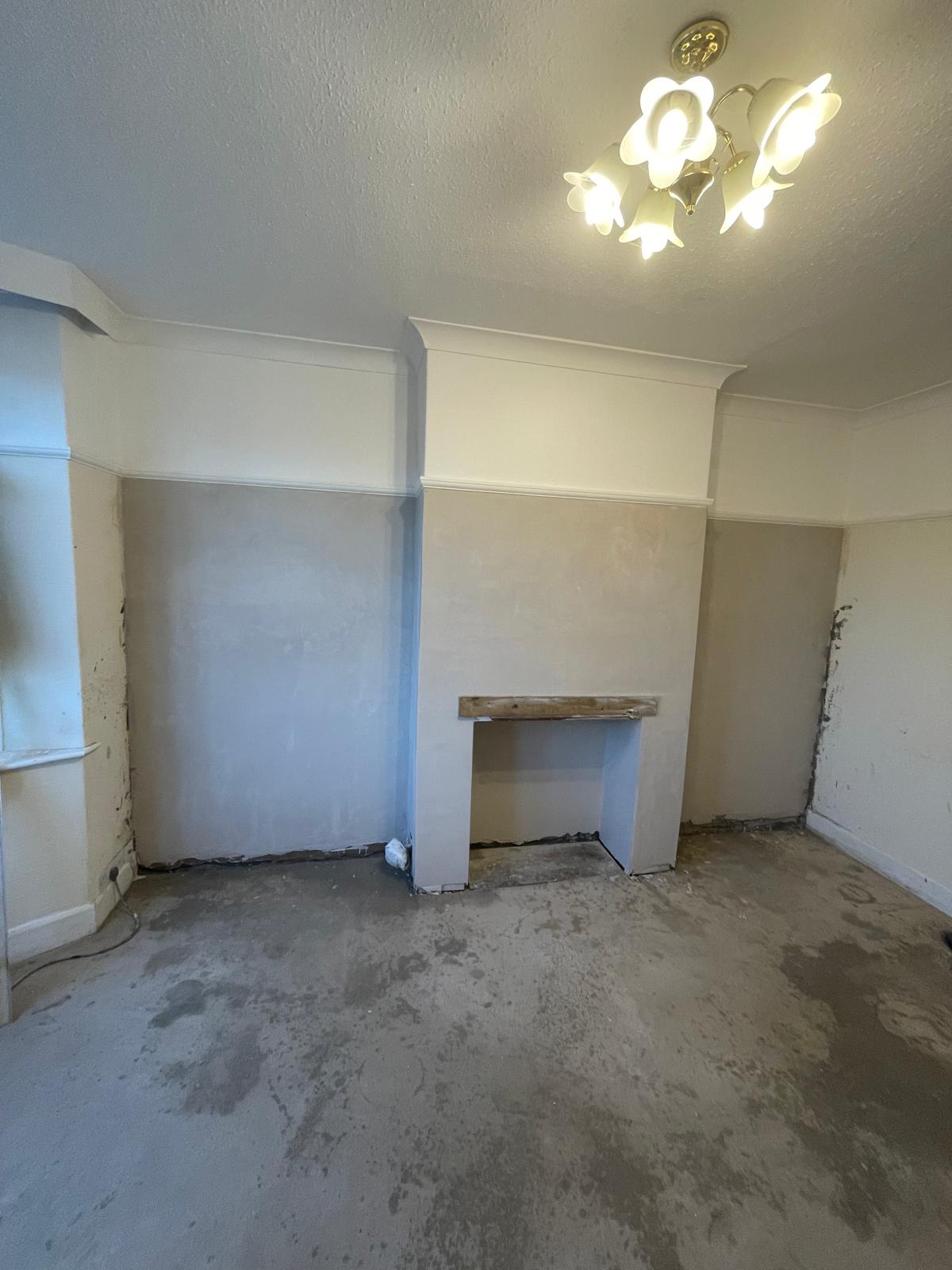
4. Salt-resistant replastering
-
Removal of contaminated plaster
-
Use of salt-tolerant systems to prevent future breakdown
5. Address contributing factors
-
Drainage improvements
-
Ventilation upgrades
-
Timber repairs where required
Rising damp treatment only works long-term when moisture sources and salt contamination are properly managed.

What to expect
Our Simple 4-Step Damp Proofing Process
Clear, professional, and hassle-free damp solutions from start to finish.
01
Consultation
Free initial advice & booking
02
Survey
Detailed inspection & report
03
Treatment
Tailored damp proofing solutions
04
Aftercare
Ongoing support & peace of mind
When to book a rising damp survey
You should arrange a professional inspection if:
Damp symptoms appear consistently at low level
Salt deposits are visible on walls
Timber decay is present near floor level
Previous damp treatments have failed
You are buying or selling a property
Early diagnosis prevents unnecessary work and reduces overall cost.
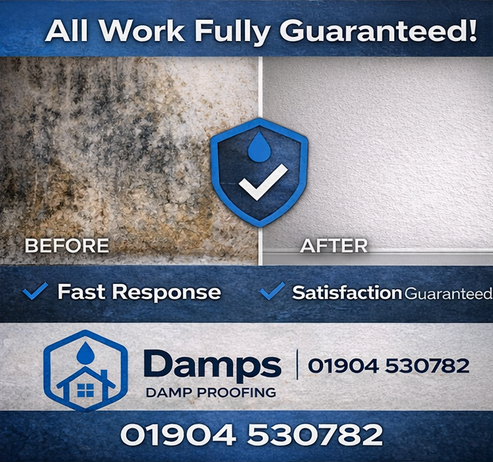
We deal with rising damp, penetrating damp, condensation issues, and basement waterproofing. Our team finds the root cause and applies the right solution for lasting results.
Yes — we offer free, no‑obligation surveys. One of our specialists will assess your property and explain the best treatment options.
Our damp‑proofing systems are backed by long‑term guarantees. Once treated properly, you won’t need to worry about the issue returning.
Absolutely. We work on residential properties, commercial buildings, and rental homes. No job is too small or too large.
We aim to respond to enquiries the same day and can often arrange a survey within 24–48 hours. Emergency call‑outs are available.
We keep disruption to a minimum. Our team protects your property, carries out the work cleanly, and tidies up after completion
Get in touch
Book a professional rising damp assessment
Rising damp is a structural moisture issue — not a cosmetic one. A qualified survey ensures correct diagnosis, targeted treatment and long-term protection of your property.
-
Free quotes
-
Emergency call-outs
-
Local, reliable team