
Damp Proofing Services – Diagnosis, Treatment & Long-Term Protection
What is damp proofing?
Damp proofing is the process of preventing unwanted moisture from entering and moving through a property’s structure. When moisture is allowed to rise, penetrate or condense within walls and floors, it can cause plaster failure, mould growth, timber decay and long-term structural damage.
Effective damp proofing is not a single product or treatment — it is a diagnostic process that identifies how moisture is entering the building and applies the correct remedial system to stop it permanently.
Why damp occurs in homes
Moisture can enter a property in several ways. In many cases, multiple factors contribute to the problem. Common causes include:
-
Failed, bridged or missing damp proof courses
-
Leaking or blocked gutters and downpipes
-
Defective roof coverings or flashing
-
Penetrating damp through external walls or earth-retaining structures
-
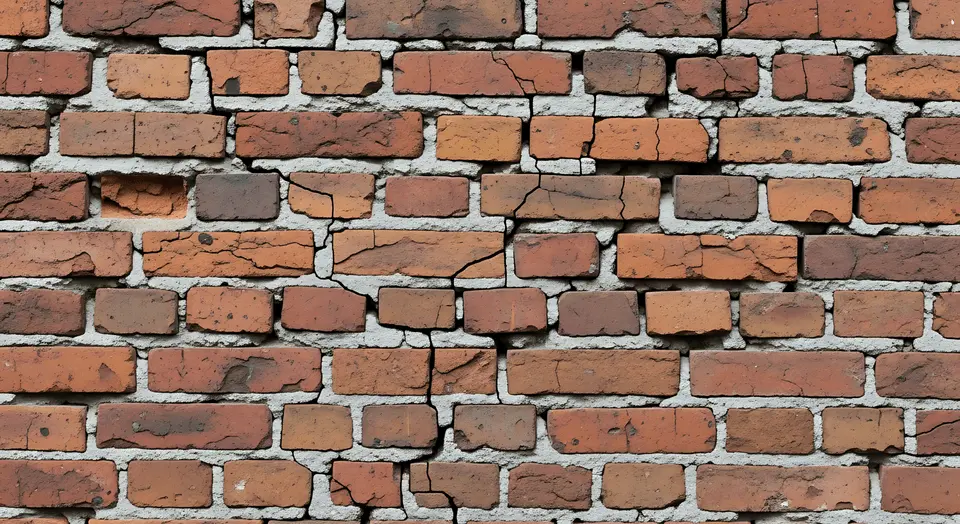
Cracked brickwork, damaged pointing or render
-
Plumbing leaks within walls or floors
-
Poor ventilation and high internal humidity
Before any damp treatment is carried out, the source of moisture must be correctly identified and controlled. Treating symptoms alone often leads to recurring damp.
Types of damp we treat
There are three main forms of damp that affect UK properties. Correct identification is essential, as each requires a different solution.
Rising damp
Rising damp occurs when moisture from the ground travels upward through masonry by capillary action. This typically affects the lower sections of walls and skirting areas.
Common signs include:
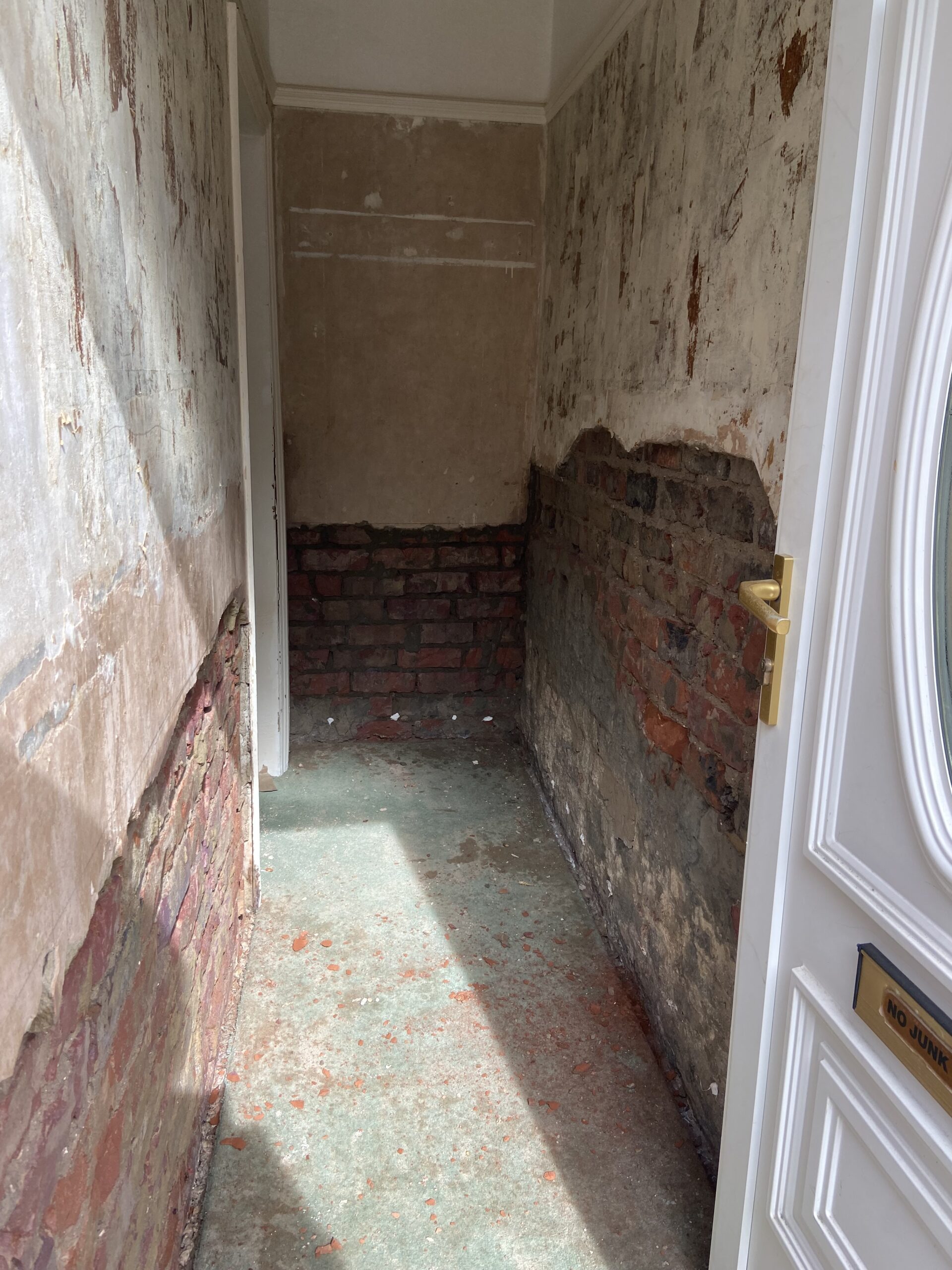
Flaking or crumbling plaster at low level
White salt deposits (efflorescence)
Damp or rotting skirting boards
Peeling paint or loose wallpaper
Most modern buildings rely on a damp proof course (DPC) to stop rising damp. In older properties, the DPC may be missing, deteriorated or bridged by internal or external finishes.
Where rising damp is confirmed, specialist damp proof course installation and salt-resistant replastering may be required.
Penetrating damp
Penetrating damp is caused by water entering the building laterally through defects in the external envelope.
Typical causes include:
Defective guttering or downpipes
Cracked brickwork or mortar joints
Poorly sealed windows or doors
Earth or raised ground levels against walls
Common symptoms include:
Localised damp patches on walls or ceilings
Blistering plaster or paint
External staining or vegetation growth
Penetrating damp should be addressed promptly, as ongoing water ingress can compromise insulation, weaken structural elements and cause internal damage.
Condensation
Condensation is the most common cause of damp and mould in homes. It occurs when warm, moisture-laden air meets colder surfaces such as windows or external walls.
Common signs include:
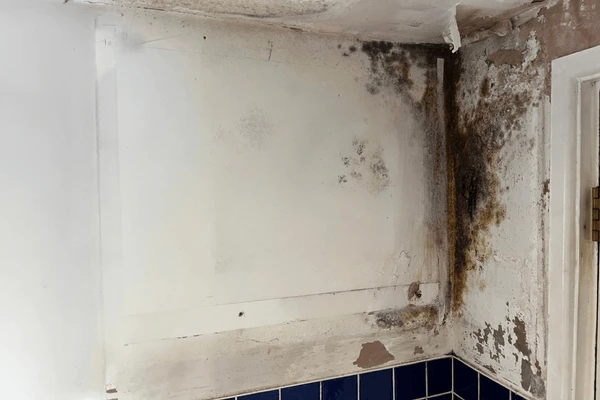
Black mould growth
Water droplets on windows
Damp window sills and corners of rooms
Condensation is typically linked to:
Poor ventilation
Inadequate or inconsistent heating
High indoor humidity from cooking, bathing or drying clothes indoors
Effective solutions often involve improved ventilation, insulation and moisture control, rather than traditional damp-proofing products.
What to do if you’ve found damp
Untreated damp can lead to:
-
Structural timber decay (wet rot or woodworm)
-
Plaster and masonry deterioration
-
Increased mould growth
-
Health issues such as respiratory irritation and asthma
If you notice signs of damp, it’s important to act early. A professional damp survey ensures the correct cause is identified, preventing unnecessary or ineffective treatments.
- All
- Damp Proofing
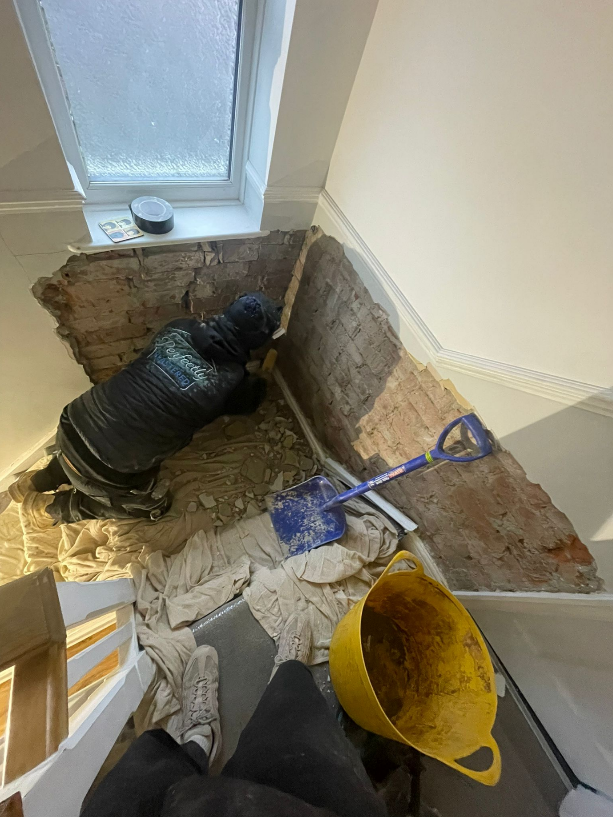
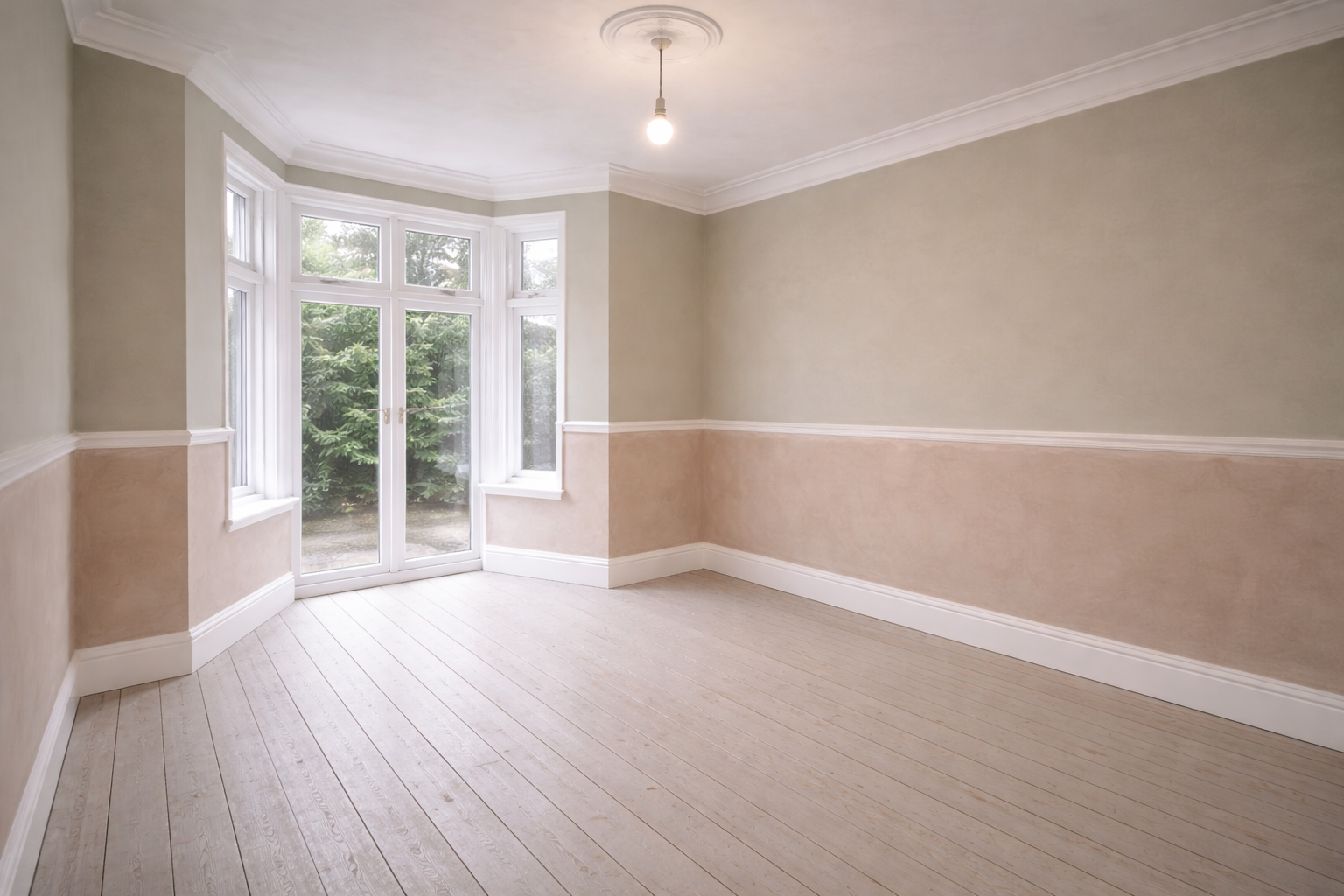
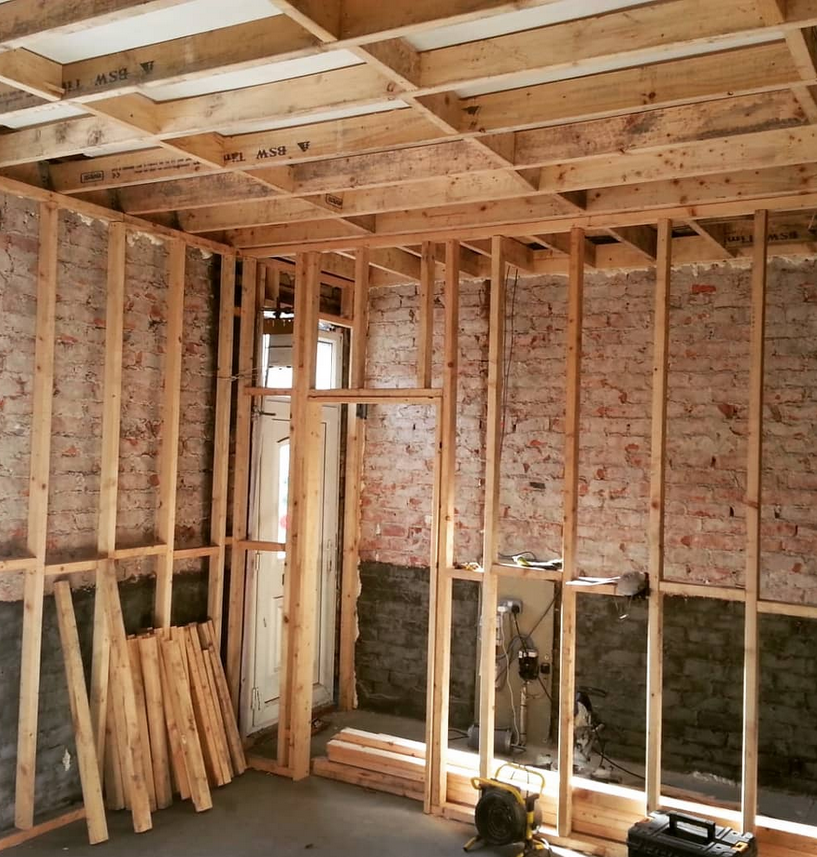
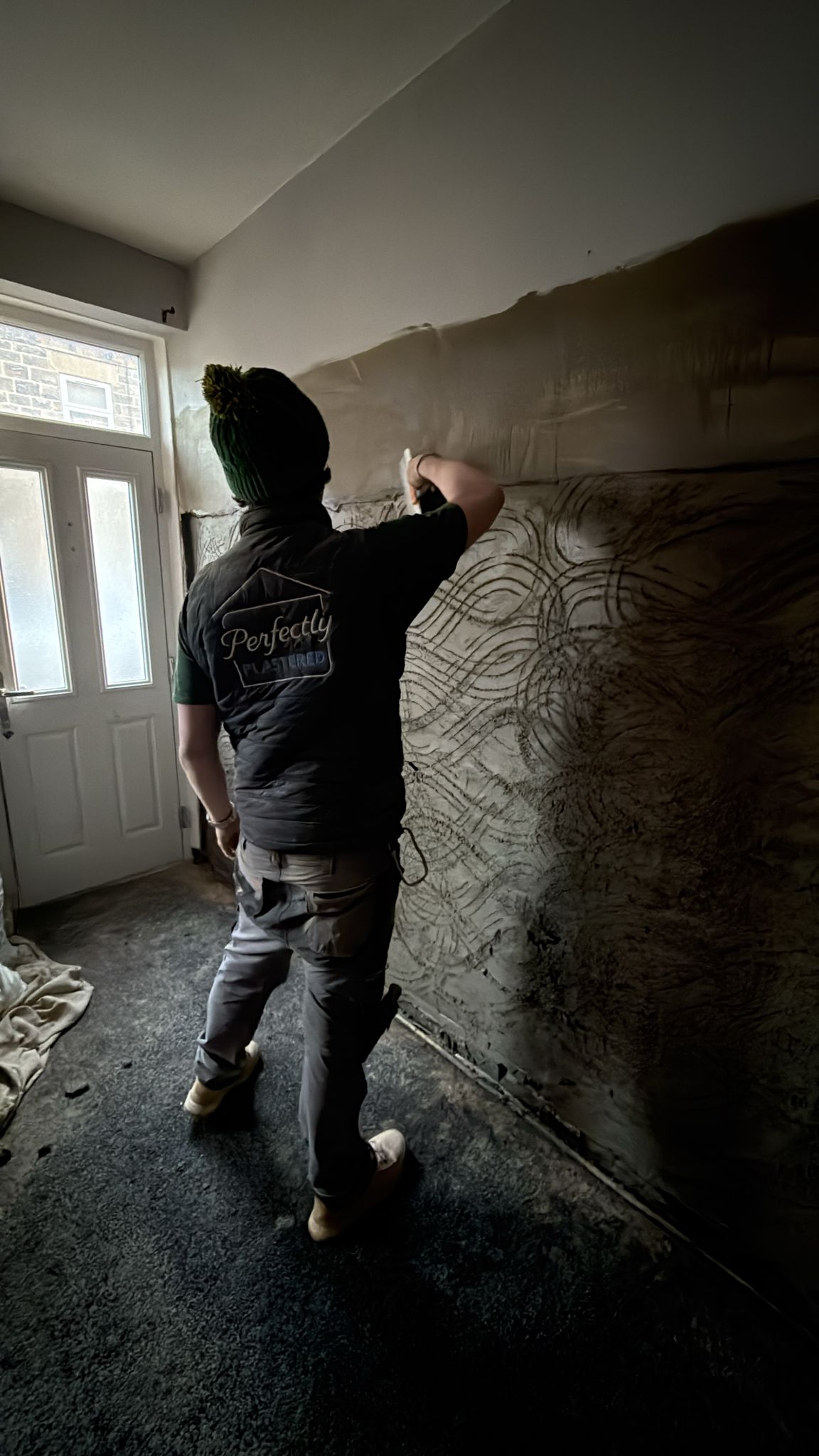
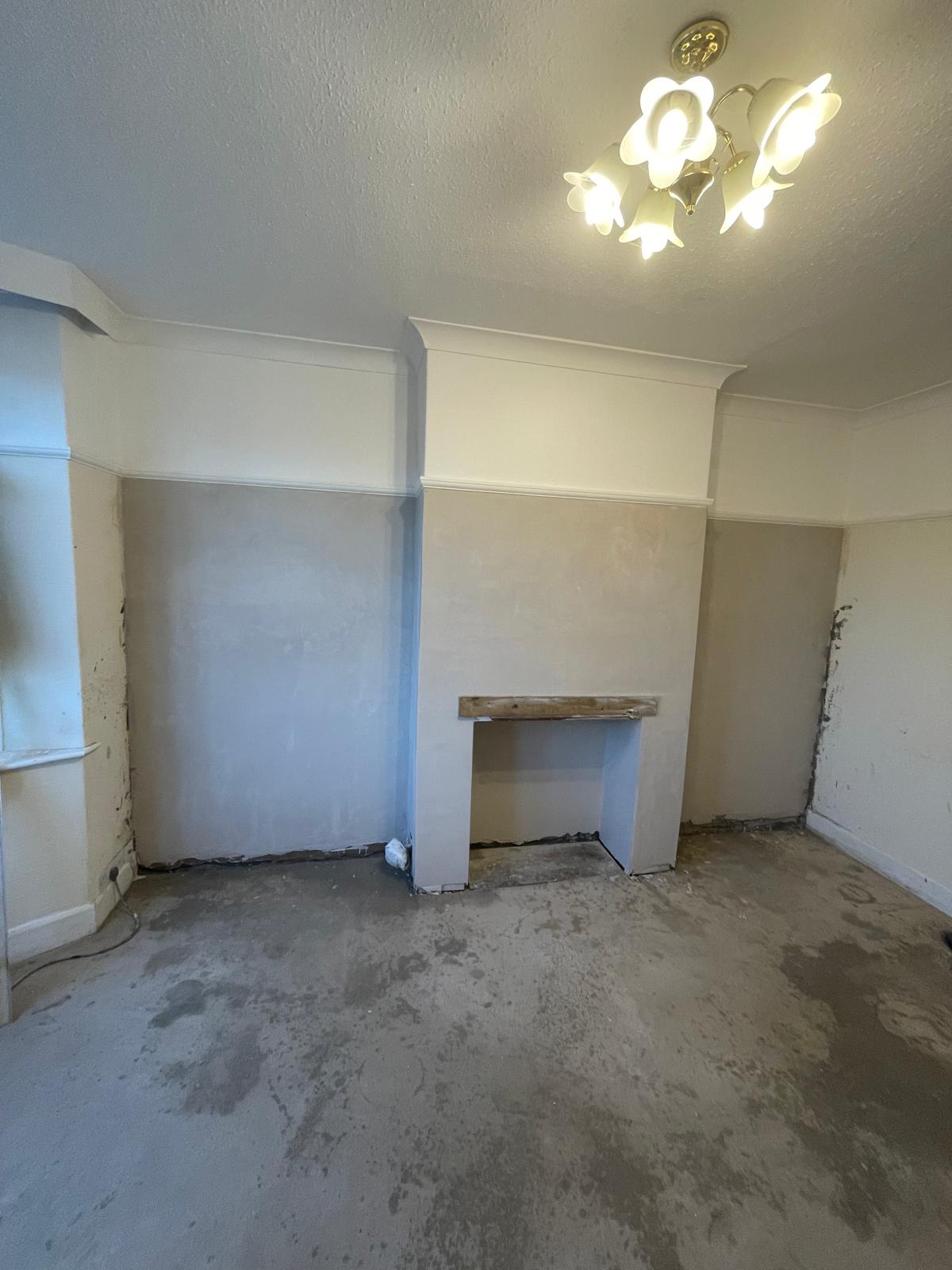
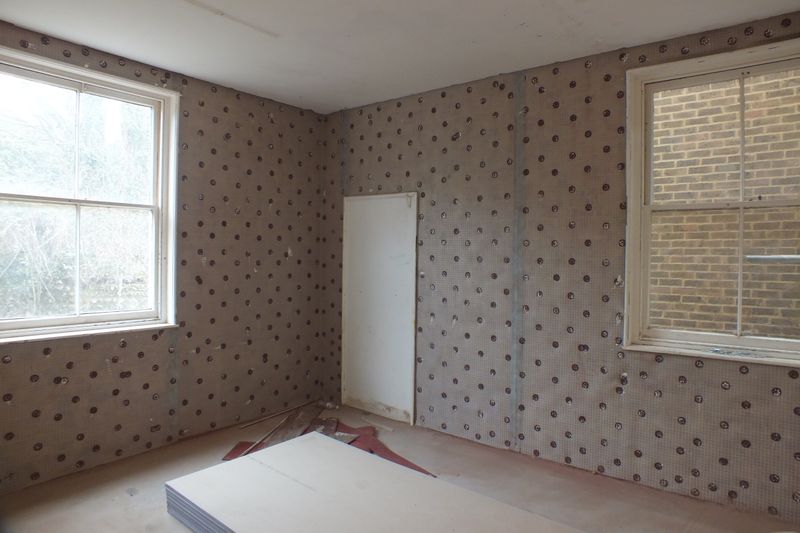
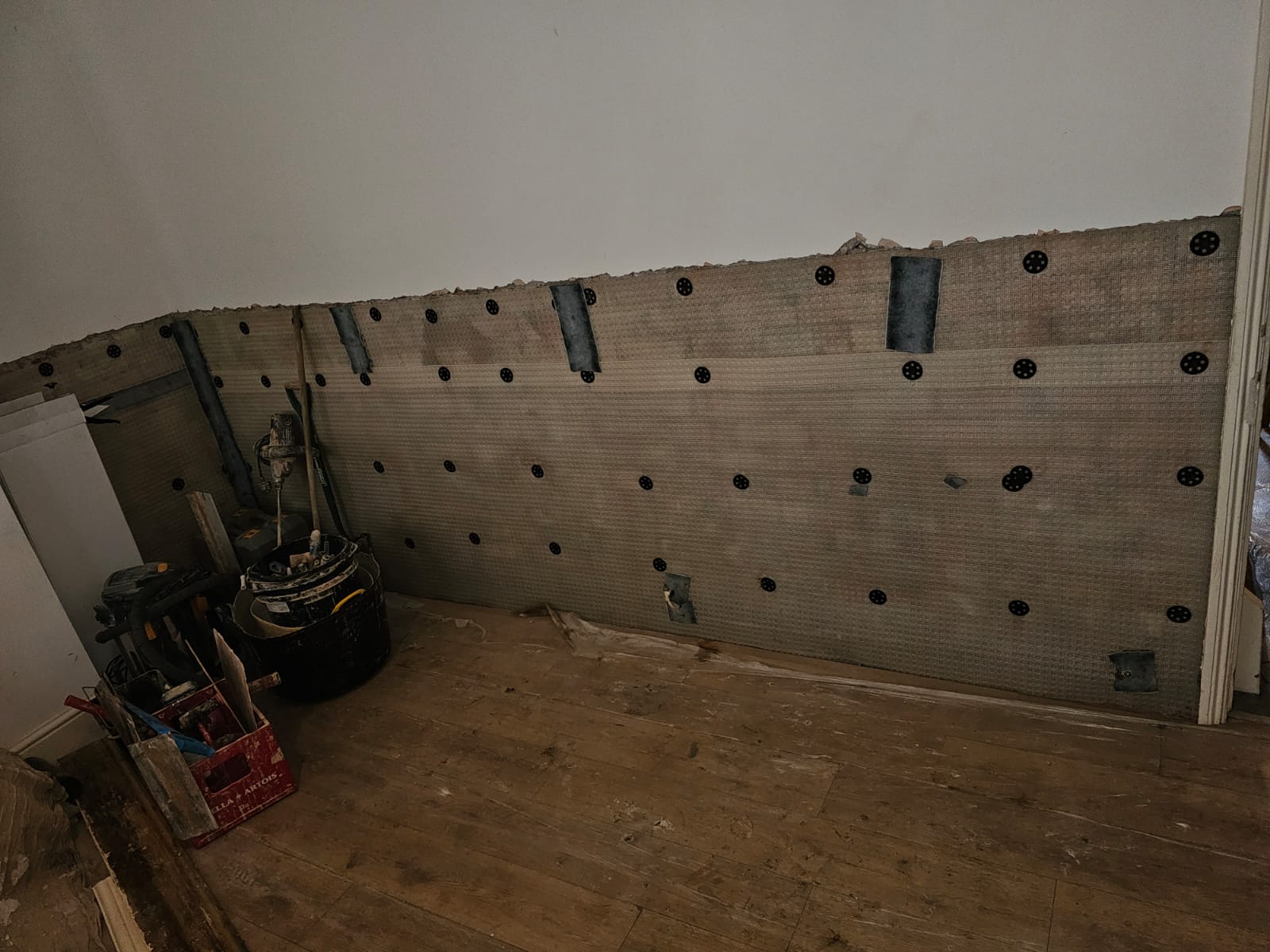
Our damp proofing approach
We specialise in diagnosis-led damp proofing, not one-size-fits-all treatments.
Our service includes:
-
Professional damp inspections and moisture profiling
-
Identification of rising damp, penetrating damp or condensation
-
Targeted remedial solutions based on the actual cause
-
Installation of chemical damp proof courses where appropriate
-
Salt-resistant replastering systems
-
Advice on ventilation, insulation and long-term prevention
Where rising damp is confirmed, chemical damp proof course injection can provide a continuous barrier against future moisture movement — but only when installed as part of a correctly specified system.
What to expect
Our Simple 4-Step Damp Proofing Process
Clear, professional, and hassle-free damp solutions from start to finish.
01
Consultation
Free initial advice & booking
02
Survey
Detailed inspection & report
03
Treatment
Tailored damp proofing solutions
04
Aftercare
Ongoing support & peace of mind
We deal with rising damp, penetrating damp, condensation issues, and basement waterproofing. Our team finds the root cause and applies the right solution for lasting results.
Yes — we offer free, no‑obligation surveys. One of our specialists will assess your property and explain the best treatment options.
Our damp‑proofing systems are backed by long‑term guarantees. Once treated properly, you won’t need to worry about the issue returning.
Absolutely. We work on residential properties, commercial buildings, and rental homes. No job is too small or too large.
We aim to respond to enquiries the same day and can often arrange a survey within 24–48 hours. Emergency call‑outs are available.
We keep disruption to a minimum. Our team protects your property, carries out the work cleanly, and tidies up after completion
Get in touch
Book A Damp Inspection
If you’re experiencing damp, mould or unexplained moisture issues, arrange a professional damp inspection. Early diagnosis reduces repair costs and prevents avoidable structural damage.
-
Free quotes
-
Emergency call-outs
-
Local, reliable team