
Is Dry Rot Dangerous: Understanding Risks, Detection and Remediation

Dry rot can begin unnoticed but accelerate into serious timber decay that weakens floors, joists and other structural elements. If you spot signs such as crumbling, darkened wood or a musty odour, act promptly to prevent escalating damage that could threaten your property’s safety and require costly repairs.
You should treat dry rot as a priority because the underlying damp conditions that fuel it can also affect indoor air quality and wellbeing. This article explains how dry rot develops, the risks it creates and practical options for dealing with it so you can protect your home and budget.
Consult the Experts
If you spot rot or damp, contact a specialist to arrange a survey and discuss repair options.
- Get a professional assessment of affected timber.
- Review treatment plans for rot and damp proofing.
- Request a clear quote and timeline.
What Is Dry Rot and How Does It Develop?
Dry rot is a wood-destroying fungus that breaks down the fibres which give timber its strength. It needs persistent moisture to start, so you typically find it in concealed, poorly ventilated spots like under floorboards, behind skirting or in roof voids.
Serpula lacrymans favours timber with moisture content above about 20% and often follows leaks, rising damp or chronic condensation. Once active, it digests cellulose, weakens structural timber and can spread rapidly along wood, masonry and plaster if moisture problems remain unaddressed.
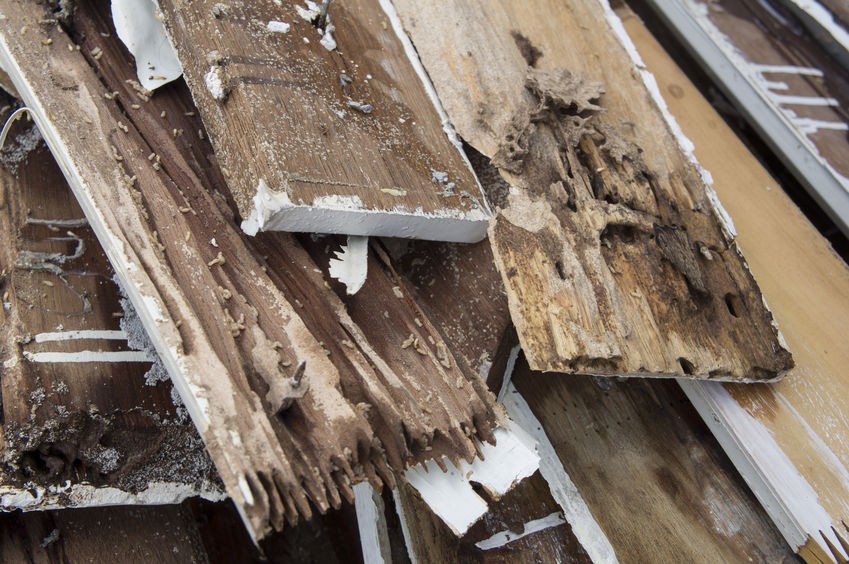
Is Dry Rot a Health Concern for You?
Dry rot itself doesn’t produce the same toxic spores as some moulds, but it can lower indoor air quality, especially in poorly ventilated spaces. The musty, earthy odour it releases may trigger irritation or asthma symptoms in sensitive people.
More importantly, dry rot signals a chronic moisture issue in your property. Persistent damp encourages other moulds and bacteria to grow; prolonged exposure to those can worsen allergies, cause breathing difficulties, and pose serious risks for children, older people, or anyone with weakened respiratory health.
- Watch for: persistent damp, musty smells, worsening respiratory symptoms.
- Act: improve ventilation, remove moisture sources, and get professional treatment if needed.
The Danger of Structural Decay
Dry rot can undermine the strength of your home’s timber, turning solid joists, beams and floorboards into brittle, crumbling material that fails under normal loads. You may notice sagging floors, doors that jam, or cracked plaster as affected elements lose their load-bearing capacity.
The fungus moves beyond timber, spreading through porous masonry and across construction joints, so a small leak in an attic can lead to damage several storeys down. When infestation advances, large areas of flooring or wall timbers often require removal and replacement, not just surface repairs.
- Safety risk: Compromised structural members increase collapse and injury risk.
- Cost factor: Repairs become extensive and costly when decay reaches multiple structural elements.
Causes of Dry Rot
Early indicators that suggest dry rot may be present
Watch for a persistent musty, mushroom-like odour in rooms, lofts or wall cavities — it often appears before visible damage.
Look for timber that has changed colour, developed cube-like cracking or surface checking.
Tap timber: a hollow, papery sound or wood that crumbles easily points to advanced decay.
Search surfaces for fine white, cotton-wool mycelium or grey filaments spreading across timber and nearby masonry.
Check for orange-brown powdery spore deposits around joists, skirting or beam ends.
- Act quickly on these signs to limit spread and repair costs.
How Damps Can Treat Your Dry Rot
Damps inspects your property thoroughly to pinpoint moisture sources and map fungal spread.
They remove contaminated timber and materials, then apply professional fungicidal treatments to stop the decay.
You receive clear guidance on necessary repairs or replacements and a plan to remedy the underlying damp issue.
Their approach combines remediation with moisture control so the fungus cannot re-establish.
Contact them to arrange a survey and timely, practical restoration of your affected areas.
Preventing Dry Rot with Effective Damp Proofing
You should treat damp control as a first line of defence against dry rot. Install or repair damp-proof courses, ensure adequate ventilation, and seal points of water entry to stop rising damp and condensation before timber becomes vulnerable. Regular inspections let you spot early signs — salt stains, peeling plaster or musty odours — and deal with them quickly. Use a combination of measures: chemical damp-proofing where needed, breathable wall membranes, and targeted repairs to flashing and gutters. Keep roofspaces and underfloor voids ventilated and remove persistent sources of moisture. A planned maintenance approach reduces the chance of fungal decay and saves you significant repair costs over time.
Don’t Delay if You Suspect Dry Rot
If you spot signs of dry rot, act promptly to stop spread and structural harm. Book a professional inspection without delay.
- Phone or email a qualified specialist
- Arrange a survey to locate moisture sources and affected timber
- Follow recommended repairs and moisture control measures to protect your property and occupants
Frequently Asked Questions
What hazards can dry rot create in your home?
Dry rot attacks timber and can cause extensive damage to floors, joists, window frames and roof timbers. It can make wooden elements brittle and prone to cracking or collapse, and it often spreads into hidden cavities and masonry. Secondary problems such as damp, mould growth and reduced property value commonly follow.
Could dry rot weaken your building’s structural safety?
Yes. When left unchecked, dry rot consumes the cell structure of wood, reducing load-bearing capacity. That loss of strength can lead to sagging floors, distorted door frames or, in severe cases, failure of structural members that require professional repair or replacement.
Should you act straight away when you spot dry rot?
You should arrange assessment promptly. Quick action limits spread, reduces repair costs and prevents further structural loss. A qualified inspector can confirm the extent, recommend containment and advise on remedial works and moisture control.
What health issues might arise from exposure to dry rot?
Dry rot itself is not generally highly toxic, but it can worsen indoor air quality by encouraging mould and dust, which may aggravate respiratory conditions or allergies. Disturbed spores and fungal fragments can irritate sensitive individuals, so limit exposure during inspection and repairs.
How can you spot dry rot early on?
Look for tell-tale signs: timber that is darkened, cracked into cuboid flakes, or feels dry and crumbly; a musty or damp smell; white mycelial growth or orange-brown fruiting bodies; and swollen or decayed plaster and skirting. Check areas with persistent moisture, poor ventilation or previous leaks.
What steps prevent dry rot spreading in your property?
Control moisture sources by repairing leaks, improving drainage and adding ventilation. Remove or replace infected timber and treat adjacent areas with appropriate fungicidal measures where recommended. Maintain clear air gaps around timbers, use treated timber in vulnerable locations and schedule regular inspections to catch problems early.
