
Whats a Waterproof Membrane: Clear Guide to Types, Uses and Installation
A waterproof membrane provides a continuous barrier that stops water and damp from penetrating your building fabric. Applied to roofs, walls, floors and basements, these layers protect structural elements and internal finishes, helping your property remain dry and durable over time.
You can choose different membrane types and application methods to match your specific needs, whether for a home or commercial project. Selecting the right membrane and installing it correctly reduces the risk of moisture-related decay, mould and costly repairs.
Types of Waterproof Membranes
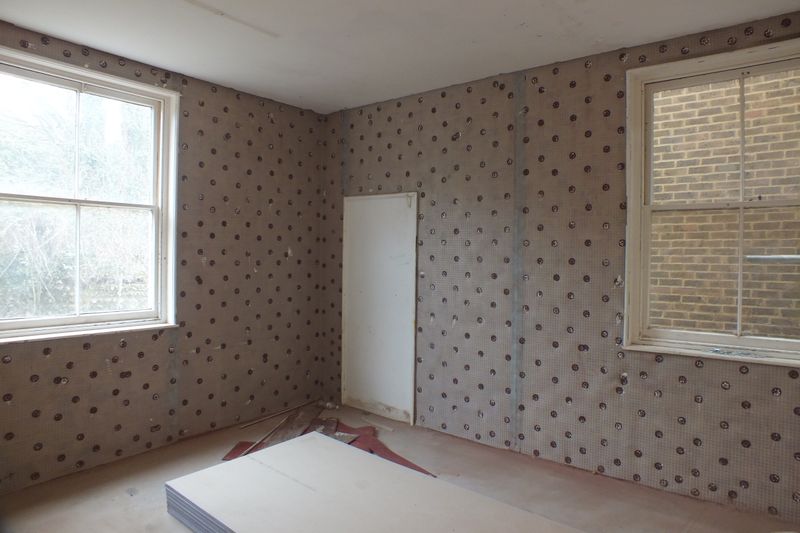
You can choose from several membrane formats depending on the job and substrate. Sheet systems come as factory-made rolls—bitumen, PVC or rubber—that you lay or weld to form a barrier. Liquid systems are brushed or sprayed on and cure to a seamless, flexible coating that follows complex shapes. Cement-based coatings suit basements and tiled wet areas, offering a rigid, durable layer. Self-adhesive membranes have a tacky backing so you press them onto surfaces for faster, often cleaner installation. Use the format best matched to exposure and movement.
Why Are Waterproof Membranes Important?
Waterproof membranes stop moisture from entering your building fabric, protecting finishes and structural elements from decay.
They reduce the risk of mould and mildew, which can damage materials and harm indoor air quality.
For below-ground spaces like basements, membranes prevent ground water and damp from seeping into living areas, making conversions viable and long-lasting.
They also block rising damp in older properties, stopping salt stains, peeling paint and weakened plaster.
Benefits at a glance:
- Protects structure: prevents rot, corrosion and mortar breakdown.
- Preserves finishes: keeps paint, flooring and plaster intact.
- Improves health: lowers mould-related risks.
- Saves money: cuts future repair and maintenance costs.
Where Are Waterproof Membranes Used?
You use waterproof membranes across buildings to stop water entering vulnerable zones. Common applications include basements and other subterranean spaces, roofs and roof terraces, and wet rooms such as bathrooms. You should also protect foundations and retaining walls to preserve structural integrity. Balconies, decks and other exposed outdoor areas benefit from membrane layers to prevent ongoing moisture damage.
How to pick the correct waterproofing layer
Assess where you’re applying the membrane and match the product to that setting—roofing, basements, balconies and wet rooms all have different demands.
Check the substrate: concrete, timber and metal often need specific adhesive or flexible systems.
Factor in local climate—UV exposure, freeze–thaw cycles and heavy rain affect material choice and thickness.
Prioritise proven lifespan and maintenance needs to reduce long‑term costs.
Decide if you will install it yourself or hire professionals; complexity varies by system.
The Role of Property Surveys in Waterproofing
A detailed survey pinpoints weak spots, water entry routes and existing damp issues so you can choose the right membrane and method.
- Professional inspection informs design and material choice.
- Survey findings reduce installation risk and protect your building’s fabric.
Frequently Asked Questions
What are the main benefits of using waterproof membranes in building work?
Waterproof membranes protect structures from water ingress, reducing risks of rot, corrosion and mould.
They extend the lifespan of building materials and reduce long‑term repair costs.
You also gain improved indoor comfort and air quality by preventing damp-related problems.
How is a waterproof membrane different from a damp‑proof membrane?
A waterproof membrane blocks liquid water under pressure and will perform in harsher, wetter conditions.
A damp‑proof membrane typically resists moisture vapour and minor damp but is not designed for sustained water exposure.
Choose waterproof membranes where water contact or hydrostatic pressure is likely; use damp‑proofing for basic moisture control.
Can you add a waterproof membrane to an existing building, and what methods work?
Yes. You can retrofit membranes externally (tanking, cavity membrane) or internally (injection, surface coatings).
Common approaches include adhesive sheet membranes, liquid‑applied coatings, and cementitious renders.
Select a method based on access, substrate condition and whether you need a permanent external barrier or an internal remedial treatment.
What are recommended steps when fitting waterproof membranes on flat roofs?
Ensure the roof deck is clean, dry and structurally sound before you begin.
Use compatible primers, apply membranes with correct laps and detail around penetrations, then finish with protective layers or ballast.
Follow manufacturer instructions for temperature, curing time and any specialised detailing at upstands, drains and joints.
Which membrane types work best in very humid environments?
Liquid‑applied membranes and certain sheet systems with high vapour resistance suit high‑humidity locations.
Breathable membranes can work where you need to manage vapour movement without trapping moisture in construction assemblies.
Match membrane vapour/permeability properties to the building’s ventilation and substrate to avoid trapped moisture.
How frequently should you inspect and maintain waterproof membranes?
Carry out visual inspections at least once a year and after severe weather events.
Look for punctures, seam failures, blistering and blocked drainage; clean and repair defects promptly.
Follow the membrane supplier’s maintenance schedule and reapply protective coatings or finishes as recommended.
