
How To Stop Condensation In Bathrooms — Practical Fixes To Prevent Mould And Dampness

A mouldy bathroom can be hard to manage and can pose risks to your health if left unchecked. Because bathrooms regularly produce high levels of moisture, condensation often forms on surfaces and, without action, can lead to persistent damp and mould growth.
You can reduce condensation and stop mould by changing simple habits and making targeted improvements. Small steps — like lowering shower temperature, improving ventilation, or fitting an extractor fan — make a big difference to moisture levels and help keep your bathroom dry and healthier.
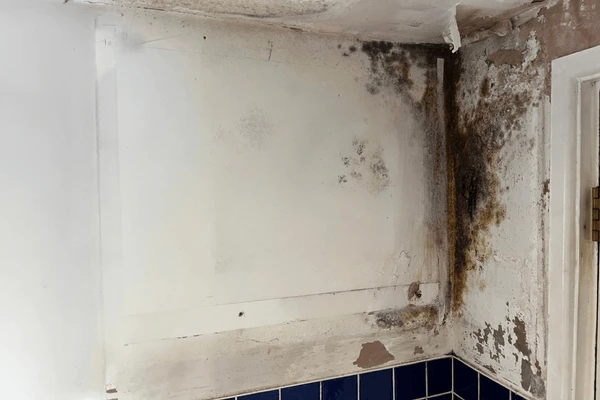
Why bathrooms collect condensation
Bathrooms generate lots of water vapour when you shower or run a bath. That warm, moist air meets cooler surfaces — mirrors, tiles, windows, and fittings — and releases moisture as droplets.
Poor ventilation prevents that humid air from being replaced with drier air, so moisture lingers and keeps condensing. If you use the room frequently, the continuous water use raises overall humidity, increasing how often and how much condensation forms.
Cool room temperatures or inadequate heating make surfaces colder than the air, which encourages more condensation. Over time, repeated wetting can encourage mould, peeling paint and damage to grout and plaster.
- Main drivers: steam production, limited airflow, cool surfaces, repeated water use, and low heating.
- Immediate signs: fogged mirrors, damp walls, and wet window sills.
How condensation forms
When warm, moist air meets a cooler surface, the air cools and releases water as droplets on tiles, mirrors or walls. You’ll often see this after showers because bathrooms produce a lot of humidity. If the room stays humid and surfaces stay cold, those droplets can persist and encourage mould growth. You can reduce it by lowering humidity or raising surface temperatures.
Tips to prevent bathroom condensation
Fit a dedicated extraction fan
Install a correctly sized extractor fan to remove humid air straight to the outside. Run the fan during showers and for at least 15–20 minutes afterwards, and clean the grille and blades regularly to maintain airflow and efficiency.
Opt for cooler or shorter showers
Lower the water temperature or reduce your shower time to cut steam production. Shorter, less-hot showers also reduce energy use and make it easier for the room to dry naturally.
Encourage natural ventilation
If you have a window, open it while you shower or immediately afterwards to let moist air escape. Even brief ventilation breaks can shift damp air out and draw drier air in, reducing surface wetness.
Maintain background warmth
Keep the room reasonably warm so surfaces don’t sit much colder than the air. Use a timer on a heater, heated towel rail, or underfloor heating to minimise temperature differences that cause condensation.
Remove water from surfaces
Keep a squeegee by the shower and wipe down glass, tiles and mirrors after use to prevent droplets from lingering. A quick pass with a towel or squeegee greatly reduces the area and time that mould can take hold.
Clean frequently to deter mould
Clean tiles, grouting and seals at regular intervals with an appropriate cleaner to remove spores and grime. Pay attention to corners, behind fittings and around window frames where moisture accumulates.
Use moisture-resistant wall finishes
Choose paints and wall panels formulated to resist mould and damp for wet zones around baths and showers. These products create a surface less friendly to mould growth and make cleaning easier.
Insulate pipes and walls
Fit insulation around cold water pipes and consider insulating exterior walls to reduce cold spots. Insulation narrows the temperature gap between air and surfaces, lowering the risk of condensation and improving energy efficiency.
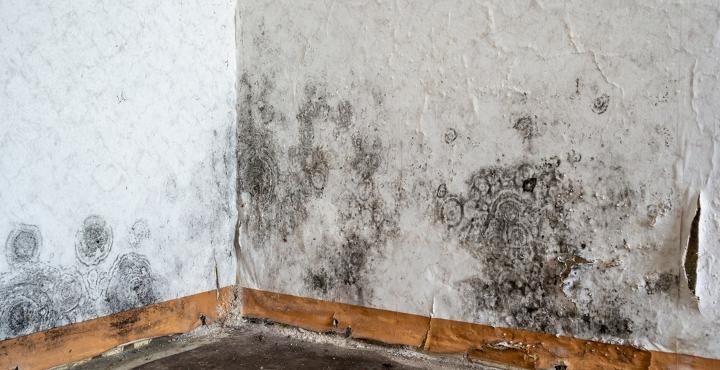
Bathroom mould and damp problems
Persistent condensation creates the moist conditions that let mould and damp take hold. You may see black or grey fungal patches on grout, tiles, walls or ceilings, and wallpaper can bubble or peel where moisture sits.
Common issues to watch for:
- Surface damp — visible staining, flaking paint or damp patches where warm air meets cooler surfaces.
- Interstitial damp — moisture trapped inside cavity walls that can weaken plaster and finishes over time.
- Rising damp — ground moisture that can worsen if ventilation and drainage are poor.
- Black mould — thrives in persistent humidity and can affect indoor air quality.
- Timber decay — prolonged damp promotes wet or dry rot in joists, cabinets and door frames.
You can reduce risk by keeping the room warm, ventilated and dry after bathing. Wiping down wet surfaces, using an extractor fan or dehumidifier, and avoiding indoor clothes drying help prevent repeated condensation.
If you notice recurring damp, unexplained stains or a musty smell, arrange a professional assessment. Prompt action limits damage to surfaces and reduces potential health and structural impacts.
FAQs
My bathroom has no window — what should I do?
Fit a correctly sized extractor fan and run it during and after bathing to expel moist air. Combine the fan with measures like insulating cold pipes and walls, wiping down wet surfaces after use, and keeping the room at a moderate temperature to reduce surface cooling. Consider moisture‑resistant finishes (such as specialist paint or wall panels) to make cleaning easier and slow mould growth.
Is a dehumidifier suitable for bathroom use?
You can use a dehumidifier, but choose a model rated for high‑humidity, wet environments and follow the manufacturer’s safety guidance. Look for features such as an automatic shut‑off, splash‑resistant design, and appropriate IP rating. Keep the unit and its cable clear of sinks, baths and showers, and use it as a supplement to ventilation rather than a sole fix.
Could mould in my bathroom affect my health?
Yes — prolonged exposure to mould spores can trigger respiratory symptoms, skin irritation and allergic reactions, and may worsen asthma. Damp, unclean bathrooms can also support bacterial growth that raises infection risk. Remove visible mould promptly with appropriate cleaners, improve ventilation and dryness, and seek medical advice if you experience persistent breathing or allergy problems.
Bold checklist for quick action:
- Fit and run an extractor fan.
- Wipe surfaces and dry textiles after use.
- Insulate cold surfaces and pipes.
- Use mould‑resistant finishes.
- Use a bathroom‑rated dehumidifier safely, if needed.
Frequently Asked Questions
What ventilation methods work best to lower bathroom humidity?
Use an extractor fan rated for the bathroom size and run it during and for at least 10–20 minutes after showers.
Open windows when weather allows to create cross-ventilation, even briefly, to exchange moist air.
Consider a continuous low-speed trickle fan or heat-recovery ventilator (HRV) in high-use homes to keep humidity down without large heat loss.
Will anti-condensation paint stop moisture forming on walls?
Anti-condensation paint can reduce surface cooling and slow visible damp patches, but it does not remove moisture from the air.
Treat it as a supplementary measure: combine with ventilation and moisture control for reliable results.
Check product specifications for breathability and suitability for wet-room environments to avoid trapping moisture behind the coating.
How does room temperature influence condensation risk in the bathroom?
Warmer air holds more moisture, so rapid cooling of moist air onto cold surfaces causes condensation.
Keeping bathroom surfaces and room air at a moderate, stable temperature reduces the likelihood of water vapour condensing.
Use central heating timers, a heated towel rail, or underfloor heating to keep surfaces less cold in cooler months.
How does maintaining plumbing fixtures help reduce condensation?
Leaky taps, pipes and fittings raise baseline humidity and can create cold, wet surfaces that attract condensation.
Repair drips, insulate exposed cold water pipes and fix overflow or seal failures promptly.
Regular checks prevent hidden moisture sources that worsen humidity and promote mould.
Which materials resist condensation on bathroom surfaces?
Non-porous, smooth finishes such as glazed tiles, sealed acrylic and glass show less moisture absorption and are easier to wipe dry.
Insulated or warmer-to-touch materials (for example, insulated window frames or thermal-backed panels) reduce cold spots where condensation starts.
Avoid untreated wood and highly porous paints on frequently wet walls; if used, ensure proper sealant and ventilation.
How should you manage indoor humidity to prevent bathroom condensation?
Aim for relative humidity around 40–60%; below 60% helps limit mould growth and condensation.
Control moisture at the source: use shorter, cooler showers, close the bathroom door while showering and run extraction.
Use a hygrometer to monitor levels, and consider a dehumidifier in persistently damp rooms combined with the other measures listed above.
