
Damp Proofing Cost: A Clear Guide to Prices, Methods and Savings

Kitchens produce a lot of heat and steam every day, which can cause moisture to settle on walls, windows and cupboards. If you ignore that moisture it can encourage mould, damage paint and plaster, and over time contribute to structural problems.
You can prevent and control kitchen condensation with a few straightforward actions and targeted fixes. The following advice focuses on practical steps you can take to reduce damp, protect surfaces and keep your kitchen healthier.
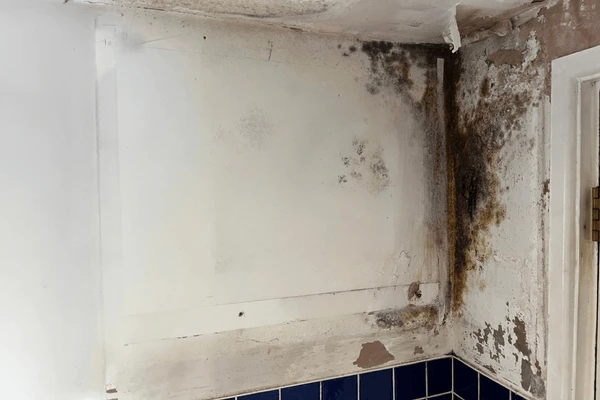
What Makes Moisture Form in Your Kitchen?
Warm, humid air from cooking, boiling or dishwashing meets cooler surfaces — windows, tiles and walls — and turns to water.
Poor ventilation and weak insulation let that moist air linger, raising surface dampness and the risk of mould.
Preventing it means removing or cooling the moist air and improving airflow so condensation can’t settle on cold surfaces.
Why It’s Important to Address Condensation
Condensation left unchecked harms your home and health. Mould thrives on damp surfaces and can trigger or worsen allergies and breathing problems for you or your family. Constant moisture also damages plaster, paint and joinery, shortening the life of walls, cabinets and ceilings.
Damp areas often develop musty odours that make your kitchen unpleasant. Acting early helps protect your property’s fabric and reduces the chance of costly repairs. If you spot persistent damp or mould, get professional advice to assess and fix the underlying cause.
How to Stop Condensation in the Kitchen
1. Boost airflow around the room
Fit and use an extractor fan that vents outdoors rather than recirculating air. Open a window when you cook if weather and security allow, and consider installing trickle vents in window frames to give continuous, low-level ventilation. Even short bursts of fresh air during and after cooking remove a lot of moisture.
2. Manage indoor moisture
Keep indoor humidity at a moderate level with a portable dehumidifier if needed, especially in colder months. Reduce moisture sources where you can and use moisture-absorbing products in cupboards or behind appliances. Certain houseplants can help a little, but don’t rely on them as the sole solution.
3. Warm up cold surfaces
Reduce cold surfaces where water can form by upgrading glazing and adding insulation. Double-glazed windows and improved wall insulation raise surface temperatures and cut the likelihood of droplets forming. Insulating exposed pipes and cold exterior walls also helps.
4. Change how you cook
Cover pans while boiling or simmering to keep steam contained, and use lower heat settings where appropriate to reduce steam production. Switch on the extractor fan before you start cooking and leave it running for a few minutes afterwards to clear remaining moisture.
5. Remove visible moisture immediately
Wipe down wet windows, splashbacks and worktops after cooking to stop water sitting and soaking into surfaces. Keep a cloth or squeegee handy; quick removal prevents mould and staining.
6. Keep fittings and systems in good order
Check for and repair leaking taps, pipework and appliance seals promptly. Service extractor fans and inspect ventilation paths regularly so they continue to work efficiently.
Advanced Solutions for Persistent Condensation
1. Fit a Positive Input Ventilation unit
A PIV unit forces filtered outside air into your home, lowering indoor humidity and expelling damp air. Install it in the loft or a high point so air circulates through rooms, reducing lingering moisture and helping prevent mould on cold surfaces.
2. Use specialist anti-condensation coatings
Apply a purpose-made anti-condensation paint to walls that collect moisture. These paints contain thermal additives that raise surface temperature slightly, cutting dew formation and making walls less likely to support mould.
3. Replace with low-steam appliances
Choose modern kitchen units designed to limit steam output and improve efficiency. Look for dishwashers and cookers with steam-reduction features or vented options to reduce moisture released during cooking and cleaning.
Professional Help for Condensation Issues
If persistent condensation affects your kitchen, get a qualified damp specialist to inspect the problem. They can run a full damp survey, identify root causes and recommend targeted fixes. Typical professional options include damp-proof membranes, improved ventilation installations and structural repairs tailored to your room and severity.
Final thoughts on reducing kitchen condensation
Adopt consistent habits like using lids, turning on extractor fans and opening windows to keep steam under control.
Combine ventilation, steady heating and dehumidification to lower moisture levels and prevent mould growth.
If condensation persists despite these steps, consider professional assessment to check ventilation, insulation or structural damp.
Bold, simple actions taken regularly often stop recurring problems and protect your kitchen and belongings from long‑term damp damage.
Frequently Asked Questions
How much should you budget for treating damp in a typical three‑bedroom house?
Costs vary by method and extent of work. Expect a basic condensation control package (improved ventilation, extractor upgrade, minor sealing) to start from a few hundred pounds. More extensive damp-proofing that includes structural repairs, plaster replacement or insulation can rise to several thousand pounds.
What range of costs applies to installing a damp‑proof course in a home?
A damp‑proof course (DPC) cost depends on access and construction. For straightforward cavity wall DPC you might pay under £1,000; for invasive treatments such as chemical injections or complete physical DPC replacement, prices commonly run into the low thousands. Ask for itemised quotes to compare methods and warranties.
Will you face extra charges when treating rising damp?
Yes — additional fees are common. You may pay for diagnostic surveys, replastering with breathable materials, timber and floor repairs, and redecorating. Contractors often quote separately for plaster removal, disposal and reinstatement, so request a full breakdown.
What is the typical cost per metre for damp‑proofing work in the UK?
Per‑metre rates depend on technique and region. Chemical injection treatments are frequently priced per metre of affected wall and can vary widely; indicative figures often range from tens to a few hundred pounds per metre. Use local quotes to get accurate per‑metre figures for your property.
Does the size and seriousness of damp change the final bill?
Yes. Larger affected areas and deeper or long‑standing damp require more materials, labour and preparatory work, pushing costs higher. Surface condensation problems are cheaper to fix than widespread rising damp or penetrating damp that needs structural intervention.
How does the property's type affect damp‑proofing charges?
Property age, construction and access matter. Period buildings, solid‑walled houses or flats with restricted access usually cost more to treat than modern cavity‑walled homes. Flats may require building‑wide solutions and permissions, which adds complexity and expense.
