
How to Prevent Condensation Damp: Practical Solutions That Work — A Clear Guide to Reducing Moisture and Mould

Condensation damp forms when warm, moist air hits cold surfaces and leaves water behind — and you can stop it with practical, proven steps. You should focus on controlling moisture sources, improving ventilation, and keeping surfaces warmer to prevent condensation before it becomes mould or structural damage.
This article shows how to spot the signs, identify whether condensation is the real cause, and apply straightforward solutions such as extractor fans, trickle vents, heating strategies and targeted dehumidification. Follow clear, actionable advice so your home stays dry and healthy without expensive or uncertain fixes.
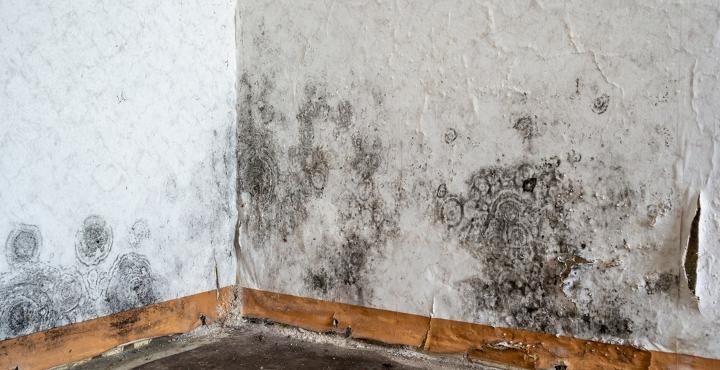
Understanding Condensation Damp
Condensation forms when warm, moist air touches a cold surface and releases water. You will learn what drives this process in your home, how to spot it early, and the health and fabric risks if you leave it unchecked.
What Causes Condensation Damp
Condensation damp comes from excess indoor moisture meeting cold surfaces. Common sources include boiling, showering, drying clothes indoors, and even breathing in poorly ventilated rooms. Modern, well-sealed windows and doors reduce natural ventilation, which traps humidity and raises indoor dew points.
You should check areas with poor airflow and cold bridging, such as external walls behind wardrobes, single-glazed windows, and uninsulated corners. Heating that’s switched off for long periods lets surfaces cool below the air’s dew point, increasing condensation overnight. Behavioural changes and targeted ventilation usually control it before structural damp sets in.
Identifying Signs of Condensation
Look for persistent water droplets on the inside of windows, black mould in corners, and a musty smell in wardrobes or behind furniture. Paint peeling, damp patches on walls and ceilings, and wet wallpaper edges are also clear indicators.
Inspect rooms after high-humidity activities (cooking, showering) and note where moisture reappears quickly. Use a hygrometer to measure humidity; sustained relative humidity above 60% indoors suggests you need action. Photographing recurrence spots helps track progress after you change ventilation or heating habits.
Risks Associated with Condensation Damp
Condensation left unaddressed can damage finishes and joinery, stain plaster and wallpaper, and corrode metal fittings. Recurrent mould growth harms fabrics and soft furnishings, leading to costly replacements or redecorations.
Health risks include increased respiratory symptoms and allergies, particularly for children, older adults, and people with asthma. Mold spores can trigger wheeze and irritation; controlling humidity to below 60% reduces that risk. Structural problems are less common but possible if condensation contributes to long-term damp that affects timbers or plaster.
Effective Solutions to Prevent Condensation Damp
Target the sources of moisture, improve airflow, control humidity and keep surfaces warm to stop condensation forming on windows, walls and furniture.
Improving Ventilation in Living Spaces
Open windows briefly but regularly to create cross‑ventilation; aim for 5–10 minutes twice a day in living rooms and bedrooms. Use trickle vents where fitted to maintain a low level of background airflow without large heat loss.
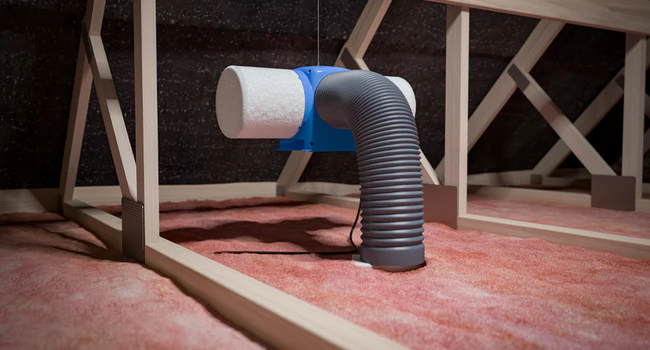
Install and use extractor fans in kitchens and bathrooms. Choose models that vent to the outside and run them during and for 20–30 minutes after cooking or showering. If you cannot install ducting, use portable fans to move moist air towards a window.
Position furniture away from external walls to allow air to circulate behind wardrobes and sofas. Keep internal doors open when possible so humid air can disperse and reach extraction points.
Managing Indoor Humidity Levels
Measure humidity with a digital hygrometer; keep relative humidity between 40–60%. This range reduces condensation risk while remaining comfortable for occupants.
Dry clothes outdoors when possible. If you must dry indoors, use a vented tumble dryer or run the dehumidifier on a low setting in the drying room and keep the door closed.
Use a mechanical dehumidifier in persistently damp rooms, emptying or draining it regularly. For lower-cost control, houseplants should be grouped and limited in number because they release moisture; move them to well‑ventilated rooms.
Enhancing Home Insulation
Improve window performance by installing double or triple glazing to reduce cold surfaces that attract moisture. Fit draught excluders around frames to stop cold air infiltration.
Insulate external walls, lofts and floors where practical to raise internal surface temperatures. Focus first on uninsulated lofts and cavity wall gaps, which often deliver the biggest reduction in surface cold spots.
Insulate around pipework and behind radiators on external walls. Use breathable, vapour‑permeable materials in older buildings to avoid trapping moisture within solid walls.
Proper Heating Practices
Maintain a consistent, low background temperature rather than heating intermittently. Set thermostats to keep rooms warm enough to stop surfaces falling below the dew point, typically around 15–18°C in living areas.
Use thermostatic radiator valves to balance heat between rooms; prioritise bedrooms and rooms with external walls. When away briefly, reduce rather than switch off heating to prevent cold surfaces.
Combine heating with ventilation and humidity control: run extractors during hot‑water use and dehumidifiers when necessary to avoid simply spreading moisture with warm air.
Frequently Asked Questions
You will find clear, practical actions you can apply immediately: how to lower indoor humidity, where ventilation helps most, effective insulation options, temperature strategies that reduce condensation, and targeted protection for vulnerable rooms.
What practical steps can I take to reduce humidity levels at home?
Use extractor fans when cooking and showering and run them for at least 20 minutes afterwards. Open a window briefly while you cook to remove steam at source.
Dry washing outdoors where possible, or use a tumble dryer vented outside. If you must dry clothes inside, place them in a well-ventilated room with a window open and a dehumidifier running.
Fit a hygrometer to monitor relative humidity; aim for 40–60%. If levels stay above that, add a dehumidifier or increase ventilation frequency.
Can improving ventilation effectively combat condensation damp?
Yes. Ventilation removes moist air before it cools and forms condensation on cold surfaces. Mechanical extract fans in kitchens and bathrooms are particularly effective.
Install trickle vents on windows or use heat-recovery ventilators if you need continuous ventilation without large heat loss. Ensure vents and fans are clean and working; blocked ducts and dusty fans reduce performance.
What are the best ways to insulate my home to prevent condensation?
Insulate walls (cavity or internal), lofts and floors to keep internal surfaces warmer and reduce cold bridging. Warmer surfaces are less likely to attract condensation.
Upgrade to double- or triple-glazed windows to reduce cold glass surfaces. Insulate around window reveals and sill areas where condensation commonly forms.
Address thermal bridges around doors, pipework and wall junctions using targeted insulation or airtight sealing. Professional surveys can identify hidden cold spots needing treatment.
How does maintaining a consistent temperature help in preventing damp?
Keeping a steady background heat reduces the temperature difference between air and surfaces, which lowers the chance of condensation forming. Even low, consistent heating overnight helps.
Use thermostatic radiator valves or smart controls to avoid large temperature swings. Heat rooms you use regularly and keep bedroom doors closed to concentrate warmth where needed.
Are there specific areas in the home that are more prone to damp and how can I protect them?
Bathrooms, kitchens and behind wardrobes against external walls are high-risk areas because of steam and poor airflow. Fit extract fans, leave cupboard doors open occasionally, and avoid blocking vents.
Basements and ground-floor rooms often suffer from cold walls and rising damp. Check external drainage, maintain guttering, and consider internal or external damp-proofing if you find persistent moisture.
What lifestyle changes can I adopt to minimise the risk of condensation damp?
Cook with lids on pans and use extractor fans every time you cook. Take shorter showers or lower the shower temperature to reduce steam production.
Keep a small gap between furniture and external walls to allow air circulation. Wipe visible condensation from windows daily and clean any mould with a fungicidal wash, then address the moisture source.
