
What Causes Condensation Damp and Black Mould in Homes? Causes, Prevention and Remediation Guidance

Condensation forms when warm, moist air in your home meets a cold surface, and that moisture often leads to damp patches and black mould if you don’t control it. Most household mould and damp come from condensation caused by everyday activities like cooking, showering and drying clothes indoors, plus poor ventilation or cold surfaces that let moisture settle.
You’ll find the article will explain the main triggers—internal moisture sources, leaks or building defects—and the practical steps you can take to stop moisture building up. Expect clear prevention tips, contributing factors to watch for, and answers to common concerns so you can protect your home and health.
Primary Causes of Condensation Damp and Black Mould in Homes
These problems stem from excess indoor moisture, inadequate airflow, and cold surfaces where water collects. Each factor interacts: more moisture plus poor ventilation and cool building elements greatly increases risk.
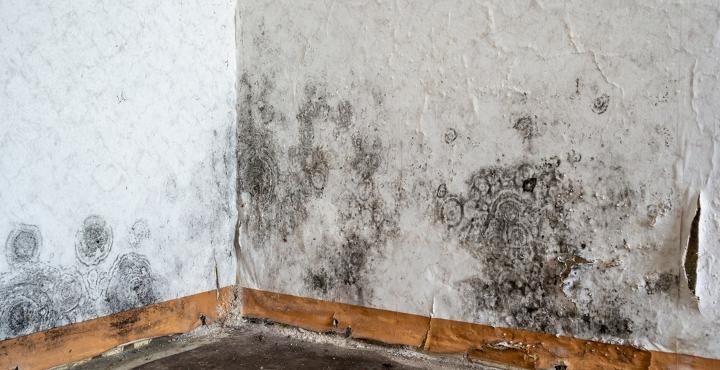
Moisture and Humidity Levels
You generate moisture constantly: cooking, showering, drying clothes indoors and breathing all add litres of water vapour each day. If that vapour cannot escape, indoor relative humidity rises above 60% and surfaces become damp to the touch.
Measure humidity with a hygrometer in kitchens, bathrooms and bedrooms to spot persistent high readings. Look for visible signs too — wet windowsills, beads of water on walls, or a persistent musty smell. Reducing sources helps: use lids on pans, run extractor fans during and after showers, and avoid drying laundry inside without ventilation.
Poor Ventilation
Poor ventilation traps moist air and prevents it from being replaced with drier outside air. Rooms with sealed windows, blocked trickle vents or no mechanical extraction are particularly vulnerable, especially if you keep windows closed for warmth.
Install or use extractor fans that vent outside in bathrooms and kitchens, open windows briefly but regularly to create cross‑ventilation, and keep vents unblocked. In flats or houses with centralised ventilation, ensure filters are clean and systems are balanced so stale, humid air is removed from wet rooms.
Temperature Differences and Cold Surfaces
Condensation forms where warm, moisture‑laden air meets a cold surface: window glass, poorly insulated external walls, or unheated corners. Thermal bridges — gaps in insulation at junctions — make local temperatures drop and promote surface condensation.
Improve surface temperatures by insulating walls and upgrading glazing, and keep a low background heat to reduce cold spots. Fit double or triple glazing, add loft and wall insulation where possible, and avoid placing wardrobes against external walls which trap cold and hide damp.
Contributing Factors and Prevention Strategies
You need to address building fabric, daily habits, heating choices and upkeep to reduce condensation, damp and black mould. Practical changes in each area cut moisture sources and improve drying and ventilation.
Building Materials and Insulation
Poor insulation and cold bridge areas let surfaces fall below the dew point, so moisture from inside air condenses on walls, window frames and behind fitted wardrobes. Solid-wall properties and older single-glazed windows are especially prone; cavity walls with broken or absent insulation can also conduct cold into internal surfaces.
Preventative actions:
- Improve insulation: add loft insulation, insulate walls where feasible, and consider secondary glazing for single-pane windows.
- Eliminate cold bridges: insulate around pipework and window reveals; fit insulated backboards behind wardrobes against external walls.
- Use breathable materials: choose vapour-permeable plaster and paint on older solid walls to allow any trapped moisture to evaporate rather than remain behind impermeable finishes.
Everyday Household Activities
Activities such as cooking, showering, drying laundry indoors and even boiling kettles add large volumes of water vapour to the air. An average shower can release several litres of water into the room; drying clothes on radiators or indoors significantly increases room humidity for hours.
Control strategies:
- Ventilate at source: use extractor fans in kitchens and bathrooms and run them for 10–15 minutes after use.
- Drying choices: use a condenser or vented tumble dryer that discharges outdoors, or dry clothes outdoors/ in a ventilated space.
- Small behavioural changes: cover pans when cooking, close bathroom doors while showering, and open a window slightly when showering or cooking to remove steam quickly.
Heating Practices
Intermittent, low-level heating reduces the risk of cold surfaces that attract condensation. Leaving rooms completely unheated overnight or during work hours allows surfaces to cool and increases condensation when you next heat the room.
Effective heating tips:
- Maintain background heat: keep thermostats at a modest but steady setting (e.g., 16–18°C in colder months) to keep wall and window temperatures above the dew point.
- Use zonal heating: heat frequently used rooms rather than leaving the whole house cold; this prevents local cold spots where mould forms.
- Avoid rapid temperature swings: gradual warming reduces the amount of moisture the air can no longer hold and so limits condensation on surfaces.
Maintenance and Repairs
Small defects often create or worsen damp problems: blocked vents, leaking roofs, faulty guttering and failed sealant allow water ingress or reduce airflow. Mould often establishes where leaks or persistent damp go unreported and unrepaired.
Checklist for action:
- Inspect and repair: clear gutters, fix leaking pipes, replace failed window seals and repair roof tiles promptly.
- Maintain ventilation: ensure trickle vents and extractor fans are unblocked and functioning; clean fan filters regularly.
- Treat affected areas correctly: remove mould-affected plaster where necessary and use appropriate fungicidal treatment before redecorating with breathable materials to prevent recurrence.
Frequently Asked Questions
This section explains how airflow, temperature differences, indoor humidity and daily activities create condensation, damp patches and black mould. It also lists practical steps you can take and how insulation changes moisture behaviour inside your home.
How can poor ventilation contribute to dampness and mould growth?
Poor ventilation traps moisture released by cooking, washing and drying clothes indoors. That moisture settles on cold surfaces and in corners, feeding mould spores and causing damp stains.
Lack of extraction in kitchens and bathrooms makes the problem worse. You should use extractor fans, open windows briefly after activities that create steam, and avoid leaving internal doors closed for long periods.
What role does temperature variation play in the formation of condensation within the home?
Condensation forms when warm, moist air meets a cooler surface and releases water. Large temperature differences between rooms, or between air and walls, cause droplets to appear on windows, behind wardrobes and on external walls.
Keeping a more even temperature across rooms reduces the chance of surfaces falling below the dew point. Use low background heating and avoid overheating one room while leaving others cold.
Can high humidity levels indoors lead to condensation and mould issues?
Yes. When indoor relative humidity regularly exceeds about 60%, moisture accumulates on surfaces and encourages mould growth. You can measure this with an inexpensive hygrometer; sustained high readings indicate a need to reduce moisture sources or improve ventilation.
Aim for 40–60% relative humidity as a practical target. Run extraction fans during and after showers, and dry clothes outside where possible to lower indoor humidity.
In what ways can everyday activities increase the risk of damp and mould?
Common activities such as showering, boiling kettles, drying laundry indoors and long hot baths produce significant water vapour. Cooking without lids or venting, and leaving windows closed while doing these things, raises indoor moisture quickly.
Storing items against external walls and blocking air vents also prevents natural drying. Change habits like opening a window after showering and avoiding tumble-drying indoors without venting.
What measures can be taken to reduce excess moisture in domestic environments?
Use extractor fans in kitchens and bathrooms and run them for 10–20 minutes after use. Ventilate by opening windows briefly but regularly, and consider a heat-recovery ventilator if ventilation is poor or you need to maintain heat.
Control sources: dry clothes outdoors, fix leaks promptly, and avoid overfilling rooms with furniture that blocks airflow. Use dehumidifiers in problem rooms and check humidity with a hygrometer to guide action.
How does building insulation affect internal condensation and mould development?
Good insulation raises surface temperatures of walls, windows and ceilings, reducing the likelihood that moisture will condense. However, if insulation makes a room more airtight without improving ventilation, moisture can build up and cause mould.
Balance insulation improvements with ventilation upgrades. When you insulate, also check and improve extraction and trickle vents to ensure moisture can escape.
