
Penetrating Damp Explained: Common Causes and How to Fix It Properly — Practical Guide and Solutions

You need to stop water getting into your walls before it ruins plaster, timbers and finishes — penetrating damp happens when rain or leaks penetrate the external fabric of a building, and the fix depends on finding the source and addressing it directly. Identify whether the moisture comes from roof defects, leaking gutters, cracked pointing, or damaged flashing, then repair that weak point and dry and treat the affected internal areas to prevent mould and structural decay.
This article will help you recognise the warning signs, understand why the problem appears, and follow practical, effective repairs so you can tackle the issue with confidence. You will learn how to distinguish penetrating damp from other damp types, spot common causes, and choose the right DIY or professional solution for a lasting repair.
Understanding Penetrating Damp
Penetrating damp occurs when water enters your building through the external fabric, shows as localised wet patches, and often needs repair to the roof, walls or joinery rather than only internal treatment.
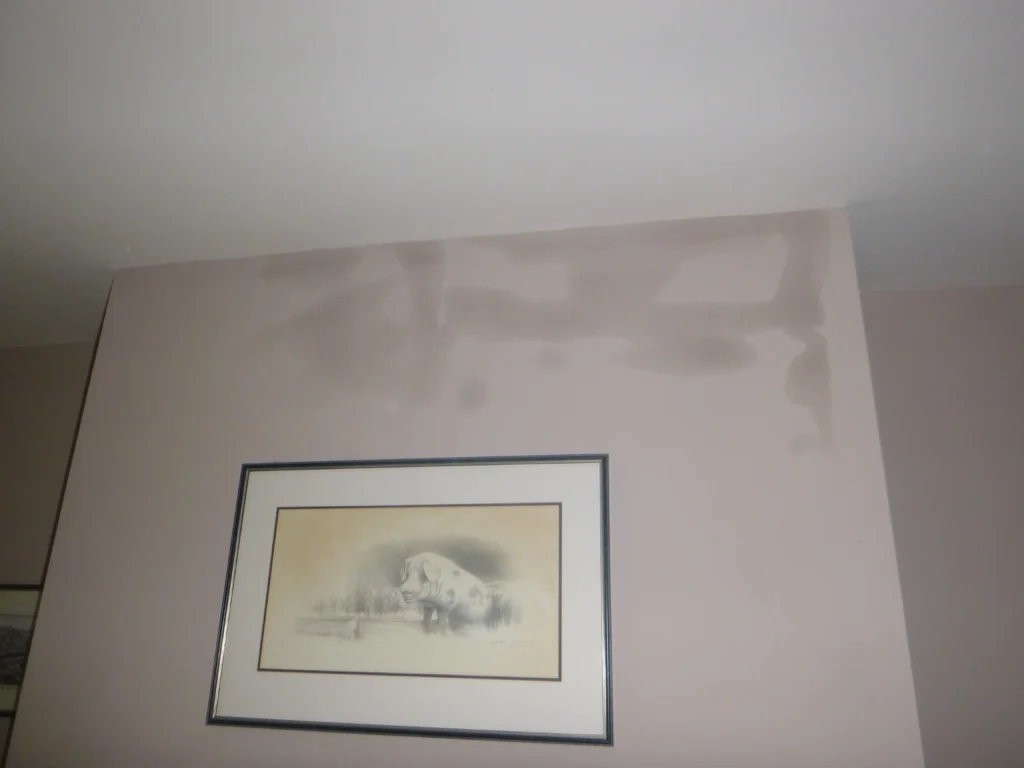
What Is Penetrating Damp?
Penetrating damp is water ingress from outside directly into walls, ceilings or floors.
It happens when rainwater or driven wind-blown moisture passes through defects in the building envelope — for example, cracked brickwork, missing or damaged pointing, broken roof tiles, leaking flashings, or failed mortar.
You get localised damp that corresponds to the point of entry rather than rising evenly from ground level.
Key characteristics:
- Localised stains, often on the side of the building facing prevailing winds.
- Occurs at higher levels as well as ground floor if roof or upstands fail.
- May be steady during wet weather and appear to dry out in prolonged dry spells.
Signs and Symptoms
Look for visible, measurable signs rather than guessing the cause.
Common symptoms include dark, irregular damp patches on internal plaster or masonry; flaking, blistering or powdery plaster and paint; and black mould growth in the affected area.
You might also notice a musty smell, increased humidity in a room after rain, or salt deposits (white efflorescence) on exposed masonry.
Practical checks:
- Inspect external walls, mortar joints and around window and door frames for cracks and gaps.
- Check roof coverings, gutters, downpipes and flashings for blockages or damage.
- Note whether damp appears after rain and whether it tracks from a specific external defect.
Differences Between Penetrating and Rising Damp
Penetrating damp enters from outside at the point of failure; rising damp moves upward from ground moisture through capillary action.
Rising damp usually produces a characteristic tide mark across lower skirting heights (typically up to 1.2m), and often leaves salt contamination along baseboards. Penetrating damp appears where water can breach the fabric — higher walls, around openings or at roof intersections.
Quick diagnostic pointers:
- Location: penetrating = localised, any height; rising = across lower wall areas.
- Trigger: penetrating = wet weather or active leak; rising = persistent damp regardless of rain.
- Repair focus: penetrating = external fabric repairs and drainage; rising = damp-proof course or specialist remediation.
Causes and Effective Solutions for Penetrating Damp
You will learn the typical ways water enters a building and the practical repairs that stop it. Focus on visible faults, material failures and stepwise fixes you can commission or do yourself safely.
Common External Causes
Gutters and downpipes that are blocked, broken or misaligned are a frequent source of water running down walls and entering mortar joints. Replace cracked runs, clear debris and ensure downpipes discharge away from the wall and foundations.
Roof defects such as slipped or missing tiles, failed lead flashings and damaged chimney stacks let rain into ceilings and wall cavities. Inspect after storms; replace broken tiles, re-bed ridge tiles and renew flashings with correct detailing.
Damaged render, failing pointing or external wall cracks allow driving rain to penetrate masonry. Repoint or apply a suitable breathable render, and seal hairline cracks with a flexible, weatherproof filler designed for masonry.
Faulty windows, sill joints and door thresholds create local leaks. Renew perished sealant, reinstall or pack loose sills, and fit through‑seal solutions where necessary.
Structural Defects and Building Materials
Porous or inappropriate materials increase water ingress risk, especially soft lime mortar or reclaimed brick with open joints. Use compatible repair materials — lime mortars for older buildings and breathable paints for solid walls.
Cavity wall faults such as bridged cavities, blocked weep holes or compromised cavity trays let water cross to the inner leaf. Remove bridging material, clear weep holes and fit/repair cavity trays and flashings at roof abutments and window cills.
Poorly detailed extensions and abutments commonly cause leaks. Check that step flashings and fall to new roofs are correctly installed and that movement joints exist between new and existing fabric.
Corrosion or failure of damp‑proof courses (DPC) and tanking systems can permit lateral water entry. Identify the failed element and repair or replace the DPC using appropriate chemical injection or physical measures after professional survey.
How to Fix Penetrating Damp Step by Step
Start with a full survey to identify the leak path: inspect roof, gutters, external walls, windows and internal plaster for localisation. Use moisture meters and thermal imaging where needed to map damp areas.
Fix external defects first (gutters, roof, pointing, flashings). This removes the source of water and prevents recurring rework. Keep records and photographs to confirm repairs.
Allow affected internal fabric to dry naturally or with controlled dehumidification before replastering. Remove damaged plaster back to a sound substrate; use salt‑retardant plaster where crystallisation has occurred.
Replaster with breathable materials compatible with the wall type — lime plaster for solid walls, gypsum for dry, internal areas. Repaint with vapour‑permeable paint and avoid impermeable cement or modern polymer renders on historic masonry.
Commission a specialist where the source is unclear, the property is listed, or where structural repairs (flashings, cavity trays, DPC) are required. Ensure contractors provide guarantees and follow British Standards for damp and roofing work.
Best Practices for Preventing Future Issues
Keep gutters and downpipes clear and inspect them twice yearly, plus after heavy storms. Fit gutter guards only if they’re maintained, as blocked guards still cause overflows.
Schedule roof inspections every 3–5 years and replace perished flashings proactively. Use quality lead or lead‑free alternatives to current standards and ensure installers are competent.
Maintain pointing and external render; repoint soft mortar with compatible mixes and inspect for hairline cracks annually. Treat vegetation near walls to prevent root or moisture trapping against masonry.
Ensure good ventilation and controlled heating internally to avoid condensation that can mask penetrating damp. Record maintenance, set reminders for checks and act promptly on minor defects before they escalate.
Frequently Asked Questions
You will find clear, actionable answers about how to spot penetrating damp, how it differs from other damp types, the main external causes, the risks to structure, prevention steps you can take, and specialist approaches for older buildings.
What are the typical indicators of penetrating damp in a building?
Look for localized damp patches on walls or ceilings that appear after rain and do not follow a clear vertical rise. You may see peeling or bubbled paint, crumbling or soft plaster, and dark staining that feels damp to the touch.
Check for salt deposits (white powder) on plaster or masonry and increased mould growth in the affected area. Damp smells or cold spots on the wall surface are also common signs.
How does penetrating damp differ from rising damp?
Penetrating damp occurs when water enters through external fabric such as faulty gutters, broken roof tiles, or damaged brickwork and moves horizontally or downwards. It is usually localised to the area of the breach and often linked to weather events.
Rising damp is driven from the ground upwards through porous materials and typically affects the lower 1–1.5 metres of internal walls. Rising damp shows a tideline and salt deposits near floor level, whereas penetrating damp appears wherever water can get in.
Which external factors contribute most significantly to penetrating damp?
Faulty or blocked gutters and downpipes, cracked or missing roof tiles, and damaged flashing around chimneys and roof penetrations are frequent causes. Poorly maintained pointing, cracked render, and damaged window or door surrounds let rainwater reach the masonry.
Ground-level splashback from poor drainage, ineffective cavity trays, and persistent severe weather can exacerbate problems. Nearby vegetation or ground levels raised against the external wall also increase risk.
Can the presence of penetrating damp lead to structural issues over time?
Yes. Ongoing water ingress can weaken plaster, timber and internal finishes and promote rot in roof timbers and floor joists. Repeated wetting and drying cycles can deteriorate mortar and brick, reducing their load-bearing capacity if left untreated.
Mould growth can damage internal finishes and harm occupant health, and untreated rot in structural timbers may require major repair or replacement. Early repair of the source minimises long‑term risk.
What preventative measures can homeowners take against penetrating damp?
Keep gutters, downpipes and drainage clear and intact, and inspect them twice a year. Replace damaged roof tiles, repair flashing, and renew cracked pointing or render promptly.
Ensure external ground levels slope away from walls and install or maintain cavity trays and damp-proof courses where appropriate. Trim vegetation away from walls and conduct routine inspections after storms.
What are the best practices for rectifying penetrating damp in historic properties?
Start with a thorough survey by a conservation-accredited surveyor to identify the exact entry points and assess materials. Use repair techniques and materials compatible with traditional construction—lime mortar and breathable lime plaster instead of impermeable cement renders.
Avoid modern tanking or impermeable coatings that trap moisture; instead, fix the source (roofing, gutters, flashing), improve ventilation, and allow fabric to breathe. Document interventions and, where necessary, seek listed-building consent before major works.
